Categories
Blog

Ready-to-Stick Drug Labels: Generate and Print Medicine Labels in Seconds

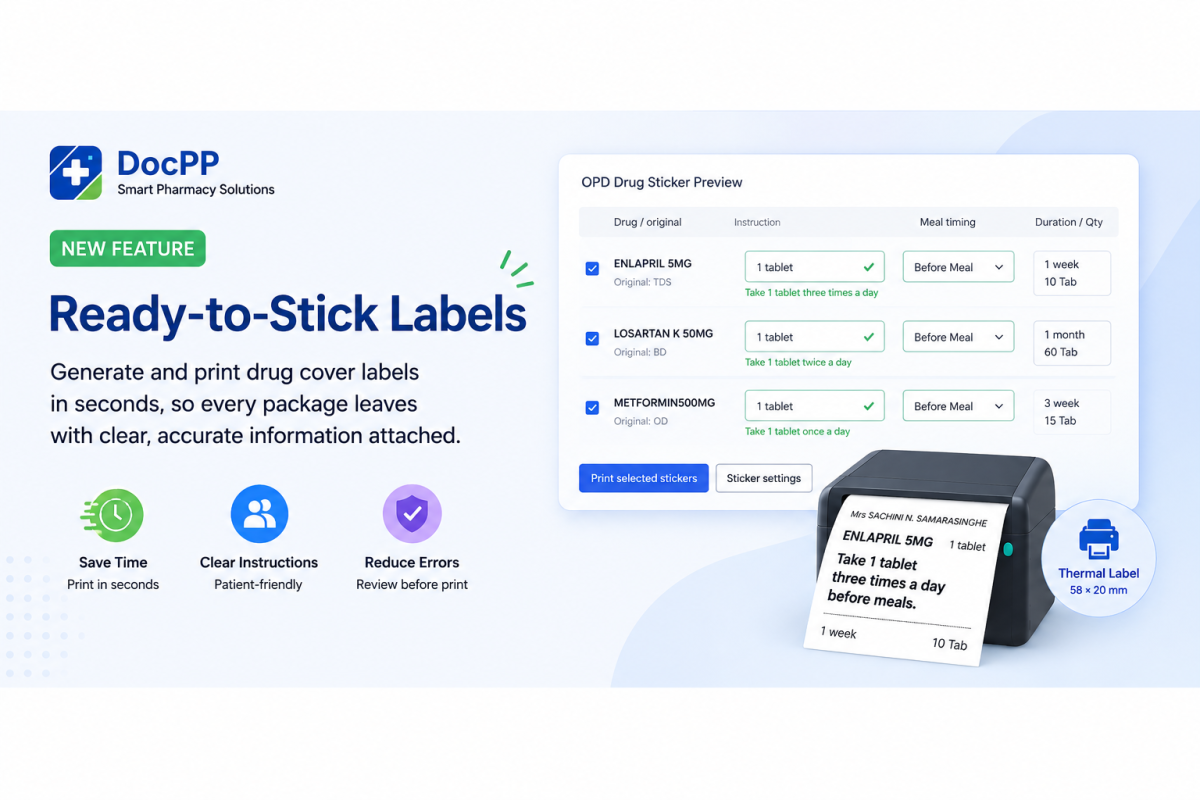
DocPP introduces Ready-to-Stick Labels, a fast and reliable pharmacy label printing solution that helps pharmacies generate, customize, and print clear drug cover labels, medicine stickers, and prescription labels within seconds.

Designed for modern pharmacy management, hospital pharmacy systems, OPD dispensing, and digital healthcare workflows, this new DocPP feature ensures every medicine package leaves the pharmacy with accurate, readable, and patient-friendly instructions attached.

Fast Prescription Label Printing

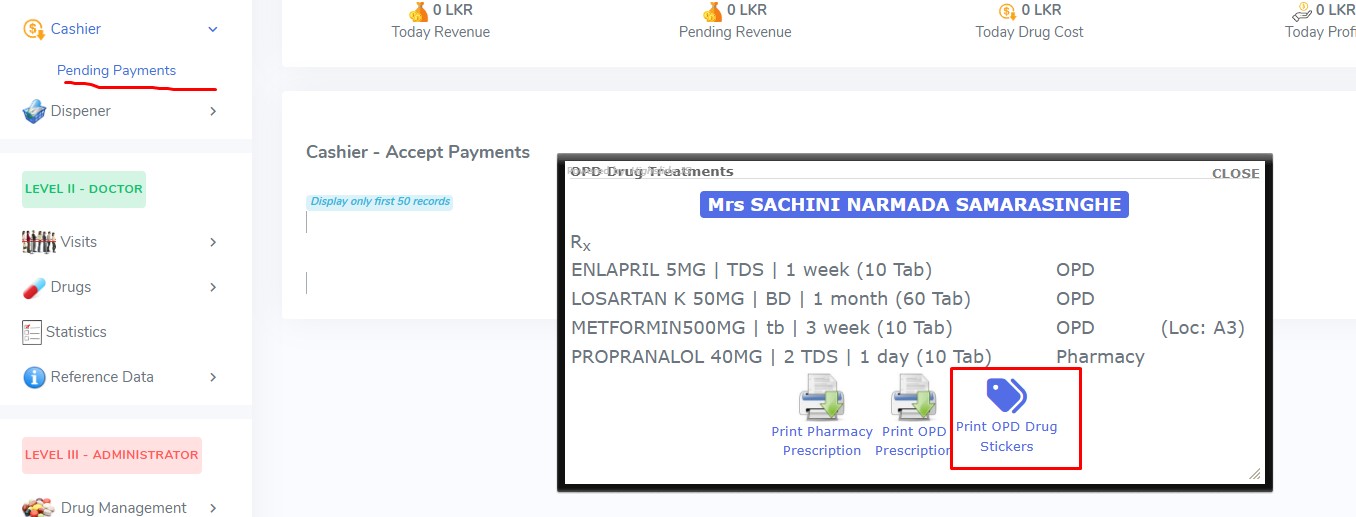
Using the Print OPD Drug Stickers option, pharmacy staff can select prescribed medicines and create ready-to-print labels directly from the patient’s prescription.

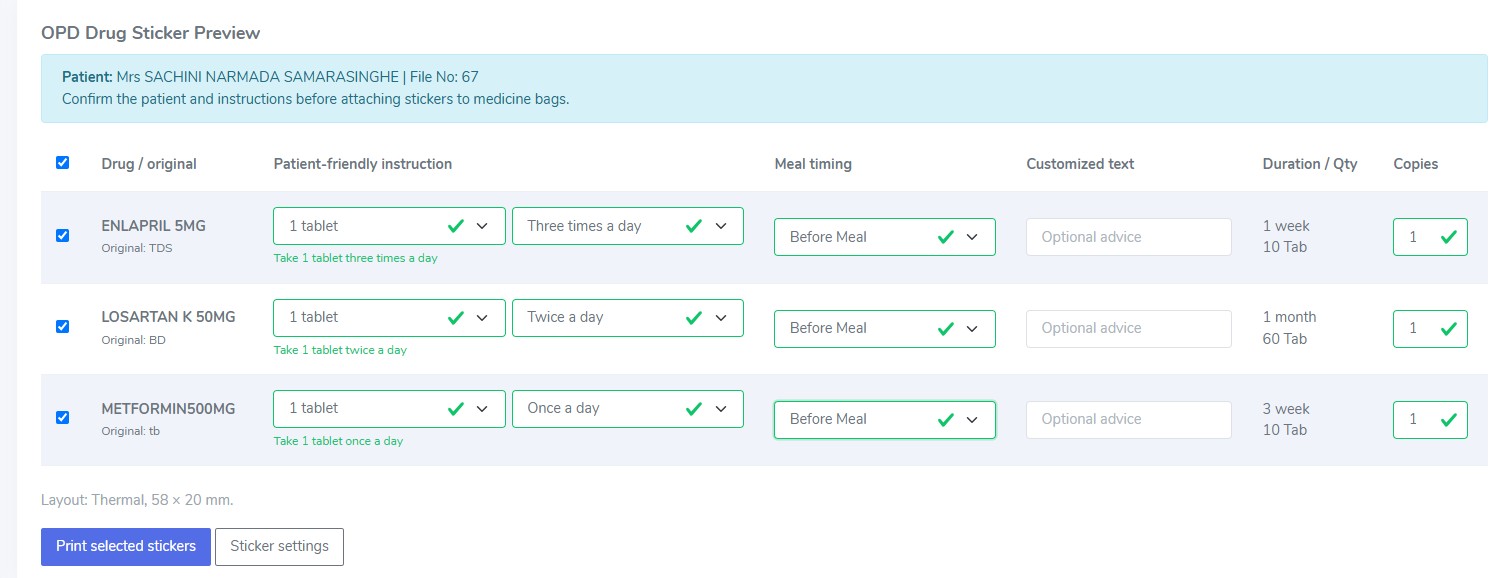
For each medicine, users can customize:

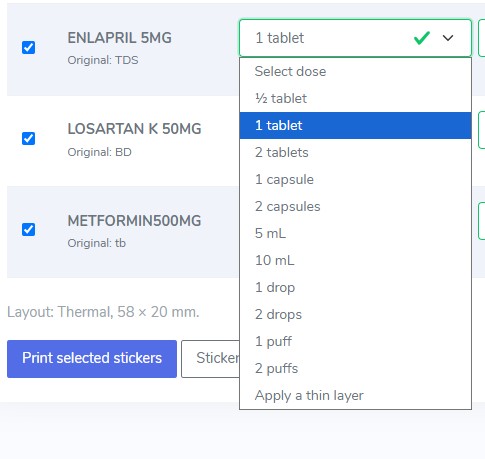
  • Dosage, such as tablets, capsules, drops, millilitres, puffs, or topical applications
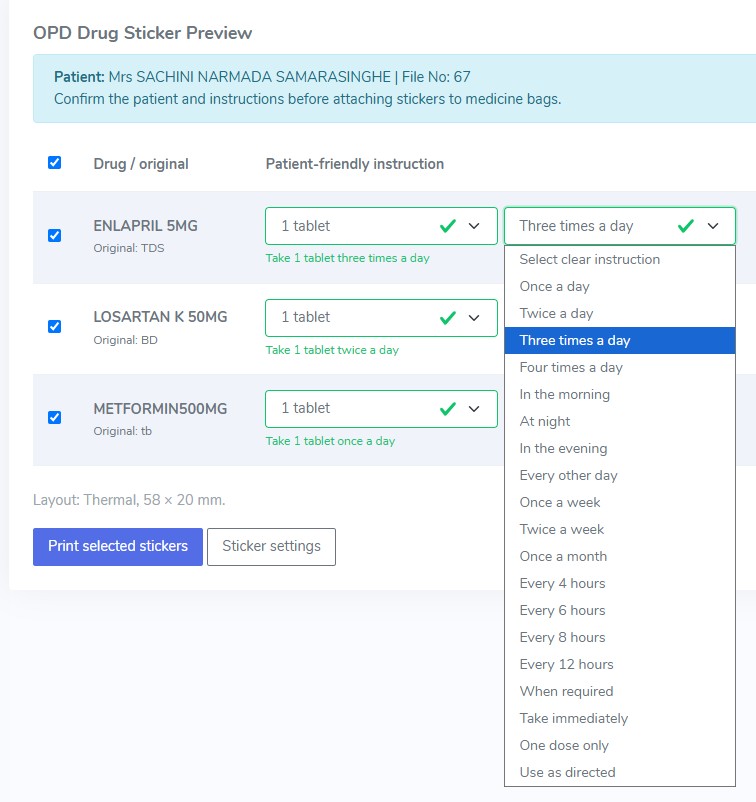
  • Medication frequency, including once daily, twice daily, three times daily, or when required
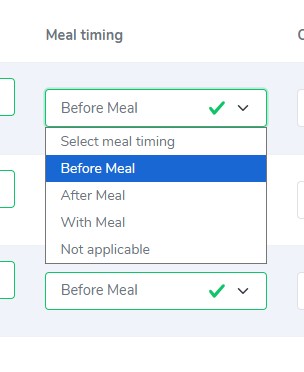
  • Meal timing, such as before meals, after meals, or with meals
  • Additional medicine instructions and customized advice
  • The number of label copies required

DocPP automatically converts prescription abbreviations into clear patient-friendly medication instructions, such as:

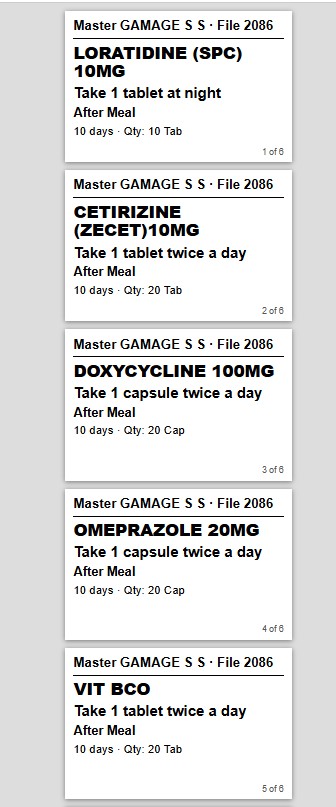
Take 1 tablet three times a day before meals.

Clear and Accurate Medicine Instructions

Clinical abbreviations such as OD, BD, and TDS can be difficult for patients to understand. DocPP’s drug labeling software transforms these abbreviations into simple instructions that clearly explain the correct dose, frequency, meal timing, treatment duration, and medicine quantity.

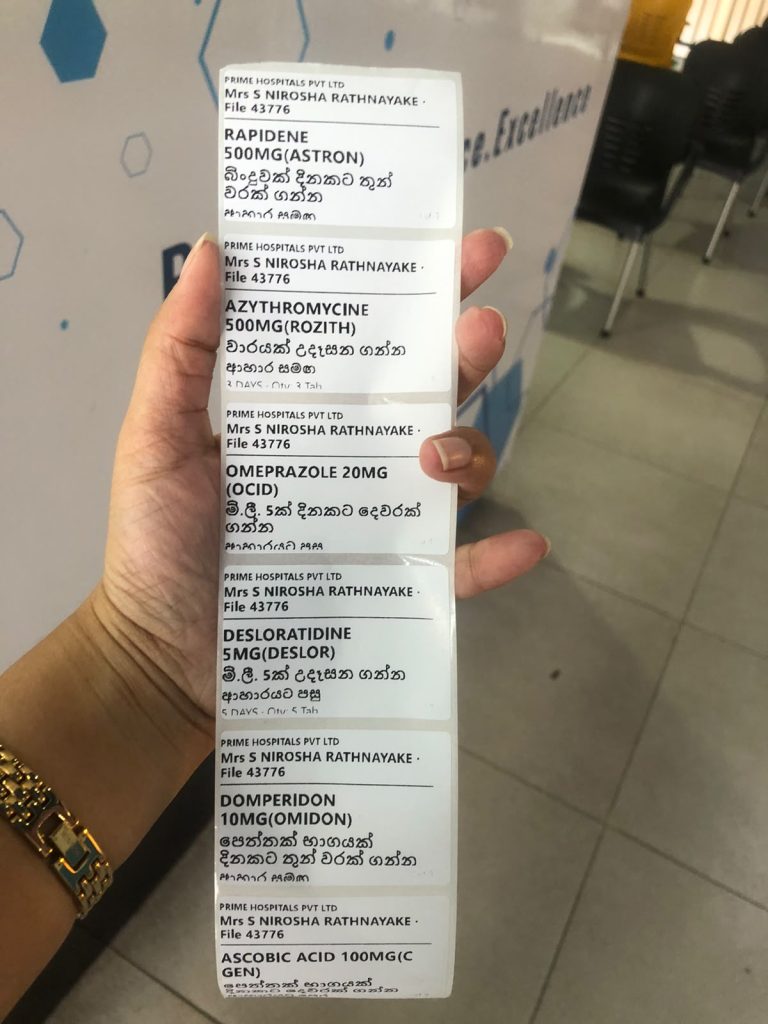
These printed medication labels help patients use their medicines correctly and provide a convenient reference attached directly to medicine packets, bottles, containers, covers, and dispensing bags.

Review Labels Before Printing

Before printing, pharmacy staff can verify the patient’s name, file number, prescribed medicine, original dosage, treatment duration, quantity, meal timing, and customized instructions.

This drug sticker preview helps improve dispensing accuracy, reduce labeling errors, and ensure the correct prescription label is attached to the correct medicine package.

Faster Pharmacy Dispensing

Ready-to-Stick Labels eliminate the need to write medicine instructions manually or prepare labels using separate software. Multiple drug labels can be reviewed, customized, selected, and printed from one screen.

The feature supports compact thermal label printing, including the 58 × 20 mm label format, making it suitable for pharmacies, hospitals, clinics, medical centres, and OPD dispensaries.

Benefits of DocPP Ready-to-Stick Labels

DocPP’s medicine label printing feature helps pharmacies:

  • Generate prescription drug labels in seconds
  • Print clear and professional medicine stickers
  • Improve patient medication understanding
  • Reduce handwritten medicine instructions
  • Minimize pharmacy dispensing errors
  • Standardize drug label formats
  • Add customized medication advice
  • Print multiple label copies easily
  • Improve pharmacy workflow efficiency
  • Support safer and faster medicine dispensing

Smarter Drug Label Printing with DocPP

With DocPP Ready-to-Stick Labels, pharmacies can move from digital prescription to a clearly labelled medicine package in just a few clicks.

The feature combines pharmacy software, prescription management, drug dispensing, medicine label generation, thermal sticker printing, and patient-friendly instructions in one convenient workflow.

Every medicine package can now leave the pharmacy with clear, accurate, and professional information attached—improving efficiency for pharmacy staff and creating a safer experience for patients.

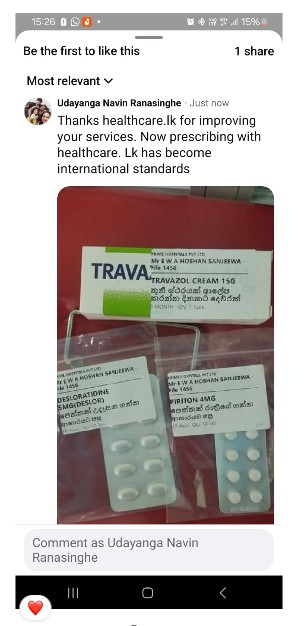
See some snaps

SEO keywords: DocPP, Ready-to-Stick Labels, drug cover labels, medicine labels, prescription labels, medication labels, drug stickers, OPD drug stickers, pharmacy label printing, pharmacy software, pharmacy management system, drug dispensing software, prescription management software, hospital pharmacy system, medicine sticker printing, thermal label printing, patient-friendly medicine instructions, medication dosage labels, prescription drug label printing, digital pharmacy solution.

Categories
Blog

Benefits of Cloud-Based Medical Software for Sri Lankan Specialists

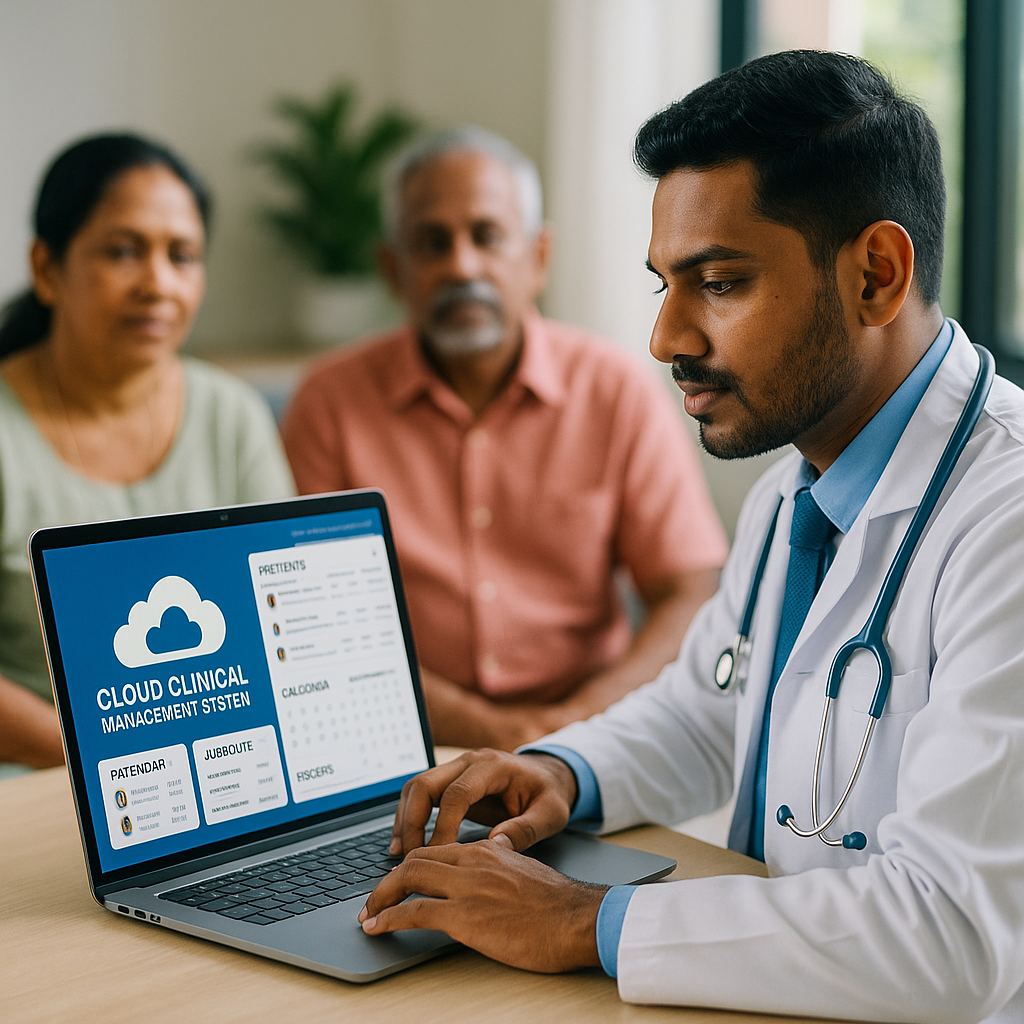
The healthcare landscape in Sri Lanka is evolving, with a growing emphasis on digitisation and enhanced patient care. Cloud-based medical software, specifically tailored for local specialists, is revolutionizing how medical practices operate. This article delves into the benefits of implementing a Cloud Clinical Management System, focusing on DocPP as a leading example geared towards Sri Lankan doctors and clinics.

The Rise of Cloud-Based Healthcare Software in Sri Lanka

The rise of cloud-based healthcare software has significantly transformed the operational landscape for Sri Lankan healthcare professionals. Adopting a Cloud Clinical Management System facilitates seamless access to patient records through electronic medical records (EMR) and electronic health records (EHR), enabling specialists and general practitioners to enhance patient care.

For instance, private clinics and medical centres can implement DocPP’s capabilities to streamline appointment scheduling, manage digital prescriptions, and oversee billing processes efficiently. This digitisation simplifies clinical documentation, making follow-up management more effective and reducing administrative burdens for healthcare providers.

The integration of healthcare analytics tools in such systems allows practitioners to analyse patient data trends, thus improving clinical decision-making. Sri Lankan doctors can leverage these insights to tailor care plans that are both efficient and patient-centric.

Furthermore, with the growing acceptance of telemedicine services, a robust cloud-based solution like DocPP can facilitate virtual consultations, maintaining continuity of care amid the ongoing digitisation initiatives backed by the Ministry of Health Sri Lanka. This not only enhances the workflow of specialists but also ensures patients receive timely access to healthcare services.

As the importance of digital transformation increases, embracing cloud-based medical practice management tools is no longer optional but essential for Sri Lankan healthcare providers aiming to thrive in a rapidly evolving landscape. Adopting such solutions positions practices to better serve the community while driving operational efficiencies.

What is a Cloud Clinical Management System?

A Cloud Clinical Management System, like DocPP, serves as a vital tool for Sri Lankan specialists, streamlining operations by centralising patient records, scheduling, and billing within a singular digital framework. This integration enhances workflow efficiency, crucial for private practices and clinics facing increasing patient demands.

For doctors in Sri Lanka, transitioning to electronic medical records (EMR) and electronic health records (EHR) fosters improved patient management, allowing for quick access to clinical documentation and digital prescriptions. Facilities benefit by minimising administrative errors and optimising resource allocation, which is critical amidst healthcare digitisation initiatives endorsed by the Ministry of Health Sri Lanka.

Moreover, with telemedicine becoming increasingly relevant, a cloud-based system supports remote consultations, broadening access to specialised care across urban and rural areas. This adaptability ensures that clinical operations remain consistent and uninterrupted, maximising patient engagement and adherence to follow-up care protocols. Additionally, leveraging healthcare analytics through such systems enables practices to analyse patient outcomes and overall practice performance, ultimately elevating standards of care in Sri Lanka’s evolving healthcare landscape.

Why Specialists Need Specialist Practice Software

In Sri Lanka, specialists increasingly require tailored practice management software to streamline their operations. Specialist practice software, such as the DocPP Clinical Management System, centralises patient records, enhances appointment scheduling, and supports digital prescriptions, tailored for local healthcare workflows.

This approach fosters efficient management of medical documentation, billing processes, and telemedicine interactions, crucial for specialists across various fields like cardiology or orthopaedics. By integrating healthcare analytics, physicians can gain insights into patient care trends, improving follow-up management and treatment protocols.

Moreover, embracing a cloud-based framework ensures that Sri Lankan doctors remain compliant with guidelines established by the Sri Lanka Medical Council and the Ministry of Health Sri Lanka, thereby optimising overall digital transformation in clinics and healthcare organisations.

Enhancing Patient Engagement with Digital Tools

Enhancing patient engagement is pivotal for improving health outcomes, especially within the Sri Lankan healthcare landscape. With tools like an Electronic Medical Record (EMR) integrated into a Clinical Management System, specialists can easily access up-to-date patient records, fostering trust and communication.

Implementing features such as appointment scheduling and digital prescriptions through platforms like DocPP allows patients to manage their healthcare more actively. This not only simplifies the clinic experience but also encourages adherence to treatment plans, critical in Sri Lanka’s diverse healthcare environment.

Follow-up management tools enhance proactive care, enabling specialists to reach out and address patient concerns promptly. Moreover, telemedicine capabilities bridge geographical gaps, allowing urban and rural patients alike to receive care, particularly in regions where access to specialists is limited.

Utilising healthcare analytics within systems like DocPP can provide insights into patient demographics and outcomes, enabling a tailored approach to care. By understanding patient behaviours, Sri Lankan doctors can engage effectively, supporting better health literacy and encouraging preventive measures.

Furthermore, integrating billing and insurance verification streamlines clinic operations, reducing patient stress regarding financial matters and improving overall satisfaction. This holistic engagement fosters a more patient-centric approach, aligning with the Sri Lankan Ministry of Health’s initiatives to digitise healthcare processes effectively.

Optimising Clinical Workflows with DocPP

DocPP streamlines clinical workflows for Sri Lankan doctors by integrating key functionalities within a cohesive Clinical Management System. By employing electronic medical records (EMR) and electronic health records (EHR), specialists can efficiently manage patient records, allowing for quick access during consultations and enhancing patient interaction.

Appointment scheduling within DocPP maximises clinic efficiency, helping specialists adhere to schedules and reduce patient wait times. Digital prescriptions not only simplify the medication ordering process but also minimise errors, showcasing a commitment to patient safety that resonates well with Sri Lanka’s healthcare standards.

Furthermore, implementing billing and telemedicine features within DocPP facilitates a smoother revenue cycle, ultimately supporting private practice management. Doctors can engage with follow-up management effectively, ensuring continuity of care while leveraging healthcare analytics to optimise treatment plans, thus improving patient outcomes.

In an era where digitisation is paramount, tools like DocPP position healthcare organisations in Sri Lanka to elevate operational efficacy while aligning with initiatives set forth by the Ministry of Health. The software supports seamless communication between private healthcare providers, laboratories, and diagnostic centres, fostering a collaborative healthcare environment.

Ultimately, optimising clinical workflows with DocPP represents a step towards modernising healthcare practices in Sri Lanka, encouraging a transition from conventional methods to a more efficient, patient-centric digital approach. Such advancements not only streamline processes but also align with the broader goals of healthcare digitisation initiatives across the nation.

Healthcare Compliance and Data Security

In the realm of Sri Lankan healthcare, compliance with regulations and safeguarding patient information is paramount. Cloud-based systems, such as DocPP, enhance data security while ensuring adherence to guidelines set forth by the Ministry of Health Sri Lanka and the Sri Lanka Medical Council.

The integration of Electronic Medical Records (EMR) and Electronic Health Records (EHR) within a reliable Clinical Management System facilitates meticulous tracking of patient records. This approach not only streamlines appointment scheduling and billing processes but also supports digital prescriptions and telemedicine initiatives, crucial for modern healthcare delivery.

Moreover, the ability to maintain comprehensive clinical documentation ensures that patient follow-ups are managed effectively, thereby improving care outcomes. Adopting such healthcare software leads to enhanced practice management, allowing specialists and clinics to focus more on patient care rather than administrative hurdles.

Staying updated with healthcare analytics further aids in compliance, allowing practices to monitor performance against regulatory standards. Therefore, embracing cloud-based solutions enhances not just operational efficiency but strengthens the overall healthcare framework in Sri Lanka, benefiting both practitioners and patients alike.

The Role of Healthcare Analytics in Improving Practice Management

The integration of healthcare analytics within a cloud-based Clinical Management System like DocPP offers tangible benefits for Sri Lankan specialists. By utilising data-driven insights, these tools enhance practice management, enabling doctors to analyse patient trends, streamline workflows, and improve their decision-making. This is particularly relevant in Sri Lanka’s diverse healthcare environment, where effective resource management can directly impact patient care.

For instance, analytics can identify peak appointment times, allowing clinics to optimise scheduling and reduce patient wait times. This information also aids in proactive follow-up management, where reminders for check-ups or medication refills can enhance patient adherence to treatment plans, ultimately leading to better health outcomes.

Moreover, integrating analytics with Electronic Medical Records (EMR) systems empowers practitioners to evaluate treatment effectiveness and patient outcomes, making necessary adjustments in real-time. This promotes an evidence-based approach to clinical decision-making, which is essential for maintaining compliance with standards set by the Ministry of Health Sri Lanka and the Sri Lanka Medical Council.

Additionally, healthcare analytics supports financial management within medical practice operations. By analysing billing data, doctors can identify discrepancies, streamline revenue cycles, and enhance financial forecasting, which is crucial for sustainability in a competitive private healthcare landscape.

Incorporating analytics into practice not only assists individual practitioners but also enriches the overall healthcare landscape in Sri Lanka. As specialists engage in more data-centric capabilities, the collective insights can drive improvements across healthcare services, from policy shaping to operational enhancements, thus ushering a new era of healthcare digitisation.

Future Trends in Cloud-Based Medical Practice Management

In the evolving landscape of healthcare, a Cloud Clinical Management System emerges as essential for Sri Lankan specialists seeking greater efficiency. Such systems streamline patient management through integrated solutions like appointment scheduling, EMR, and EHR, allowing seamless documentation and access to patient records.

The adaptation of specialist practice software in private clinics helps reduce administrative burdens, enabling healthcare providers to focus on patient care. For instance, with tools supporting digital prescriptions and billing, Sri Lankan doctors can enhance the accuracy and speed of transactions. Telemedicine features further expand reach, allowing specialists to consult patients remotely, which is particularly beneficial in rural areas.

Focused on local needs, healthcare software solutions like DocPP foster organised clinic operations by facilitating follow-up management and clinical documentation. This enables better tracking of patient progress, thereby improving overall outcomes. Furthermore, integration with healthcare analytics promotes informed decision-making, contributing to optimised practice management.

Ultimately, as the Sri Lankan healthcare system embraces digitisation, transitioning to cloud-based solutions will be crucial. Such systems not only align with the Ministry of Health Sri Lanka’s objectives for healthcare modernisation but also enable clinics to adapt to the fast-paced changes in healthcare delivery. Continuously prioritising patient care while utilising technology will set the standard for future practice management in the country.

Conclusions

The integration of a Cloud Clinical Management System within Sri Lanka’s healthcare framework holds substantial promise for specialists, addressing unique operational challenges and enhancing patient care. By opting for tailored solutions like DocPP, healthcare providers can pave the way for efficient, compliant, and engaged medical practices.

Categories
Blog

Cloud vs On-Premise Medical Software: Which Is Better for Sri Lankan Clinics?

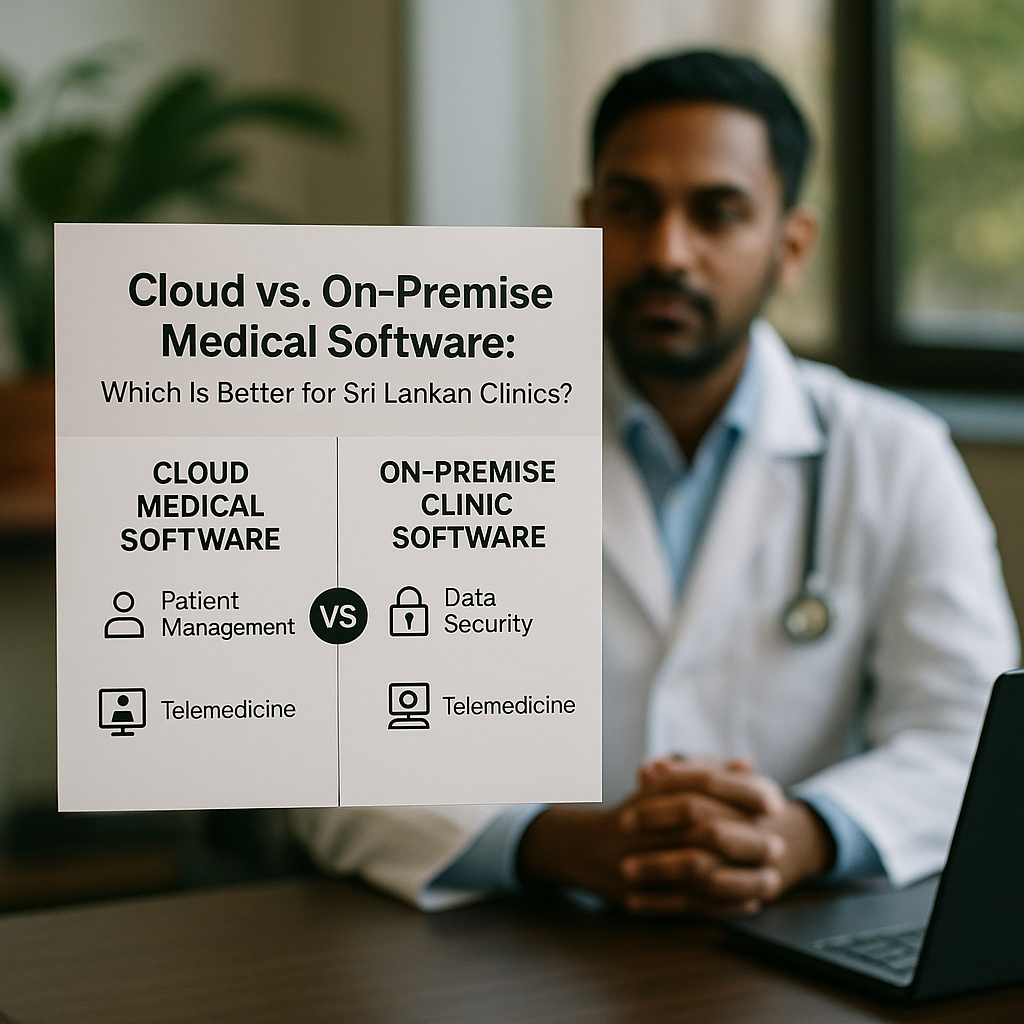
As the healthcare landscape in Sri Lanka continues to evolve, clinics face critical decisions regarding software solutions. This article delves into Cloud Medical Software and On-Premise Clinic Software, examining their implications for clinical management systems. With insights on healthcare technology, and an emphasis on platforms like DocPP, healthcare practitioners can make informed choices that enhance patient care and operational efficiency.

Understanding Cloud Medical Software in Sri Lanka

Cloud medical software has transformed the landscape of healthcare in Sri Lanka by facilitating streamlined operations in clinics and hospitals. A system like DocPP enhances patient management through its capabilities in electronic medical records (EMR) and appointment scheduling, enabling doctors to optimise their workflows. This aligns with the Ministry of Health’s initiatives to digitise healthcare services nationwide.

In a setting where access to patient records and prescriptions is critical, cloud-based solutions reduce the barriers associated with traditional methods. Healthcare professionals can securely access digital prescriptions and billing information from anywhere, which is especially beneficial for busy doctors in private practice. By incorporating telemedicine features, DocPP also supports remote consultations, addressing the increasing demand for accessible healthcare.

Moreover, cloud medical software contributes to improved clinical documentation and follow-up management, essential elements in maintaining high-quality patient care. Sri Lankan medical centres can leverage healthcare analytics provided by systems like DocPP to monitor patient outcomes and enhance operational efficiency. This data-driven approach aligns with the evolving healthcare digitisation landscape within the country, promoting best practices among specialists and general practitioners alike.

Using a system such as DocPP allows healthcare organisations to focus more on patient interaction rather than administrative burdens. Transitioning to a clinical management system within the cloud supports a culture of innovation and responsiveness, which is critical in meeting the dynamic needs of Sri Lankan healthcare providers and their patients. As clinics across the island seek to modernise, integrating cloud technology will be a strategic step towards delivering better health outcomes.

Exploring On-Premise Clinic Software

On-premise clinic software can be particularly beneficial for Sri Lankan healthcare facilities that require control over their data and operations. For instance, using a solution like DocPP, medical professionals can manage electronic medical records (EMR) effectively while complying with local regulations set by entities like the Ministry of Health Sri Lanka.

This software allows clinics to centralise patient records, ensuring quick access for specialists and general practitioners alike, which streamlines patient management. Appointments can be scheduled efficiently, and follow-up management is simplified, enhancing patient care quality.

Moreover, handling billing and digital prescriptions becomes more manageable, especially in a private practice setting. On-premise solutions provide stability in environments with inconsistent internet connectivity, a consideration relevant to many Sri Lankan clinics. Thus, while evaluating clinic operations, understanding the implications of on-premise versus cloud-based systems is crucial for healthcare digitisation in Sri Lanka.

Key Features of Clinical Management Systems

The key features of Clinical Management Systems (CMS) are particularly relevant for the evolving landscape of healthcare in Sri Lanka. Essential elements such as Electronic Medical Records (EMR) and Electronic Health Records (EHR) allow Sri Lankan doctors to manage patient data efficiently, thereby enhancing clinical workflows.

Moreover, streamlined appointment scheduling systems can reduce waiting times, improving patient throughput in busy clinics. Digital prescriptions facilitate easy medication management for both doctors and patients, while integrated billing systems lessen administrative burdens by automating invoicing and payment processing.

Patient management features enable healthcare providers to engage effectively with their patients, ensuring timely follow-ups and enhancing satisfaction through personalized care pathways. Healthcare analytics offer valuable insights into patient outcomes and operational performance, guiding strategic decisions in clinical practices.

For instance, a specialist in Colombo can utilize telemedicine through a CMS to reach patients in rural areas, expanding their service footprint and meeting the needs of a diverse patient population. Overall, adopting an advanced Clinical Management System tailored to the Sri Lankan context, like DocPP, can significantly aid private practice management, achieving operational excellence and fostering healthcare digitization.

Telemedicine: A Game-Changer for Sri Lankan Clinics

Telemedicine has emerged as a transformative force in the healthcare landscape of Sri Lanka, especially for clinics seeking to enhance patient engagement and streamline care. With DocPP Clinical Management System, practitioners can efficiently integrate telemedicine into their workflows, providing virtual consultations that cater to patient needs without the constraints of distance.

In the context of Sri Lanka’s evolving healthcare system, telemedicine facilitates improved access to specialists, particularly in rural areas where healthcare facilities may be limited. By utilising features such as appointment scheduling, digital prescriptions, and secure messaging, clinics can maintain continuity of care while effectively managing patient records and follow-up appointments.

Moreover, the adoption of telemedicine aligns with initiatives set forth by the Ministry of Health Sri Lanka to enhance healthcare digitisation. For instance, clinics can utilize DocPP’s comprehensive patient management tools to ensure that all clinical documentation and billing processes are seamlessly integrated with telemedicine services, thus providing a complete view of patient care.

In practical terms, Sri Lankan doctors can leverage telemedicine to address the needs of patients who may have mobility issues or those who prefer consultations from the comfort of their homes. By incorporating healthcare analytics in DocPP, practitioners can also gather insights from telemedicine interactions, helping to refine treatment plans and improve overall patient outcomes.

As telemedicine continues to gain traction in Sri Lankan clinics, ensuring the security and confidentiality of patient information is paramount. A robust Clinical Management System, like DocPP, can offer essential safeguards and maintain compliance with regulations set by entities like the Sri Lanka Medical Council.

In conclusion, the integration of telemedicine through effective clinical management systems not only enhances practice management but also aligns with the broader goals of improving healthcare delivery across Sri Lanka. This strategic adoption positions clinics to better serve their patients while navigating the complexities of modern healthcare demands.

Healthcare Technology Trends in Sri Lanka

Healthcare technology trends in Sri Lanka are increasingly shifting towards digital solutions like clinical management systems that cater to local needs. For Sri Lankan doctors and clinics, adopting cloud medical software simplifies tasks like patient record management, appointment scheduling, and digital prescriptions, thus enhancing operational efficiency. As private healthcare providers embrace healthcare digitisation, platforms such as DocPP are designed to align with local workflows, improving follow-up management and clinical documentation. This alignment allows healthcare professionals to offer better patient care while maintaining compliance with regulations set by the Ministry of Health Sri Lanka and the Sri Lanka Medical Council. The movement towards seamless healthcare analytics and practice management fosters a more integrated healthcare approach, ensuring that healthcare organisations can respond more swiftly to patient demands. By leveraging such solutions, clinics can streamline operations, ultimately promoting accessibility and improving the overall quality of healthcare services in Sri Lanka.

Compliance and Data Security in Healthcare Software

Compliance and data security are critical concerns for Sri Lankan healthcare providers. As clinics adopt digital practices, integrating Electronic Medical Records (EMR) and Electronic Health Records (EHR) systems like DocPP becomes essential. With rigorous guidelines from the Ministry of Health Sri Lanka and the Sri Lanka Medical Council, safeguarding patient records through stringent data protection measures is paramount.

For clinics managing sensitive patient information, particularly in private practice settings, ensuring robust encryption and secure access protocols is vital. Under local regulations, healthcare organisations must implement comprehensive data management policies that address both compliance and operational workflows.

DocPP, designed for Sri Lankan doctors, exemplifies a Clinical Management System that streamlines patient management while maintaining strict data security standards. Features such as appointment scheduling and digital prescriptions must comply with local laws to protect patient confidentiality and trust.

With increasing investment in healthcare digitisation initiatives, healthcare analytics is integral to understanding patient needs and operational efficiency. Consequently, Sri Lankan clinics must prioritise training and integration of secure technologies within their practice management systems to address compliance effectively.

The application of telemedicine and clinical documentation through secure channels enhances patient follow-up management, but requires adherence to data protection regulations. Therefore, healthcare organisations should regularly review and upgrade their security protocols to remain compliant with evolving healthcare standards.

In summary, the adoption of cloud and on-premise solutions in Sri Lanka hinges on a careful balance between operational needs and adherence to data security regulations, ensuring the sustainability of healthcare practices in the digital age.

Cost Considerations: Cloud vs On-Premise

When deciding between cloud and on-premise medical software, cost considerations play a crucial role in the decision-making process for Sri Lankan clinics. Cloud solutions often have lower initial costs, as they typically involve subscription models that eliminate hefty upfront investments in hardware and infrastructure. This can be especially beneficial for small private practices and emerging healthcare organisations looking to manage their budgets effectively.

In contrast, on-premise clinic software requires significant capital expenditure for servers, maintenance, and IT support. For instance, clinics needing an Electronic Medical Record (EMR) system may find the costs of hardware purchases and software licenses prohibitive, particularly in the context of ongoing financial pressures faced by many healthcare providers in Sri Lanka.

Further, cloud-based systems like DocPP allow for ongoing updates and improvements without the need for costly software upgrades. Clinics can also save on operational costs by reducing the need for extensive IT staff, as the responsibility for system maintenance is often shifted to the provider. This adaptability enhances operational efficiency, which is vital given the rapidly evolving nature of healthcare technology.

Additionally, adopting a cloud solution can streamline patient management and billing processes, facilitating methods such as digital prescriptions and appointment scheduling, which can ultimately lead to improved patient satisfaction and retention. For doctors managing busy schedules in Sri Lankan medical centres or private clinics, the efficiency afforded by cloud infrastructures can be transformative.

Healthcare analytics offered by cloud systems enhances decision-making, empowering clinics to identify trends and improve service delivery. While both options have their merits, evaluating the total cost of ownership and operational implications, as well as aligning with local healthcare digitisation initiatives, is critical in making informed choices. Ultimately, the selection process must address both immediate financial considerations and longer-term strategic goals for organisational growth and patient care enhancement.

Conclusions

Choosing between Cloud and On-Premise Medical Software requires a careful evaluation of the specific needs of Sri Lankan clinics. Factors such as operational efficiency, data security, and budget constraints play crucial roles in the decision-making process. Ultimately, embracing the right Clinical Management System, whether Cloud-based or On-Premise, can significantly improve patient care and clinic effectiveness.

Categories
Blog

How to Reduce Patient Waiting Time with Digital Clinic Management

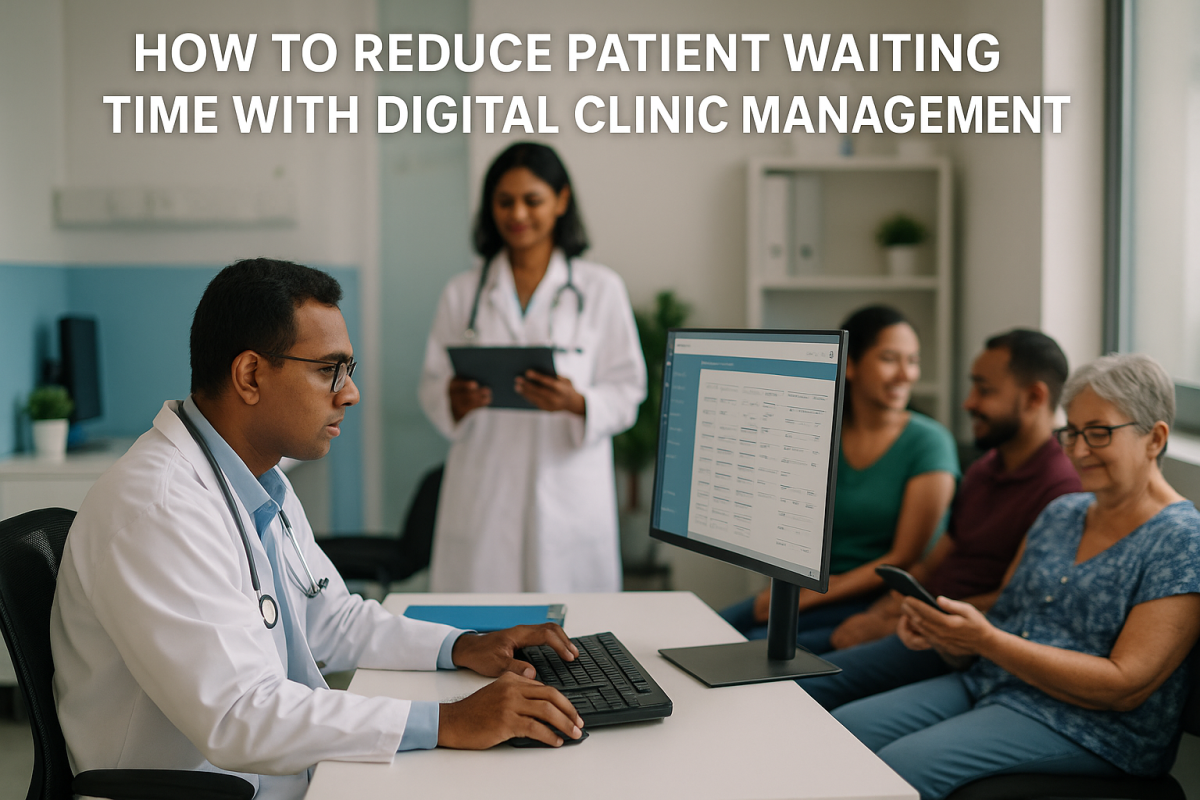
In the competitive landscape of healthcare in Sri Lanka, reducing patient waiting times is crucial for enhancing patient satisfaction and operational effectiveness. Digital Clinic Management Software, such as DocPP, offers innovative solutions for patient queue management, appointment scheduling, and comprehensive healthcare analytics, which are essential for modern healthcare providers aiming to improve their service delivery.

Understanding Patient Waiting Time

Understanding patient waiting time in Sri Lankan healthcare involves recognising the multifaceted causes that contribute to inefficiencies. Factors such as manual patient record management, cumbersome appointment scheduling processes, and limited queue oversight significantly affect waiting periods in private clinics and medical centres.

Improving patient queue management systems is vital for reducing wait times. By digitising workflows through advanced clinic management software, practitioners can automate appointment scheduling, ensuring that slots are optimally filled while minimising idle time. Tools integrated within systems like DocPP facilitate seamless communication between staff and enhance clinical documentation processes.

The digitisation of patient records via Electronic Medical Records (EMR) and Electronic Health Records (EHR) systems aids in streamlining patient care and documentation. In Sri Lankan practices, implementing an effective practice management tool can provide healthcare providers with timely insights into patient flow, enabling proactive decision-making.

Furthermore, adopting digital prescriptions reduces delays in medication issuance, allowing for a smoother transition from consultation to treatment. Integration with billing systems also enhances financial operations, ensuring that administrative tasks do not disproportionately consume healthcare provider time.

Utilising healthcare analytics equips doctors with essential data on patient trends, allowing for better resource allocation and operational efficiency. For example, specialists can identify peak hours in their clinics, helping to manage staff schedules effectively.

Ultimately, leveraging technology in healthcare operations not only improves patient experiences but also fosters a culture of efficiency among healthcare practitioners, contributing to overall enhancement in the quality of care delivered across Sri Lanka’s healthcare landscape.

The Role of Clinic Management Software

Clinic management software like DocPP plays a pivotal role in streamlining healthcare workflows for Sri Lankan doctors and clinics. By enhancing patient queue management and automating appointment scheduling, practices can significantly reduce patient waiting times and improve overall clinic efficiency.

Integrated features such as electronic medical records (EMR) and digital prescriptions minimise informational delays, ensuring that doctors have immediate access to patient data. This improves the quality of care and fosters better patient experiences, crucial for private clinics navigating increasing patient demands.

Private healthcare providers, including specialists and medical centres, can use such software to enhance practice management. Features like billing automation and clinical documentation support compliance with guidelines set by institutions like the Sri Lanka Medical Council, thus streamlining administrative tasks while highlighting the importance of healthcare digitisation.

Telemedicine capabilities offered by platforms such as DocPP also cater to the needs of modern patients, enabling remote consultations that can alleviate patient congestion at clinics. This is particularly relevant for rural areas of Sri Lanka, where access to specialist care may be limited.

Moreover, the analytics functionalities of such systems allow clinicians to track patient flow and identify bottlenecks. For instance, a medical centre using queue analytics may find that specific days are busier and can adjust staff schedules accordingly, optimising patient management.

In conclusion, adopting comprehensive clinic management software like DocPP not only reduces waiting times but supports the overall efficiency of private clinics and healthcare organisations in Sri Lanka. This alignment with digitisation initiatives leads to enhanced patient care—nurturing a healthcare experience that meets the evolving needs of the population.

Importance of Electronic Medical Records (EMR) and Electronic Health Records (EHR)

The adoption of Electronic Medical Records (EMR) and Electronic Health Records (EHR) is crucial in streamlining clinic operations in Sri Lanka. By converting patient records to digital formats, healthcare providers can access vital patient information instantly, improving clinical documentation. For example, a GP or specialist can quickly retrieve comprehensive medical histories during patient consultations, ensuring a more informed approach to care.

Moreover, effective patient queue management is significantly enhanced with EMR and EHR systems. Sri Lankan doctors can manage appointment scheduling and digital prescriptions through integrated functionalities, reducing wait times and enhancing patient satisfaction. With telemedicine capabilities, follow-up management becomes seamless, allowing healthcare professionals to consult with patients remotely, thus optimising resource utilisation in clinics.

Data analytics provided through these digital systems can empower healthcare administrators to analyse patient flow and operational efficiency, offering insights for continuous improvement. For private clinics, aligning with standardised healthcare practices set by entities like the Sri Lanka Medical Council ensures compliance and fosters trust in patient care. Ultimately, the incorporation of electronic records supports a digital transformation that aligns with the broader healthcare digitisation initiatives promoted by the Ministry of Health Sri Lanka.

Optimizing Appointment Scheduling

Optimizing appointment scheduling is crucial for reducing patient waiting time and enhancing clinic efficiency. In the Sri Lankan context, where healthcare facilities face varying demands, adopting comprehensive clinic management software can streamline the appointment process.

With tools like DocPP’s Clinical Management System, healthcare providers can automate scheduling to minimize overlaps and gaps, ensuring better time management. This is particularly relevant for private clinics and medical centres that often juggle multiple patients and complicated workflows.

Implementing effective patient queue management solutions can directly impact patient experience. For instance, utilizing digital platforms allows patients to receive notifications about their appointment status, reducing anxiety and improving satisfaction.

Furthermore, healthcare technology in Sri Lanka stands to benefit from enhanced data availability, allowing for precise tracking of scheduling patterns. This can lead to better resource allocation within clinics, ensuring that specialist consultations and general practice visits are optimally arranged.

By integrating appointment scheduling with EHR and clinical documentation features, healthcare providers can maintain accurate patient records. This interconnection not only aids in timely follow-up management but also supports efficient prescription processes and billing.

Ultimately, a well-optimized appointment system fosters a more productive clinic environment, permitting Sri Lankan doctors and healthcare workers to focus more on delivering quality patient care. Embracing technology as part of private practice management can yield significant benefits, providing insights into peak times and patient demographics while improving operational workflow across healthcare organisations.

Enhancing Patient Engagement

Enhancing patient engagement is crucial for modern healthcare delivery, particularly in Sri Lanka. By leveraging clinic management software, healthcare providers can significantly improve interaction levels. Digital tools allow patients to access their electronic health records (EHR), review appointment schedules, and receive timely reminders through mobile platforms.

Incorporating features of the DocPP Clinical Management System can streamline communication between doctors and patients, fostering a collaborative relationship. Simplified access to digital prescriptions and telemedicine capabilities further empower patients to manage their healthcare proactively, reducing anxiety and enhancing overall satisfaction.

Moreover, implementing a patient queue management system within clinics can help doctors manage waiting times effectively, keeping patients informed about their expected wait periods. Enhanced follow-up management tools enable timely communication, ensuring that patients feel valued and engaged in their care journey.

Healthcare analytics also play a vital role in understanding patient behaviour, preferences, and needs. By analysing patient data, clinics can tailor their services, offer targeted health education, and improve service delivery—further enhancing patient engagement and outcomes. This data-driven approach, rooted in the needs of the Sri Lankan healthcare context, can facilitate meaningful interactions between healthcare professionals and their patients.

Implementing Effective Medical Billing Solutions

Implementing effective medical billing solutions is crucial for improving patient flow and optimizing clinic operations. In the context of DocPP’s Clinical Management System, Sri Lankan healthcare providers can streamline billing processes by integrating billing functionalities within the overall patient management system. With features like automated billing and payment tracking, doctors can reduce administrative burdens, allowing them to focus more on patient care.

Healthcare entities in Sri Lanka, including private clinics and medical centres, can benefit significantly from digitised billing solutions. By automating the billing cycle—from order generation to payment collection—practitioners can ensure that billing discrepancies are minimized, enhancing patient satisfaction. Moreover, the interoperability of electronic medical records (EMR) and digital prescriptions means that billing can be processed faster, reducing the time patients spend waiting.

Training administrative staff to utilize DocPP’s user-friendly interface can further support effective billing practices. When combined with patient queue management and timely follow-up management, it fosters a seamless experience for both patients and providers. Incorporating digital billing solutions can be a transformative step towards achieving efficiency and improving the overall healthcare delivery narrative in Sri Lanka. Through innovative healthcare technology, clinics not only enhance financial performance but also contribute positively to the broader healthcare landscape.

Utilizing Healthcare Analytics

Utilising healthcare analytics is pivotal for improving patient care within Sri Lankan clinics. By systematically analysing patient data, healthcare providers can identify patterns that streamline processes like appointment scheduling and follow-up management. DocPP’s EMR capabilities allow clinics to assess patient flow, maximising time efficiency and reducing waiting periods.

For instance, by integrating patient queue management analytics, Sri Lankan doctors can identify peak consultation times and adjust staffing accordingly. Furthermore, leveraging healthcare analytics can enhance billing accuracy and reduce errors, contributing to robust private clinic software systems. This data-driven approach supports local healthcare entities, promoting informed decision-making and optimising clinical operations across the board.

Incorporating telemedicine solutions enriches patient experience by facilitating timely consultations, especially in urban areas where patients often face traffic delays. Moreover, DocPP’s analytics feature can provide insights into common patient demographics, enabling personalised communication and targeted health campaigns in collaboration with the Ministry of Health Sri Lanka and other private healthcare providers.

Facilitating a seamless exchange of data between laboratories, diagnostic centres, and clinics enhances clinical documentation accuracy, ultimately contributing to higher patient satisfaction. As Sri Lanka moves toward healthcare digitisation, embracing these analytical tools enables clinics to efficiently manage their practices while focusing on patient-centred care.

Ensuring Compliance and Data Security

In the context of Sri Lankan healthcare, adherence to data security regulations is paramount. Systems like DocPP, tailored for local doctors and clinics, facilitate compliance with the Sri Lanka Medical Council’s protocols while safeguarding patient records through robust encryption and access controls. This ensures secure management of electronic medical records (EMRs) and electronic health records (EHRs), which are vital to maintaining patient confidentiality.

By integrating patient queue management and appointment scheduling features, DocPP minimises the risk of patient data errors, bolstering compliance. Private clinic software must also align with the Ministry of Health Sri Lanka’s guidelines, ensuring that billing, digital prescriptions, and clinical documentation practices meet national standards and promote patient safety. Ongoing training in data management can enhance readiness in the face of technological advancements.

Furthermore, telemedicine functionalities within such systems contribute to data compliance by securely connecting doctors with patients. Understanding the regulatory landscape and implementing healthcare technology solutions fosters an environment where patient information is both accessible and protected, enhancing the overall healthcare experience in Sri Lanka while upholding stringent data security standards.

Future Trends in Healthcare Technology in Sri Lanka

The future of healthcare technology in Sri Lanka increasingly revolves around efficient digital solutions that can streamline clinical workflows. With the growing emphasis on patient-centric care, tools like Clinic Management Software have become vital in managing patient queues effectively and optimising appointment scheduling. The integration of Electronic Medical Records (EMR) and Electronic Health Records (EHR) in systems tailored for Sri Lankan doctors can facilitate quick access to comprehensive patient records, improving consultation efficacy.

Moreover, as the private healthcare sector expands, the importance of robust practice management software cannot be overstated. Solutions specifically designed for private clinics and specialists help manage clinical documentation and billing processes more efficiently. Leveraging healthcare analytics can deliver insights into patient flow and operational bottlenecks, allowing clinics to anticipate needs and enhance service delivery.

Adopting telemedicine capabilities within the digital clinic management framework is also becoming crucial. It enables health professionals to provide consultations remotely, diversify patient engagement, and reduce physical waiting times. Implementing such technologies aligns with the Ministry of Health Sri Lanka’s push for digital transformation, ensuring that local healthcare providers meet contemporary demands.

As the healthcare landscape continues to evolve, tools that support follow-up management will play a significant role in patient retention and satisfaction. With tailored software that caters specifically to the unique workflows of Sri Lankan healthcare, professionals can navigate the complexities of patient care more effectively, paving the way for improved health outcomes and operational efficiency.

Conclusions

In conclusion, implementing advanced Clinic Management Software is essential for Sri Lankan healthcare providers seeking to reduce patient waiting times. Technologies such as EMR, EHR, and telemedicine not only streamline operations but also enhance the overall patient experience. By leveraging these tools, clinics can effectively address the challenges of patient management and improve healthcare delivery.

Categories
Blog

The Urgent Need for Sri Lankan Doctors to Implement EMR Systems in Private Practices

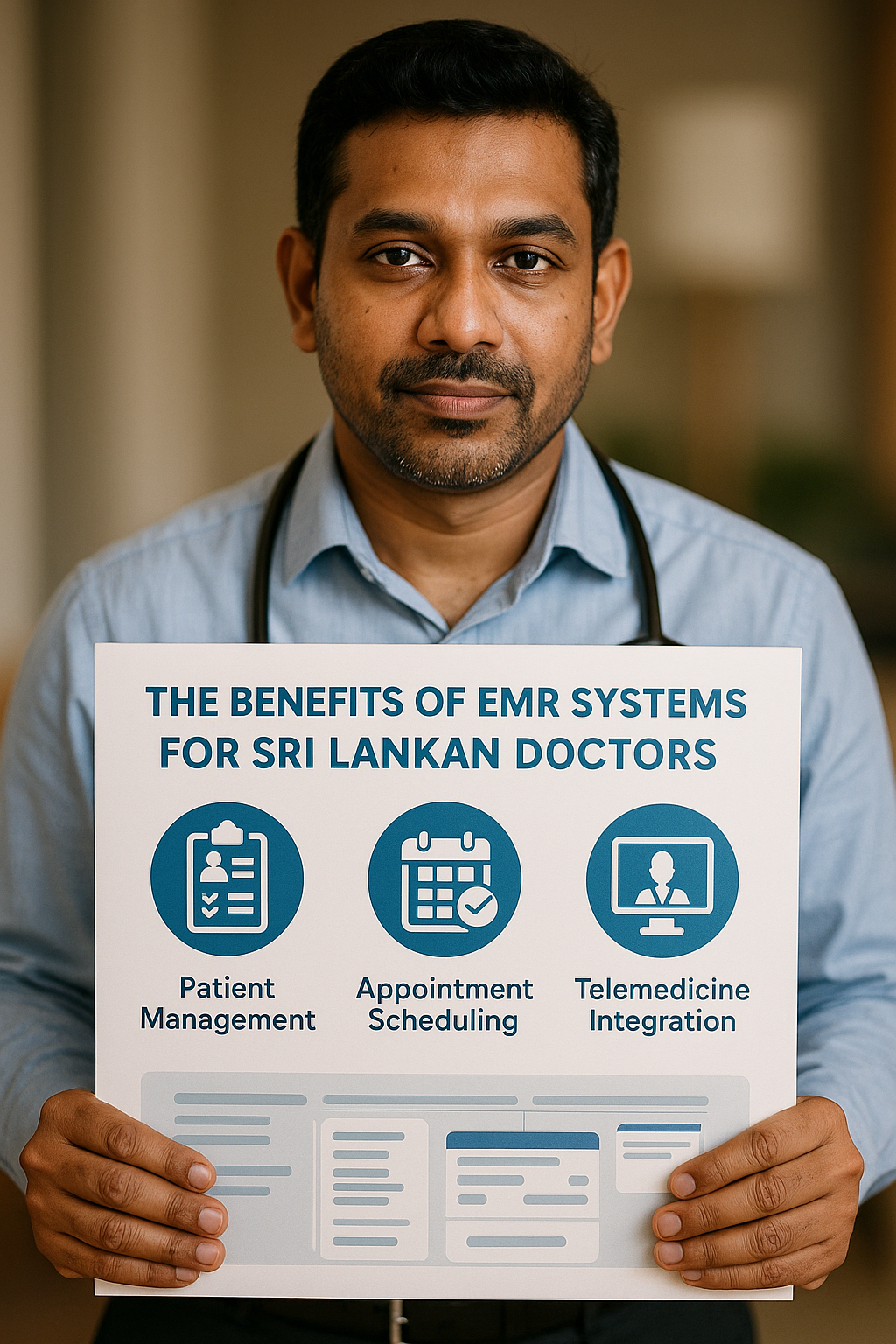
As healthcare digitisation accelerates globally, Sri Lankan doctors face immense pressure to modernise their private practices. The timely adoption of an Electronic Medical Records (EMR) system is critical for improving patient care, ensuring compliance, and enhancing operational efficiency. This article delves into the necessity, benefits, and implementation of a Clinical Management System, tailored specifically for Sri Lankan healthcare providers.

Understanding EMR and EHR: Foundations of Modern Healthcare

Understanding EMR (Electronic Medical Records) and EHR (Electronic Health Records) is fundamental for Sri Lankan healthcare providers aiming to optimise patient care. These digital systems facilitate efficient clinical documentation and patient record-keeping, streamlining workflows in private practices and clinics. By digitising patient records, doctors can ensure accuracy and accessibility, crucial for effective healthcare delivery.

The integration of cloud-based systems, such as DocPP, supports Sri Lankan doctors in managing appointments, telemedicine consultations, and digital prescriptions. These capabilities enhance patient management processes, allowing for seamless communication between healthcare professionals, laboratories, and diagnostic centres. Efficient follow-up management becomes achievable, fostering improved patient outcomes.

As part of healthcare digitisation initiatives led by the Ministry of Health Sri Lanka, adopting EMR and EHR systems can significantly reduce administrative burdens and mitigate the risks of data loss inherent in paper-based records. This transition not only modernises private practice management but also aligns with global healthcare standards, ultimately benefiting patients and providers alike.

Healthcare analytics within EMR systems can provide invaluable insights into patient trends and operational efficiencies, guiding clinical decision-making. For Sri Lankan doctors, leveraging these systems can enhance practice management and facilitate adherence to regulatory guidelines established by the Sri Lanka Medical Council.

Ultimately, the evolution of healthcare delivery in Sri Lanka hinges on the acceptance and implementation of clinical management systems, allowing for an agile response to patient needs while promoting a culture of continuous improvement in medical practices. Embracing these technologies is no longer an option but a necessity for evolving healthcare landscapes.

Benefits of a Clinical Management System for Sri Lankan Doctors

The implementation of a Clinical Management System like DocPP in private practices can significantly enhance patient care and operational efficiency for Sri Lankan doctors. By digitising patient records, practitioners can streamline appointment scheduling, manage billing processes, and maintain clinical documentation, all while ensuring compliance with national healthcare standards set forth by the Ministry of Health Sri Lanka.

Practices stand to benefit from improved follow-up management through automated reminders, leading to better patient adherence to treatment plans. Moreover, the integration of telemedicine features allows for remote consultations, which is particularly relevant in the context of ongoing healthcare digitisation initiatives. This facilitates access to specialists within urban centres from rural areas, bridging significant healthcare delivery gaps.

Healthcare analytics embedded in systems like DocPP enable practitioners to assess patient demographics and treatment outcomes. This data-driven approach can lead to refined medical interventions, enhancing both service quality and practice management. As the landscape evolves, embracing such technology becomes essential for Sri Lankan healthcare providers aiming to offer comprehensive care while improving operational workflows, ultimately advancing the standard of healthcare delivery in the country.

The Role of Cloud-Based Solutions in Healthcare

Cloud-based Clinical Management Systems are transforming healthcare by enabling Sri Lankan doctors to streamline their practice operations while enhancing patient care. DocPP serves as an effective digital tool that integrates essential functionalities like Electronic Medical Records (EMR), appointment scheduling, and billing within a single platform.

By adopting a cloud-based solution, healthcare professionals can access patient records securely from anywhere, facilitating telemedicine consultations and follow-up management. This flexibility is crucial for private clinics and medical centres aiming to improve service delivery.

Healthcare analytics provided by systems like DocPP can assist in identifying trends and outcomes, encouraging data-driven decisions that enhance treatment protocols. For Sri Lankan doctors, leveraging such technology is not merely a trend but an urgent necessity for effective practice management.

Moreover, digitisation initiatives promoted by the Ministry of Health highlight the importance of integrating clinical documentation and digital prescriptions into routine workflows, aligning local healthcare practices with global standards. To optimise patient management, healthcare professionals should consider utilising these cloud-based clinical management solutions to facilitate seamless operations within their clinics.

Incorporating such systems can greatly improve administrative efficiency, allowing healthcare providers to focus more on patient care rather than administrative burdens, ultimately leading to better health outcomes for the Sri Lankan population.

Streamlining Clinical Workflow Management

In the evolving landscape of Sri Lankan healthcare, adopting a Clinical Management System like DocPP can significantly enhance clinical workflow management. This system streamlines processes such as patient records, appointment scheduling, and clinical documentation, leading to improved efficiency in private practices.

With DocPP, Sri Lankan doctors can leverage cloud-based functionalities to ensure that patient data is accessible and secure. This feature is essential for practices handling sensitive information, allowing healthcare professionals to manage digital prescriptions and patient follow-up remotely and efficiently.

Moreover, integrating healthcare analytics within the DocPP system enables better insights into practice management, fostering evidence-based decision-making. Doctors can track patient outcomes and streamline billing operations, thus optimising the financial viability of their practices whilst improving patient care quality.

As the Sri Lanka Medical Council and the Ministry of Health advocate for digitisation, implementing such systems aligns with national healthcare strategies. By transitioning from paper-based methods to sophisticated software solutions, healthcare providers can enhance their operational workflows, ultimately benefiting patient health outcomes.

Utilising DocPP in clinical environments encourages collaboration among specialists, general practitioners, and allied health services. This interconnected system facilitates efficient referrals and communications, essential in a diversified healthcare system and pivotal for patient management in a multi-specialty scenario.

Patient Engagement and Digital Prescriptions

Implementing EMR systems like DocPP enables Sri Lankan doctors to enhance patient engagement through digital prescriptions. By utilising a cloud-based Clinical Management System, practices can manage patient records, schedule appointments, and document clinical encounters more efficiently. This transition supports better communication, allowing patients to receive prescriptions electronically, reducing errors and streamlining follow-up management. Sri Lankan GPs and specialists benefit from a seamless integration of clinical documentation and billing processes, which contributes to improved healthcare delivery. Emphasising patient engagement leads to greater satisfaction and adherence to treatment plans, essential in private practices and clinics across the country.

Navigating Healthcare Compliance in Sri Lanka

The effective implementation of Electronic Medical Records (EMR) systems like DocPP in Sri Lanka is crucial for ensuring compliance with healthcare regulations and improving patient care. Navigating healthcare compliance requires adherence to guidelines set by the Ministry of Health and the Sri Lanka Medical Council, which underscores the importance of accurate patient records and documentation.

Doctors in private practice can leverage cloud-based solutions such as DocPP to manage clinical documentation seamlessly. Such systems facilitate not only secure data storage but also enable real-time access to vital health information, aligning with local healthcare workflows and enhancing operational efficiency.

Adopting a Clinical Management System (CMS) helps private clinics streamline appointment scheduling, billing processes, and digital prescriptions, thereby minimising errors and improving patient interactions. Compliance is further supported by automated reminders for follow-ups, ensuring that patient care standards are consistently met.

Moreover, integrating telemedicine into the practice management framework allows Sri Lankan doctors to extend their services to patients in remote areas while complying with regulations on virtual consultations. This is particularly beneficial during health crises, where access to care is critical.

Healthcare organisations can utilise analytics from DocPP to track compliance metrics, assessing their performance against established benchmarks. Achieving such insights ensures that practices not only meet regulatory demands but also improve overall quality of care delivered to patients.

Ultimately, embracing a comprehensive Clinical Management System like DocPP is essential for private healthcare providers in Sri Lanka to navigate compliance efficiently. It positions them for success in an evolving digital landscape, ultimately facilitating enhanced healthcare delivery across the nation.

Healthcare Analytics: Making Data Work for You

As Sri Lankan doctors increasingly adopt clinical management systems, the integration of healthcare analytics into EMR systems like DocPP presents a transformative opportunity. By leveraging analytics, practitioners can utilise patient records to derive actionable insights, enhancing clinical decision-making and operational efficiency.

Utilising cloud-based technology allows for real-time data access, facilitating timely interventions across private practices and specialty clinics. For example, monitoring appointment trends through analytics can optimise scheduling, ensuring no gaps affect patient flow, crucial in bustling environments like Colombo.

Moreover, analytics can spotlight patterns in patient care, aiding in electronic prescription efficacy or follow-up management. By employing such analytical frameworks, Sri Lankan healthcare entities can align with the Ministry of Health’s digitisation initiatives, fostering a data-driven culture and improving care delivery.

Practitioners should consider implementing these analytical tools within a comprehensive clinical management system to enhance both practice management and patient management in their settings, ultimately aiming for better health outcomes across the communities they serve.

Overcoming Operational Challenges with EMR Systems

In the Sri Lankan healthcare landscape, where transitional challenges persist, implementing an EMR system like DocPP can streamline clinic operations. This cloud-based Clinical Management System aids in patient records management, effectively addressing issues such as appointment scheduling, digital prescriptions, and billing.

By leveraging features such as telemedicine and clinical documentation, Sri Lankan doctors can enhance healthcare delivery while improving workflow efficiency. For instance, local clinics can utilise healthcare analytics to identify treatment patterns, allowing practitioners to deliver more personalised care in accordance with guidelines set by the Ministry of Health Sri Lanka.

Moreover, effective follow-up management within this system minimises patient drop-off, ensuring continuity of care. Private healthcare providers can further benefit from seamless integration with diagnostic centres and laboratories, which boosts the accuracy of patient data reported in real time.

As practitioners transition to digital systems, engagement in training and support for staff is crucial. Emphasising understanding EMR functionalities will maximize technology investment, ultimately contributing to better healthcare outcomes and operational efficiency. Additionally, Sri Lankan doctors must advocate for policy support from the Sri Lanka Medical Council to promote healthcare digitisation, fostering a more resilient healthcare system.

Conclusions

The transition to a Clinical Management System is not just timely but essential for Sri Lankan doctors seeking to enhance their practice in today’s digital age. By adopting an EMR system, healthcare providers can improve patient management, ensure compliance with regulations, and ultimately deliver higher quality care to their patients.

Categories
Blog

DocPP Online Appointments: Smarter Booking for Modern Clinics

🚀 via your Business Website is now

In today’s fast-paced digital world, patients expect convenience, speed, and flexibility—especially when it comes to booking medical appointments. Long phone calls, manual scheduling, and crowded front desks are quickly becoming outdated.

That’s where DocPP Online Appointments comes in. (This will cut much work load of the Receptionist)

Now fully integrated with your Business website, DocPP makes it easier than ever for patients to book appointments—while helping clinics streamline operations, reduce workload, and improve the overall patient experience.


🎥 See It in Action


🌐 What is DocPP Online Appointment Booking?

DocPP Online Appointments is a powerful clinic appointment system that allows patients to book appointments directly through your website.

It’s designed to be:

  • ⚡ Fast and user-friendly
  • 🔒 Secure with SMS OTP verification
  • 🔗 Seamlessly connected to your clinic workflow

No more back-and-forth calls. No more manual entries. Just a smarter way to manage bookings.


👨‍⚕️ Key Features for Patients

With DocPP, patients get a smooth and hassle-free booking experience:

📅 Easy Online Booking

Patients can schedule appointments anytime, from anywhere—using their mobile, tablet, or desktop.

📱 Secure SMS OTP Verification

Every booking is protected with mobile number verification via SMS OTP, ensuring accuracy and security.

🎟️ Instant Confirmation with Token Number

Once booked, patients receive immediate confirmation along with their appointment token number, reducing uncertainty and wait times.

🏥 Powerful Benefits for Clinics

DocPP isn’t just about convenience—it’s about transforming how your clinic operates.

🔄 Real-Time Queue Integration

All online bookings are automatically added to your DocPP queue system, keeping everything organized in one place.

📉 Reduced Phone Calls & Manual Work

Free up your front desk by minimizing phone bookings and manual data entry.

⚡ Efficient Appointment Management

Manage patient flow better with a structured, digital appointment system.

💼 Flexible Payment Control

Choose how you want to operate:

  • Accept prepaid appointments
  • Allow book now, pay later
  • Or offer both options

💰 Pricing & Plans

Choose the plan that fits your clinic needs:

🟢 DocPP Online Booking – WordPress Basic Plugging

💸 Starting at 899 LKR/month

  • ✅ Online appointment booking
  • ✅ SMS OTP verification
  • ✅ Token-based confirmations
  • No online payment integration

Perfect for clinics that want simple online booking without payments.


🔵 DocPP Online Booking – WordPress Plugin PRO

💸 1099 LKR/month

  • ✅ All Basic features included
  • ✅ Supports online payments
  • 🔗 Fully integrated with your DocPP system

💡 No separate payment required — simply add this to your existing DocPP subscription.

🎁 FREE integration by the HealthCare.LK team


🔒 Secure, Reliable, and Fully Integrated

Security and reliability are at the core of DocPP:

  • ✅ OTP-based verification prevents fake bookings
  • ✅ Seamless WordPress integration
  • ✅ Real-time syncing with your clinic workflow

Everything works together—so you don’t have to juggle multiple systems.


💡 Why Your Clinic Needs Online Appointment Scheduling

Implementing an online appointment booking system is no longer optional—it’s essential.

With DocPP, you can:

  • Enhance patient experience
  • Improve operational efficiency
  • Reduce no-shows and confusion
  • Build a modern, digital-first clinic

✨ The Future of Clinic Booking is Here

DocPP Online Appointments brings together simplicity, security, and flexibility in one powerful solution.

Whether your patients prefer online payments or paying at the clinic, DocPP adapts to their needs—while keeping your operations smooth and efficient.


🔗 Ready to upgrade your clinic?

Start using DocPP Online Appointments today and deliver a smarter, faster, and more convenient booking experience for your patients.


📢 Keywords:

Online Appointment Booking, Clinic Management System, Healthcare Software, WordPress Appointment Plugin, SMS OTP Verification, Digital Health Solutions, Patient Scheduling System, Medical Appointment Software, Flexible Payment Booking


🔖 Hashtags:

#DocPP #OnlineAppointments #HealthcareTech #ClinicManagement #DigitalHealth #AppointmentBooking #FlexiblePayments #PatientExperience #MedicalSoftware #HealthTech #SmartClinics #WordPressIntegration

Categories
Blog

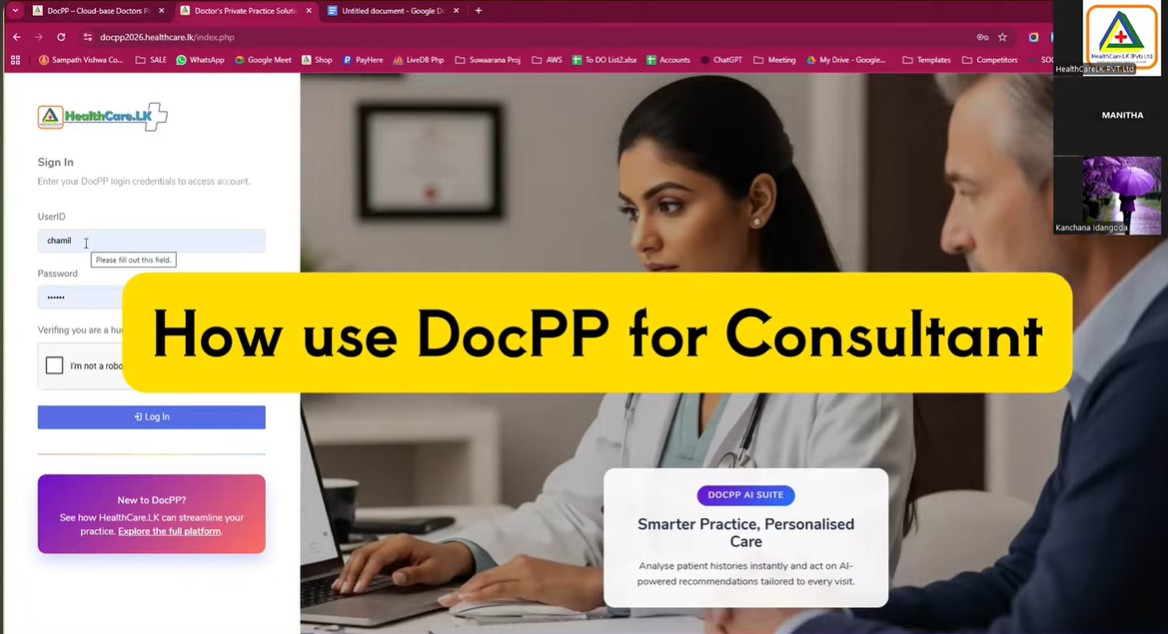
🎥[Video] How a Specialist Consultant Manages Patients Across Multiple Hospitals with DocPP

Managing patients across multiple hospitals is one of the biggest challenges faced by specialist consultants today. In a recent live discussion, we explored exactly how this can be done seamlessly, securely, and efficiently using DocPP.

This session featured a practical demonstration by a consultant, showcasing how DocPP can be leveraged in real-world clinical settings.


🩺 A Real Demonstration from a Specialist Consultant

This wasn’t just a conversation—it was a hands-on walkthrough.

A leading consultant demonstrated how they use DocPP daily to:

  • Manage patients across multiple hospitals and locations
  • Maintain one unified, accurate patient record
  • Access critical information instantly—anytime, anywhere

🚀 Key Takeaways from the Session

👉 Here’s what you’ll learn from this discussion:

  • How to manage multi-location practices without confusion
  • Keep a complete patient history in one place
  • Eliminate duplication and data fragmentation
  • Use automation to save valuable clinical time
  • Align digital tools with real consultant workflows

⚡ Built for the Way Consultants Actually Work

DocPP is designed with real-world medical workflows in mind. Whether you consult at two hospitals or five, the system ensures:

  • 📊 Centralised patient data
  • 🔒 Secure access across locations
  • ⚡ Fast, efficient consultations
  • 🧾 Consistent documentation

⏳ Why This Matters More Than Ever

As patient volumes grow and healthcare systems become more complex, managing a distributed practice manually is no longer sustainable.

⚠️ Digital transformation is no longer optional.
Clinics and consultants are rapidly moving toward smarter systems.

Stay ahead—before increasing workload, regulations, and patient expectations force the shift.


🔗 Get Started with DocPP

🚀 Book your DocPP system today:
👉 https://healthcare.lk


Categories
Blog

DocPP 2026 – Our 3rd Major Version Is Live!

DocPP started its journey in 2008, with one clear mission:

to simplify and digitise private practice management for Sri Lankan doctors.

📌 Milestones that matter:

• 2008 – DocPP launched and adopted by Sri Lankan doctors

• 2022 – 2nd major version released with expanded clinical workflows

• 2026 – 🚀 3rd major version upgrade, built for the future of healthcare

What’s new in DocPP 2026

✅ All existing DocPP features remain available

🐞 Bug fixes & stability improvements

🤖 NEW: AI Patient Overview – smarter clinical insights from patient history

🔗 NEW: APIs to connect DocPP with third-party systems

⚙️ Major technical stack upgrade

🔐 Latest security & OS patches for better data protection

DocPP 2026 is designed for modern consultants, multi-hospital practices, and growing clinics that demand reliability, intelligence, and long-term support.

📍 Trusted by Sri Lankan Doctors since 2008.

📍 Built locally. Evolving continuously.

👉 Learn more or request your free demo:

#DocPP2026#HealthCareLK#SriLankanDoctors#ClinicManagement#DigitalHealthLK#AIPatientOverview#HealthTech#PaperlessPractice#TrustedSince2008

Categories
Blog

Personalised Prescription Printing Now Available

Free for all DocPP Clients…Healthcare meets flexibility with the latest update from DocPP!

We’re excited to introduce a highly requested feature that allows clinics to use their own colourful preprinted prescription formats—while still enjoying the power and efficiency of DocPP.


🆕 What’s New?

DocPP now gives you the option to:

  • Print prescriptions on your own preprinted letterheads
  • Turn DocPP Header ON or OFF as needed
  • Maintain your clinic’s unique branding and design

This means you’re no longer limited to a single system format—your prescriptions can now reflect your clinic’s identity exactly the way you want.


🌈 Why This Matters for Your Clinic

This feature is more than just a visual upgrade—it delivers real, practical advantages:

🏥 1. Preserve Your Clinic Branding

Use your custom-designed, colourful prescription pads with logos, colors, and layouts that patients already recognize and trust.

2. Greater Flexibility & Control

Easily toggle the DocPP Header ON/OFF depending on your needs—perfect for clinics with multiple formats or preferences.

🧾 3. Professional & Consistent Output

Combine DocPP’s digital accuracy with your preprinted designs for a polished, professional result every time.

⏱️ 4. Save Time Without Changing Your Workflow

Continue generating prescriptions digitally while printing directly onto your existing stationery—no extra steps needed.

💸 5. Reduce Wastage & Printing Costs

Make use of your already printed prescription pads, avoiding unnecessary reprints or design changes.

🔒 6. Maintain Accuracy & Reduce Errors

Even with custom formats, DocPP ensures clear, legible, and standardised digital entries, minimizing handwriting errors.


⚙️ Simple, Seamless Integration

This new setting is easy to use and can be configured in seconds—no technical expertise required. Whether you prefer fully digital layouts or hybrid printing with preprinted formats, DocPP adapts to your workflow.


🚀 Designed Around Your Needs

At DocPP, we believe technology should adapt to healthcare providers—not the other way around. This update empowers clinics to blend tradition with innovation, giving you the best of both worlds.


📌 Start Using It Today

  • 📌 Already using DocPP? Enable the setting and start printing on your custom formats instantly.
  • 📌 New to DocPP? Experience smarter, more flexible clinic management with a FREE demo.

👉 Learn more: https://healthcare.lk


💬 Stay Connected

Follow us for more feature updates, tips, and innovations in digital healthcare.


#DocPP #HealthcareLK #DigitalHealth #ClinicManagement #PrescriptionPrinting #MedicalSoftware #HealthTech #SriLankaHealthcare #DoctorTools #PaperlessPractice #HealthcareInnovation

Categories
Blog

🔒 DocPP Admins Just Got More Secure!

Enhancing Protection for Your Clinic Data

In today’s digital healthcare landscape, protecting sensitive patient and clinic data is more important than ever. That’s why DocPP continues to evolve—bringing you stronger, smarter security without disrupting your daily workflow.

We’re proud to introduce our latest security upgrade designed to give healthcare providers greater peace of mind.


🆕 Two-Factor Authentication (2FA) for Administrators

To strengthen access control, DocPP now offers Two-Factor Authentication (2FA) specifically for administrator-level users.

With this new feature, you get:

  • Dual Verification via SMS & Email
  • Enhanced Protection Against Unauthorised Access
  • Added Security Layer for Admin Accounts

This ensures that only verified personnel can access critical system settings and sensitive information.


⚙️ Flexible Security Controls Tailored to Your Practice

Every healthcare practice operates differently—and your security settings should reflect that.

DocPP now allows:

  • 🔧 Customisable Security Configurations per Practice
  • 🔧 Control Over Authentication Settings
  • 🔧 Balance Between Security & User Convenience

While advanced protections are available, the default login experience remains simple and hassle-free, ensuring your team can continue working efficiently.


🚀 Security That Grows With Your Clinic

At DocPP, we believe that stronger security shouldn’t mean added complexity. This latest update is part of our ongoing commitment to:

  • Protect your clinic’s digital infrastructure
  • Safeguard patient data
  • Deliver secure, user-friendly healthcare solutions

As your clinic grows, DocPP grows with you—securely.


🔗 Learn More


💬 Stay Updated

Follow us for the latest updates, feature releases, and digital healthcare innovations.


#DocPP #HealthcareLK #DigitalHealth #HealthTech #CyberSecurity #DataProtection #eHealth #ClinicManagement #HealthcareInnovation #SecureHealthcare #2FA #MedicalSoftware