As the healthcare landscape in Sri Lanka continues to evolve, clinics face critical decisions regarding software solutions. This article delves into Cloud Medical Software and On-Premise Clinic Software, examining their implications for clinical management systems. With insights on healthcare technology, and an emphasis on platforms like DocPP, healthcare practitioners can make informed choices that enhance patient care and operational efficiency.
Understanding Cloud Medical Software in Sri Lanka
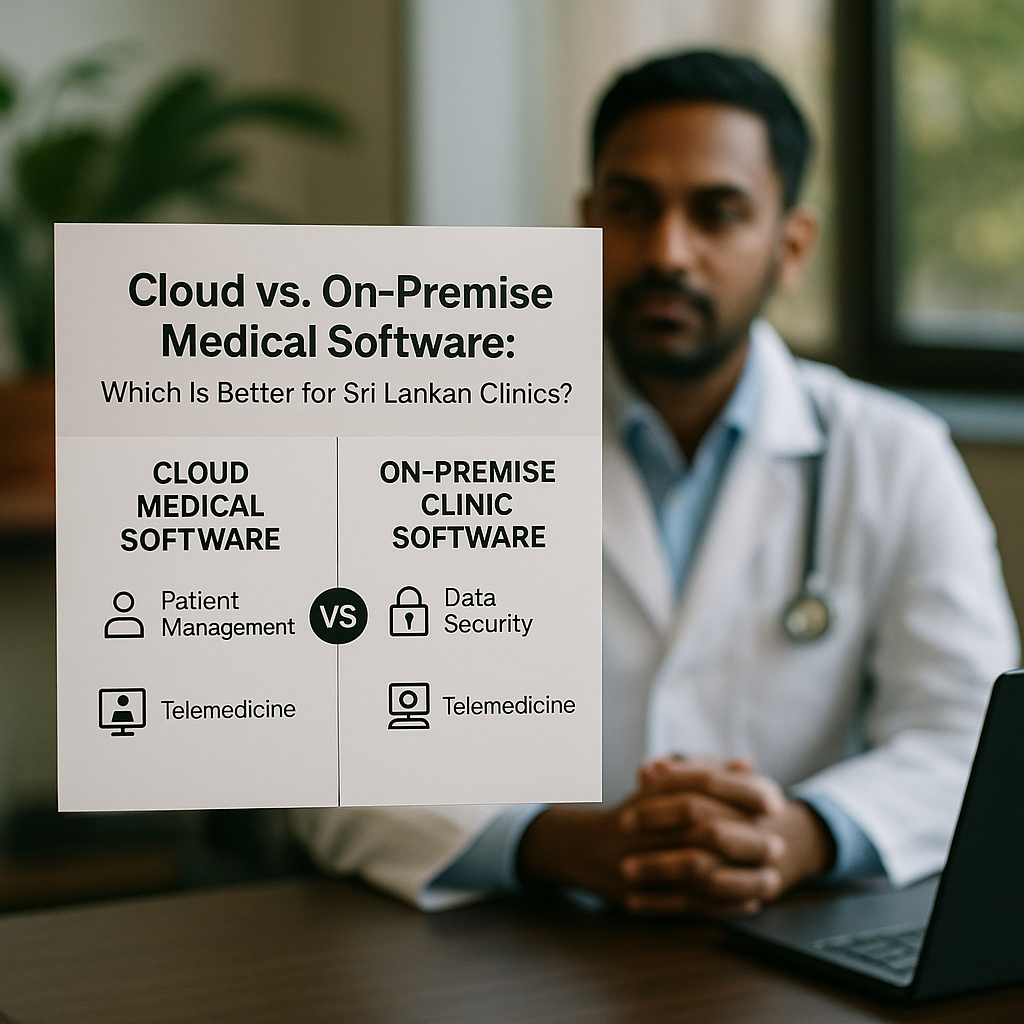
Cloud medical software has transformed the landscape of healthcare in Sri Lanka by facilitating streamlined operations in clinics and hospitals. A system like DocPP enhances patient management through its capabilities in electronic medical records (EMR) and appointment scheduling, enabling doctors to optimise their workflows. This aligns with the Ministry of Health’s initiatives to digitise healthcare services nationwide.
In a setting where access to patient records and prescriptions is critical, cloud-based solutions reduce the barriers associated with traditional methods. Healthcare professionals can securely access digital prescriptions and billing information from anywhere, which is especially beneficial for busy doctors in private practice. By incorporating telemedicine features, DocPP also supports remote consultations, addressing the increasing demand for accessible healthcare.
Moreover, cloud medical software contributes to improved clinical documentation and follow-up management, essential elements in maintaining high-quality patient care. Sri Lankan medical centres can leverage healthcare analytics provided by systems like DocPP to monitor patient outcomes and enhance operational efficiency. This data-driven approach aligns with the evolving healthcare digitisation landscape within the country, promoting best practices among specialists and general practitioners alike.
Using a system such as DocPP allows healthcare organisations to focus more on patient interaction rather than administrative burdens. Transitioning to a clinical management system within the cloud supports a culture of innovation and responsiveness, which is critical in meeting the dynamic needs of Sri Lankan healthcare providers and their patients. As clinics across the island seek to modernise, integrating cloud technology will be a strategic step towards delivering better health outcomes.
Exploring On-Premise Clinic Software
On-premise clinic software can be particularly beneficial for Sri Lankan healthcare facilities that require control over their data and operations. For instance, using a solution like DocPP, medical professionals can manage electronic medical records (EMR) effectively while complying with local regulations set by entities like the Ministry of Health Sri Lanka.
This software allows clinics to centralise patient records, ensuring quick access for specialists and general practitioners alike, which streamlines patient management. Appointments can be scheduled efficiently, and follow-up management is simplified, enhancing patient care quality.
Moreover, handling billing and digital prescriptions becomes more manageable, especially in a private practice setting. On-premise solutions provide stability in environments with inconsistent internet connectivity, a consideration relevant to many Sri Lankan clinics. Thus, while evaluating clinic operations, understanding the implications of on-premise versus cloud-based systems is crucial for healthcare digitisation in Sri Lanka.
Key Features of Clinical Management Systems
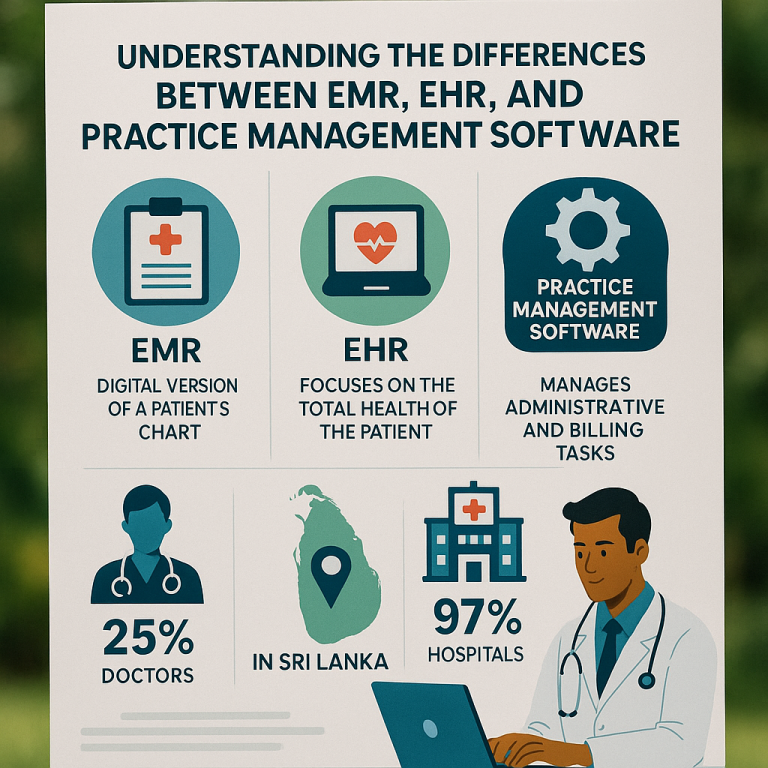
The key features of Clinical Management Systems (CMS) are particularly relevant for the evolving landscape of healthcare in Sri Lanka. Essential elements such as Electronic Medical Records (EMR) and Electronic Health Records (EHR) allow Sri Lankan doctors to manage patient data efficiently, thereby enhancing clinical workflows.
Moreover, streamlined appointment scheduling systems can reduce waiting times, improving patient throughput in busy clinics. Digital prescriptions facilitate easy medication management for both doctors and patients, while integrated billing systems lessen administrative burdens by automating invoicing and payment processing.
Patient management features enable healthcare providers to engage effectively with their patients, ensuring timely follow-ups and enhancing satisfaction through personalized care pathways. Healthcare analytics offer valuable insights into patient outcomes and operational performance, guiding strategic decisions in clinical practices.
For instance, a specialist in Colombo can utilize telemedicine through a CMS to reach patients in rural areas, expanding their service footprint and meeting the needs of a diverse patient population. Overall, adopting an advanced Clinical Management System tailored to the Sri Lankan context, like DocPP, can significantly aid private practice management, achieving operational excellence and fostering healthcare digitization.
Telemedicine: A Game-Changer for Sri Lankan Clinics
Telemedicine has emerged as a transformative force in the healthcare landscape of Sri Lanka, especially for clinics seeking to enhance patient engagement and streamline care. With DocPP Clinical Management System, practitioners can efficiently integrate telemedicine into their workflows, providing virtual consultations that cater to patient needs without the constraints of distance.
In the context of Sri Lanka’s evolving healthcare system, telemedicine facilitates improved access to specialists, particularly in rural areas where healthcare facilities may be limited. By utilising features such as appointment scheduling, digital prescriptions, and secure messaging, clinics can maintain continuity of care while effectively managing patient records and follow-up appointments.
Moreover, the adoption of telemedicine aligns with initiatives set forth by the Ministry of Health Sri Lanka to enhance healthcare digitisation. For instance, clinics can utilize DocPP’s comprehensive patient management tools to ensure that all clinical documentation and billing processes are seamlessly integrated with telemedicine services, thus providing a complete view of patient care.
In practical terms, Sri Lankan doctors can leverage telemedicine to address the needs of patients who may have mobility issues or those who prefer consultations from the comfort of their homes. By incorporating healthcare analytics in DocPP, practitioners can also gather insights from telemedicine interactions, helping to refine treatment plans and improve overall patient outcomes.
As telemedicine continues to gain traction in Sri Lankan clinics, ensuring the security and confidentiality of patient information is paramount. A robust Clinical Management System, like DocPP, can offer essential safeguards and maintain compliance with regulations set by entities like the Sri Lanka Medical Council.
In conclusion, the integration of telemedicine through effective clinical management systems not only enhances practice management but also aligns with the broader goals of improving healthcare delivery across Sri Lanka. This strategic adoption positions clinics to better serve their patients while navigating the complexities of modern healthcare demands.
Healthcare Technology Trends in Sri Lanka
Healthcare technology trends in Sri Lanka are increasingly shifting towards digital solutions like clinical management systems that cater to local needs. For Sri Lankan doctors and clinics, adopting cloud medical software simplifies tasks like patient record management, appointment scheduling, and digital prescriptions, thus enhancing operational efficiency. As private healthcare providers embrace healthcare digitisation, platforms such as DocPP are designed to align with local workflows, improving follow-up management and clinical documentation. This alignment allows healthcare professionals to offer better patient care while maintaining compliance with regulations set by the Ministry of Health Sri Lanka and the Sri Lanka Medical Council. The movement towards seamless healthcare analytics and practice management fosters a more integrated healthcare approach, ensuring that healthcare organisations can respond more swiftly to patient demands. By leveraging such solutions, clinics can streamline operations, ultimately promoting accessibility and improving the overall quality of healthcare services in Sri Lanka.
Compliance and Data Security in Healthcare Software
Compliance and data security are critical concerns for Sri Lankan healthcare providers. As clinics adopt digital practices, integrating Electronic Medical Records (EMR) and Electronic Health Records (EHR) systems like DocPP becomes essential. With rigorous guidelines from the Ministry of Health Sri Lanka and the Sri Lanka Medical Council, safeguarding patient records through stringent data protection measures is paramount.
For clinics managing sensitive patient information, particularly in private practice settings, ensuring robust encryption and secure access protocols is vital. Under local regulations, healthcare organisations must implement comprehensive data management policies that address both compliance and operational workflows.
DocPP, designed for Sri Lankan doctors, exemplifies a Clinical Management System that streamlines patient management while maintaining strict data security standards. Features such as appointment scheduling and digital prescriptions must comply with local laws to protect patient confidentiality and trust.
With increasing investment in healthcare digitisation initiatives, healthcare analytics is integral to understanding patient needs and operational efficiency. Consequently, Sri Lankan clinics must prioritise training and integration of secure technologies within their practice management systems to address compliance effectively.
The application of telemedicine and clinical documentation through secure channels enhances patient follow-up management, but requires adherence to data protection regulations. Therefore, healthcare organisations should regularly review and upgrade their security protocols to remain compliant with evolving healthcare standards.
In summary, the adoption of cloud and on-premise solutions in Sri Lanka hinges on a careful balance between operational needs and adherence to data security regulations, ensuring the sustainability of healthcare practices in the digital age.
Cost Considerations: Cloud vs On-Premise
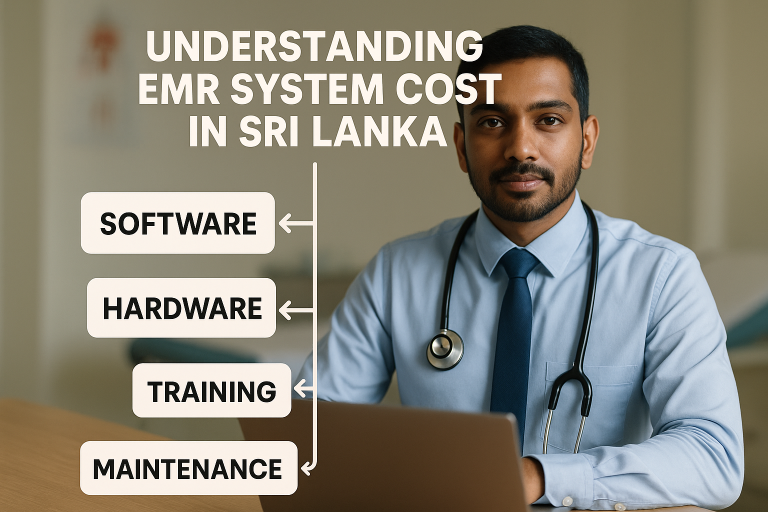
When deciding between cloud and on-premise medical software, cost considerations play a crucial role in the decision-making process for Sri Lankan clinics. Cloud solutions often have lower initial costs, as they typically involve subscription models that eliminate hefty upfront investments in hardware and infrastructure. This can be especially beneficial for small private practices and emerging healthcare organisations looking to manage their budgets effectively.
In contrast, on-premise clinic software requires significant capital expenditure for servers, maintenance, and IT support. For instance, clinics needing an Electronic Medical Record (EMR) system may find the costs of hardware purchases and software licenses prohibitive, particularly in the context of ongoing financial pressures faced by many healthcare providers in Sri Lanka.
Further, cloud-based systems like DocPP allow for ongoing updates and improvements without the need for costly software upgrades. Clinics can also save on operational costs by reducing the need for extensive IT staff, as the responsibility for system maintenance is often shifted to the provider. This adaptability enhances operational efficiency, which is vital given the rapidly evolving nature of healthcare technology.
Additionally, adopting a cloud solution can streamline patient management and billing processes, facilitating methods such as digital prescriptions and appointment scheduling, which can ultimately lead to improved patient satisfaction and retention. For doctors managing busy schedules in Sri Lankan medical centres or private clinics, the efficiency afforded by cloud infrastructures can be transformative.
Healthcare analytics offered by cloud systems enhances decision-making, empowering clinics to identify trends and improve service delivery. While both options have their merits, evaluating the total cost of ownership and operational implications, as well as aligning with local healthcare digitisation initiatives, is critical in making informed choices. Ultimately, the selection process must address both immediate financial considerations and longer-term strategic goals for organisational growth and patient care enhancement.
Conclusions
Choosing between Cloud and On-Premise Medical Software requires a careful evaluation of the specific needs of Sri Lankan clinics. Factors such as operational efficiency, data security, and budget constraints play crucial roles in the decision-making process. Ultimately, embracing the right Clinical Management System, whether Cloud-based or On-Premise, can significantly improve patient care and clinic effectiveness.