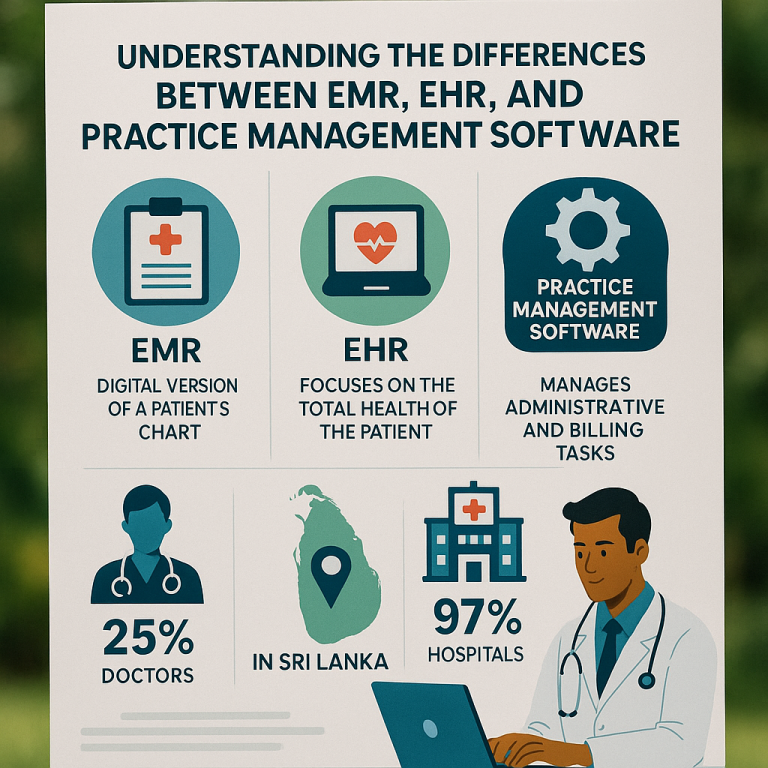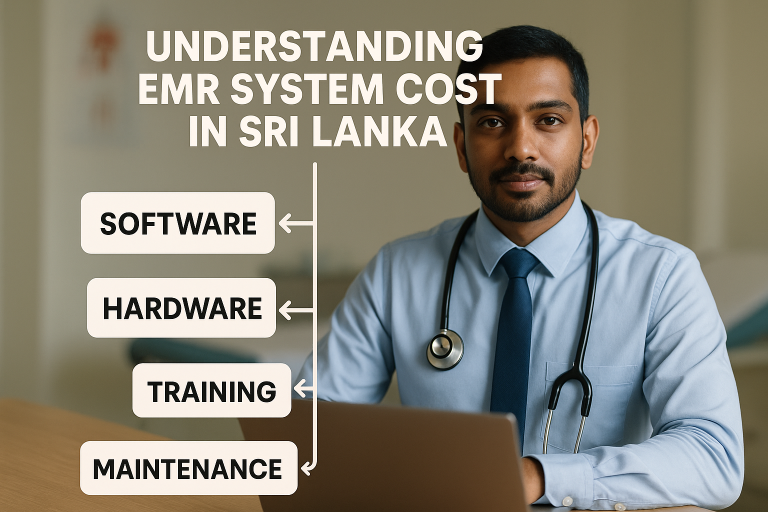
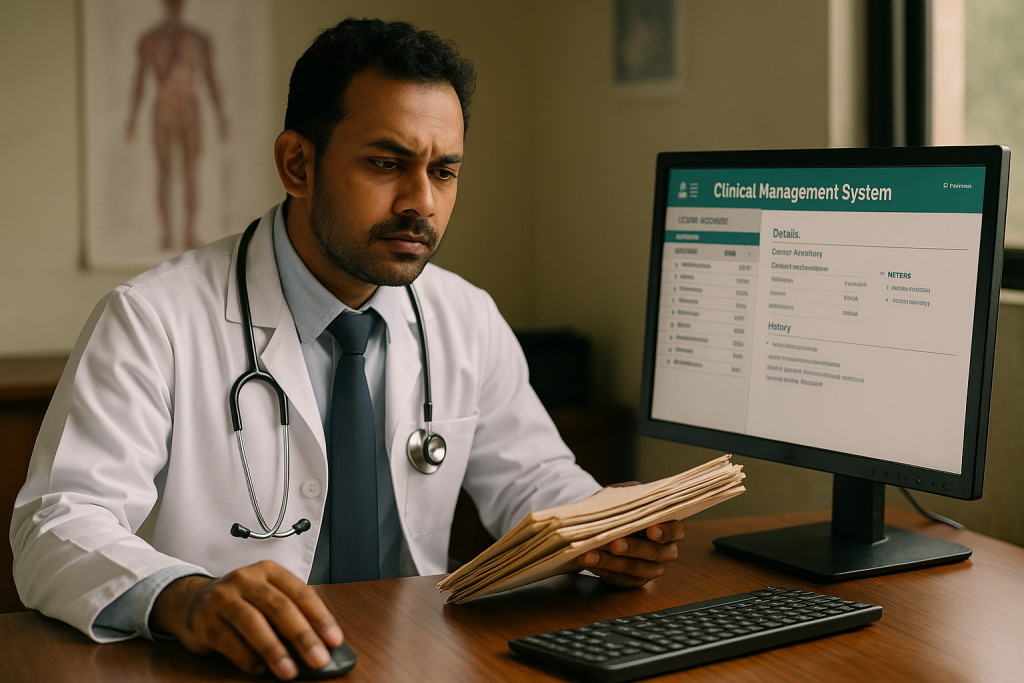
In today’s digital age, reliance on paper records can hinder the efficiency and effectiveness of medical practices. This article discusses the 10 signs that your practice may still be overly dependent on paper documents and highlights the benefits of adopting Electronic Medical Records (EMR) and other Digital Clinic Solutions in Sri Lanka’s healthcare landscape.
1. Frequent Loss of Patient Records
Frequent loss of patient records is a critical issue that commonly affects practices relying on traditional paper methods. In Sri Lanka, where numerous private clinics and medical centres operate, the absence of a systematic medical record management approach can lead to serious setbacks—such as misplacing essential patient details, disrupting healthcare workflows, and impacting overall patient satisfaction.
Digital Clinic Solutions like DocPP Clinical Management System aim to address this by providing a comprehensive electronic medical records (EMR) platform that ensures secure, accessible patient records. By digitising clinical documentation, healthcare providers can quickly retrieve medical histories, thereby saving time and minimising errors in diagnosis or treatment. For instance, a GP can easily access patient information during consultations, ensuring continuity of care without the risk of losing crucial records.
By integrating appointment scheduling, digital prescriptions, and follow-up management within a unified system, DocPP aids Sri Lankan physicians in maintaining accurate patient data while complying with standards set forth by the Ministry of Health Sri Lanka. The transition from paper to digital bolsters both practice management and patient safety, contributing to a healthier future for Sri Lanka’s healthcare landscape.
2. Time-Consuming Appointment Scheduling
While managing a clinic in Sri Lanka, paper-based appointment scheduling can result in time-consuming inefficiencies. The DocPP Clinical Management System mitigates these challenges by streamlining appointment booking processes digitally. This efficiency not only facilitates better patient management but also enhances the overall healthcare experience.
Paper-based systems often lead to double bookings, missed appointments, and communication gaps. By integrating electronic health records (EHR) with automated appointment scheduling, practitioners can easily view their availability and manage patient bookings in real time. This adaptation is essential for Sri Lankan doctors who aim to improve patient throughput while reducing administrative burdens.
Additionally, with a digital clinic solution like DocPP, patients can receive appointment confirmations and reminders through text or email, further decreasing the likelihood of no-show patients. This shift is not just about convenience; it signifies a broader move toward healthcare digitisation, which is crucial for the evolving landscape of Sri Lankan healthcare. Moreover, accurate appointment management contributes directly to a clinic’s financial health, enabling better billing practices and resource allocation.
Thus, to avoid the pitfalls of inefficient scheduling and improve clinic operations, adopting a clinical management system that supports comprehensive appointment handling is integral. By embracing such digital tools, healthcare practices can enhance service delivery, align with initiatives from the Ministry of Health, and ultimately contribute to a more resilient healthcare system in Sri Lanka.
3. Inefficient Patient Management
In Sri Lanka’s healthcare landscape, inefficient patient management can exacerbate the burden on clinics and healthcare facilities. When medical practices continue to rely heavily on paper records, it compromises the ability to maintain accurate patient histories and hampers the quality of care.
With a Clinical Management System like DocPP, practitioners can seamlessly transition to efficient patient management workflows. Such systems enable the digitalisation of patient records, allowing doctors to access comprehensive Electronic Medical Records (EMRs) instantly. This transition not only facilitates more effective appointment scheduling and follow-up management but also supports timely clinical documentation and digital prescriptions.
Moreover, healthcare software like DocPP enhances communication among healthcare providers, laboratories, and diagnostic centres. For instance, a GP can quickly share lab results with a specialist, fostering collaborative care. The integration of practice management features also simplifies patient billing and ensures financial transparency.
For Sri Lankan medical professionals aiming to enhance their practice management and patient care, embracing a digital approach is not just a recommendation; it’s essential for adapting to contemporary healthcare requirements.
4. Challenges in Medical Billing
In a environment transitioning to digital, Sri Lankan medical billing remains a critical challenge. Documentation errors, often stemming from manual entry, lead to disputes with insurers and delayed payments. Implementing a Clinical Management System like DocPP can enhance accuracy, minimising these billing errors.
Inadequate training often results in staff struggling with technology, impacting the billing cycle. By offering thorough training on transition processes, practices can ensure smoother billing workflows. A robust healthcare software framework improves billing transparency, allowing practitioners to track payments and outstanding claims efficiently.
Incorporating an electronic medical record (EMR) system streamlines billing by ensuring that patient visits, services rendered, and digital prescriptions are accurately captured. Automated billing functionalities can reduce tedious manual tasks that often cause delays, thereby improving cash flow for clinics.
Moreover, integrating billing within patient management systems fosters better communication about costs upfront. Patients receive digital notifications regarding their financial responsibilities, which can alleviate confusion and enhance payment rates. In this shifting landscape, managing billing effectively within a comprehensive Clinical Management System becomes essential for sustainable private practice management.
As Sri Lanka advances toward healthcare digitisation, prioritising accurate, timely billing practices will not only enhance operational efficiency but also improve patient satisfaction and trust.
5. Difficulty Accessing Patient Histories
Difficulty in accessing patient histories is a significant hurdle for many healthcare providers in Sri Lanka who still rely on paper records. Traditional methods can result in misplaced files, illegible handwriting, or even extensive waiting times to retrieve patient information during consultations, ultimately compromising patient care.
In contexts such as private clinics and specialist surgeries, inefficiencies due to manual record-keeping can significantly disrupt patient management workflows. With a Clinical Management System like DocPP, Sri Lankan doctors can transition to digital patient records, ensuring that comprehensive histories are stored in an easily accessible manner. This digitisation streamlines appointment scheduling and enhances follow-up management, allowing practitioners to retrieve clinical documentation swiftly, providing timely interventions.
Moreover, real-time access to electronic medical records (EMR) helps ensure that all healthcare personnel involved in a patient’s care remain informed and can collaborate effectively, which is pivotal in complex cases requiring input from diagnostic centres or laboratories. By embracing digital solutions, healthcare providers can overcome these access difficulties and improve overall practice management, aligning with the Ministry of Health’s efforts for healthcare digitisation in Sri Lanka.
6. Inadequate Compliance with Healthcare Regulations
Inadequate compliance with healthcare regulations often stems from reliance on paper records, which can lead to errors in clinical documentation and patient data management. Sri Lankan doctors must ensure adherence to guidelines set by the Ministry of Health and the Sri Lanka Medical Council to avoid penalties. Transitioning to an electronic medical records (EMR) system like DocPP can streamline regulatory compliance by facilitating accurate billing, ensuring secure patient data storage, and enabling quick retrieval of essential records. Such systems aid in thorough documentation, which is critical during audits and inspections. Regular training on digital record management can further enhance understanding and adherence to complex healthcare regulations.
7. Limited Telemedicine Capabilities
Limited telemedicine capabilities often hinder medical practices in Sri Lanka from fully embracing modern healthcare delivery. With the rise of teleconsultations, practices that are still heavily reliant on paper records face challenges in connecting with patients virtually.
Utilising a Clinical Management System like DocPP can enable medical professionals to integrate telemedicine seamlessly, allowing for digital consultations and follow-ups. By digitising patient records and streamlining appointment scheduling, practices can enhance patient management and maintain continuity of care.
Telemedicine can greatly improve access to healthcare, especially in rural sectors where specialist access is limited. By leveraging healthcare software that supports telemedicine functions, clinics can provide timely consultations, reducing the need for patients to travel long distances.
Furthermore, a system that includes features for digital prescriptions and clinical documentation ensures that telemedicine interactions are documented accurately within the electronic medical record (EMR). The Ministry of Health Sri Lanka encourages healthcare digitisation, highlighting that adapting to telemedicine is not just a convenience, but a necessity in today’s fast-paced environment.
In preparation for this shift, practices should assess their current workflows and identify the potential for telemedicine, especially in private clinics and healthcare organisations. Investing in comprehensive software tailored for Sri Lankan doctors can bridge the gap between current operations and future healthcare demands.
8. Slow Clinical Workflow Management
Slow clinical workflow management often hampers efficiency and patient care in Sri Lankan healthcare settings. Manual processes, such as physical patient records, can lead to delays in appointments, diagnostics, and treatment plans. A Clinical Management System like DocPP streamlines these workflows by automating appointment scheduling, enhancing patient record accessibility, and facilitating quicker clinical documentation. By implementing such systems, Sri Lankan doctors can improve patient management, reduce waiting times, and ensure timely follow-ups, thereby alleviating the strain on busy practices and enhancing overall satisfaction for both patients and healthcare providers.
9. Lack of Healthcare Analytics
An over-reliance on paper records limits healthcare analytics, hindering the ability to derive insights from patient data. In Sri Lanka, many clinics may struggle to track health trends, patient demographics, or treatment efficacy due to fragmented and inaccessible data.
Without a robust Clinical Management System like DocPP, practitioners miss out on tracking critical metrics such as appointment no-show rates or treatment outcomes that inform future patient care strategies. Integrating healthcare analytics into practice management allows Sri Lankan doctors to enhance their clinical decision-making processes through informed data interpretation.
To move towards a fully digitised practice, healthcare organisations should adopt integrated software solutions that facilitate easy access to and analysis of electronic patient records. This transition enables clinicians to make data-driven decisions, improving patient outcomes and operational efficiencies. It’s essential for practices to recognise the importance of healthcare analytics in modern medicine and actively seek systems that support this strategic approach to care.
10. Fragmented Patient Engagement Strategies
Fragmented patient engagement strategies can hinder effective communication between healthcare providers and patients, especially in a digitalising landscape like Sri Lanka’s. Many practices still depend on traditional methods, limiting channels such as telemedicine and online appointment scheduling, crucial for modern healthcare.
In a clinical environment where DocPP streamlines patient management, practices can integrate digital prescriptions, follow-up management, and comprehensive healthcare analytics. This enhances patient engagement and builds trust, vital for ongoing care continuity. Adopting a unified Clinical Management System can help mitigate the fragmentation often seen in patient interactions, enabling healthcare professionals to reach patients more effectively.
Moreover, employing EMRs and EHRs within a familiar framework helps clinicians in Sri Lanka leverage patient data to facilitate better communication about treatment plans and health status updates. This approach ensures that patient engagement is proactive rather than reactive, fostering a healthier doctor-patient relationship.
To overcome the limitations of fragmented strategies, clinics and hospitals are encouraged to embrace a structured healthcare software solution. By merging functionalities for billing, clinical documentation, and appointment scheduling, healthcare practices can unveil a seamless communications pathway that genuinely engages patients in their health journeys.
Conclusions
Recognizing the signs of over-reliance on paper records is crucial for enhancing the efficiency of medical practices in Sri Lanka. Adopting Electronic Medical Records and other healthcare software solutions can vastly improve patient management and operational workflows, ensuring compliance and better care delivery.