The healthcare landscape in Sri Lanka is evolving, with a growing emphasis on digitisation and enhanced patient care. Cloud-based medical software, specifically tailored for local specialists, is revolutionizing how medical practices operate. This article delves into the benefits of implementing a Cloud Clinical Management System, focusing on DocPP as a leading example geared towards Sri Lankan doctors and clinics.
The Rise of Cloud-Based Healthcare Software in Sri Lanka
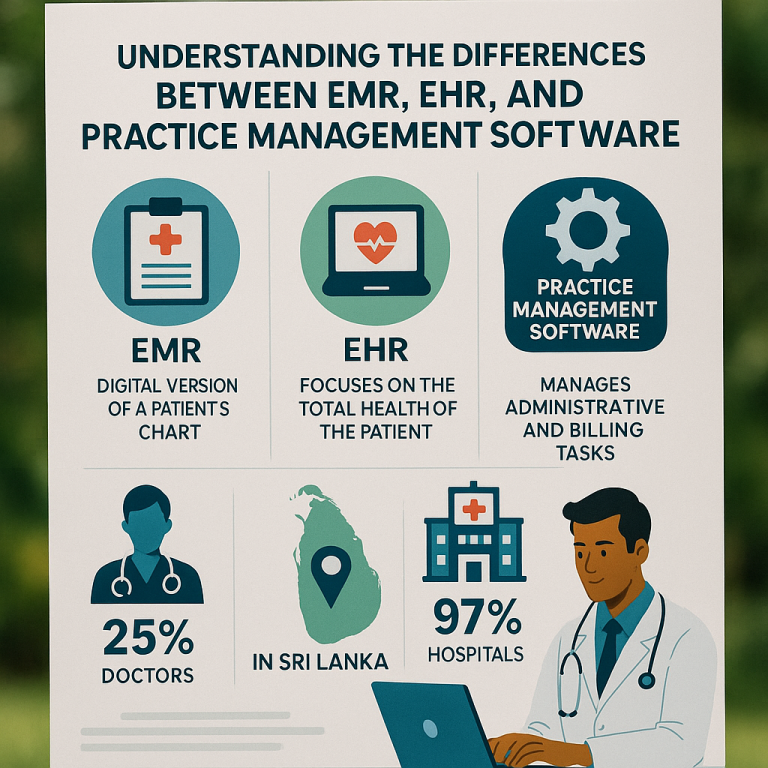
The rise of cloud-based healthcare software has significantly transformed the operational landscape for Sri Lankan healthcare professionals. Adopting a Cloud Clinical Management System facilitates seamless access to patient records through electronic medical records (EMR) and electronic health records (EHR), enabling specialists and general practitioners to enhance patient care.
For instance, private clinics and medical centres can implement DocPP’s capabilities to streamline appointment scheduling, manage digital prescriptions, and oversee billing processes efficiently. This digitisation simplifies clinical documentation, making follow-up management more effective and reducing administrative burdens for healthcare providers.
The integration of healthcare analytics tools in such systems allows practitioners to analyse patient data trends, thus improving clinical decision-making. Sri Lankan doctors can leverage these insights to tailor care plans that are both efficient and patient-centric.
Furthermore, with the growing acceptance of telemedicine services, a robust cloud-based solution like DocPP can facilitate virtual consultations, maintaining continuity of care amid the ongoing digitisation initiatives backed by the Ministry of Health Sri Lanka. This not only enhances the workflow of specialists but also ensures patients receive timely access to healthcare services.
As the importance of digital transformation increases, embracing cloud-based medical practice management tools is no longer optional but essential for Sri Lankan healthcare providers aiming to thrive in a rapidly evolving landscape. Adopting such solutions positions practices to better serve the community while driving operational efficiencies.
What is a Cloud Clinical Management System?
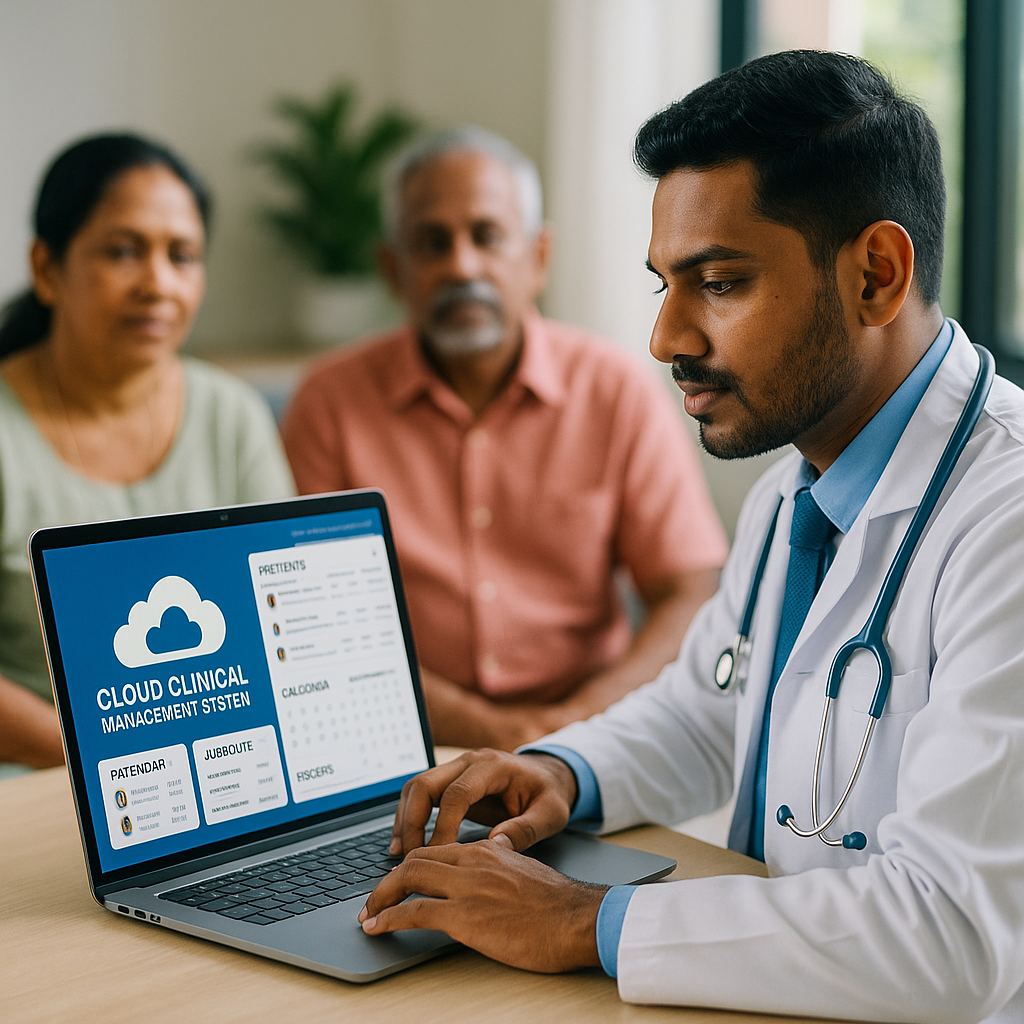
A Cloud Clinical Management System, like DocPP, serves as a vital tool for Sri Lankan specialists, streamlining operations by centralising patient records, scheduling, and billing within a singular digital framework. This integration enhances workflow efficiency, crucial for private practices and clinics facing increasing patient demands.
For doctors in Sri Lanka, transitioning to electronic medical records (EMR) and electronic health records (EHR) fosters improved patient management, allowing for quick access to clinical documentation and digital prescriptions. Facilities benefit by minimising administrative errors and optimising resource allocation, which is critical amidst healthcare digitisation initiatives endorsed by the Ministry of Health Sri Lanka.
Moreover, with telemedicine becoming increasingly relevant, a cloud-based system supports remote consultations, broadening access to specialised care across urban and rural areas. This adaptability ensures that clinical operations remain consistent and uninterrupted, maximising patient engagement and adherence to follow-up care protocols. Additionally, leveraging healthcare analytics through such systems enables practices to analyse patient outcomes and overall practice performance, ultimately elevating standards of care in Sri Lanka’s evolving healthcare landscape.
Why Specialists Need Specialist Practice Software
In Sri Lanka, specialists increasingly require tailored practice management software to streamline their operations. Specialist practice software, such as the DocPP Clinical Management System, centralises patient records, enhances appointment scheduling, and supports digital prescriptions, tailored for local healthcare workflows.
This approach fosters efficient management of medical documentation, billing processes, and telemedicine interactions, crucial for specialists across various fields like cardiology or orthopaedics. By integrating healthcare analytics, physicians can gain insights into patient care trends, improving follow-up management and treatment protocols.
Moreover, embracing a cloud-based framework ensures that Sri Lankan doctors remain compliant with guidelines established by the Sri Lanka Medical Council and the Ministry of Health Sri Lanka, thereby optimising overall digital transformation in clinics and healthcare organisations.
Enhancing Patient Engagement with Digital Tools
Enhancing patient engagement is pivotal for improving health outcomes, especially within the Sri Lankan healthcare landscape. With tools like an Electronic Medical Record (EMR) integrated into a Clinical Management System, specialists can easily access up-to-date patient records, fostering trust and communication.
Implementing features such as appointment scheduling and digital prescriptions through platforms like DocPP allows patients to manage their healthcare more actively. This not only simplifies the clinic experience but also encourages adherence to treatment plans, critical in Sri Lanka’s diverse healthcare environment.
Follow-up management tools enhance proactive care, enabling specialists to reach out and address patient concerns promptly. Moreover, telemedicine capabilities bridge geographical gaps, allowing urban and rural patients alike to receive care, particularly in regions where access to specialists is limited.
Utilising healthcare analytics within systems like DocPP can provide insights into patient demographics and outcomes, enabling a tailored approach to care. By understanding patient behaviours, Sri Lankan doctors can engage effectively, supporting better health literacy and encouraging preventive measures.
Furthermore, integrating billing and insurance verification streamlines clinic operations, reducing patient stress regarding financial matters and improving overall satisfaction. This holistic engagement fosters a more patient-centric approach, aligning with the Sri Lankan Ministry of Health’s initiatives to digitise healthcare processes effectively.
Optimising Clinical Workflows with DocPP
DocPP streamlines clinical workflows for Sri Lankan doctors by integrating key functionalities within a cohesive Clinical Management System. By employing electronic medical records (EMR) and electronic health records (EHR), specialists can efficiently manage patient records, allowing for quick access during consultations and enhancing patient interaction.
Appointment scheduling within DocPP maximises clinic efficiency, helping specialists adhere to schedules and reduce patient wait times. Digital prescriptions not only simplify the medication ordering process but also minimise errors, showcasing a commitment to patient safety that resonates well with Sri Lanka’s healthcare standards.
Furthermore, implementing billing and telemedicine features within DocPP facilitates a smoother revenue cycle, ultimately supporting private practice management. Doctors can engage with follow-up management effectively, ensuring continuity of care while leveraging healthcare analytics to optimise treatment plans, thus improving patient outcomes.
In an era where digitisation is paramount, tools like DocPP position healthcare organisations in Sri Lanka to elevate operational efficacy while aligning with initiatives set forth by the Ministry of Health. The software supports seamless communication between private healthcare providers, laboratories, and diagnostic centres, fostering a collaborative healthcare environment.
Ultimately, optimising clinical workflows with DocPP represents a step towards modernising healthcare practices in Sri Lanka, encouraging a transition from conventional methods to a more efficient, patient-centric digital approach. Such advancements not only streamline processes but also align with the broader goals of healthcare digitisation initiatives across the nation.
Healthcare Compliance and Data Security
In the realm of Sri Lankan healthcare, compliance with regulations and safeguarding patient information is paramount. Cloud-based systems, such as DocPP, enhance data security while ensuring adherence to guidelines set forth by the Ministry of Health Sri Lanka and the Sri Lanka Medical Council.
The integration of Electronic Medical Records (EMR) and Electronic Health Records (EHR) within a reliable Clinical Management System facilitates meticulous tracking of patient records. This approach not only streamlines appointment scheduling and billing processes but also supports digital prescriptions and telemedicine initiatives, crucial for modern healthcare delivery.
Moreover, the ability to maintain comprehensive clinical documentation ensures that patient follow-ups are managed effectively, thereby improving care outcomes. Adopting such healthcare software leads to enhanced practice management, allowing specialists and clinics to focus more on patient care rather than administrative hurdles.
Staying updated with healthcare analytics further aids in compliance, allowing practices to monitor performance against regulatory standards. Therefore, embracing cloud-based solutions enhances not just operational efficiency but strengthens the overall healthcare framework in Sri Lanka, benefiting both practitioners and patients alike.
The Role of Healthcare Analytics in Improving Practice Management
The integration of healthcare analytics within a cloud-based Clinical Management System like DocPP offers tangible benefits for Sri Lankan specialists. By utilising data-driven insights, these tools enhance practice management, enabling doctors to analyse patient trends, streamline workflows, and improve their decision-making. This is particularly relevant in Sri Lanka’s diverse healthcare environment, where effective resource management can directly impact patient care.
For instance, analytics can identify peak appointment times, allowing clinics to optimise scheduling and reduce patient wait times. This information also aids in proactive follow-up management, where reminders for check-ups or medication refills can enhance patient adherence to treatment plans, ultimately leading to better health outcomes.
Moreover, integrating analytics with Electronic Medical Records (EMR) systems empowers practitioners to evaluate treatment effectiveness and patient outcomes, making necessary adjustments in real-time. This promotes an evidence-based approach to clinical decision-making, which is essential for maintaining compliance with standards set by the Ministry of Health Sri Lanka and the Sri Lanka Medical Council.
Additionally, healthcare analytics supports financial management within medical practice operations. By analysing billing data, doctors can identify discrepancies, streamline revenue cycles, and enhance financial forecasting, which is crucial for sustainability in a competitive private healthcare landscape.
Incorporating analytics into practice not only assists individual practitioners but also enriches the overall healthcare landscape in Sri Lanka. As specialists engage in more data-centric capabilities, the collective insights can drive improvements across healthcare services, from policy shaping to operational enhancements, thus ushering a new era of healthcare digitisation.
Future Trends in Cloud-Based Medical Practice Management
In the evolving landscape of healthcare, a Cloud Clinical Management System emerges as essential for Sri Lankan specialists seeking greater efficiency. Such systems streamline patient management through integrated solutions like appointment scheduling, EMR, and EHR, allowing seamless documentation and access to patient records.
The adaptation of specialist practice software in private clinics helps reduce administrative burdens, enabling healthcare providers to focus on patient care. For instance, with tools supporting digital prescriptions and billing, Sri Lankan doctors can enhance the accuracy and speed of transactions. Telemedicine features further expand reach, allowing specialists to consult patients remotely, which is particularly beneficial in rural areas.
Focused on local needs, healthcare software solutions like DocPP foster organised clinic operations by facilitating follow-up management and clinical documentation. This enables better tracking of patient progress, thereby improving overall outcomes. Furthermore, integration with healthcare analytics promotes informed decision-making, contributing to optimised practice management.
Ultimately, as the Sri Lankan healthcare system embraces digitisation, transitioning to cloud-based solutions will be crucial. Such systems not only align with the Ministry of Health Sri Lanka’s objectives for healthcare modernisation but also enable clinics to adapt to the fast-paced changes in healthcare delivery. Continuously prioritising patient care while utilising technology will set the standard for future practice management in the country.
Conclusions
The integration of a Cloud Clinical Management System within Sri Lanka’s healthcare framework holds substantial promise for specialists, addressing unique operational challenges and enhancing patient care. By opting for tailored solutions like DocPP, healthcare providers can pave the way for efficient, compliant, and engaged medical practices.