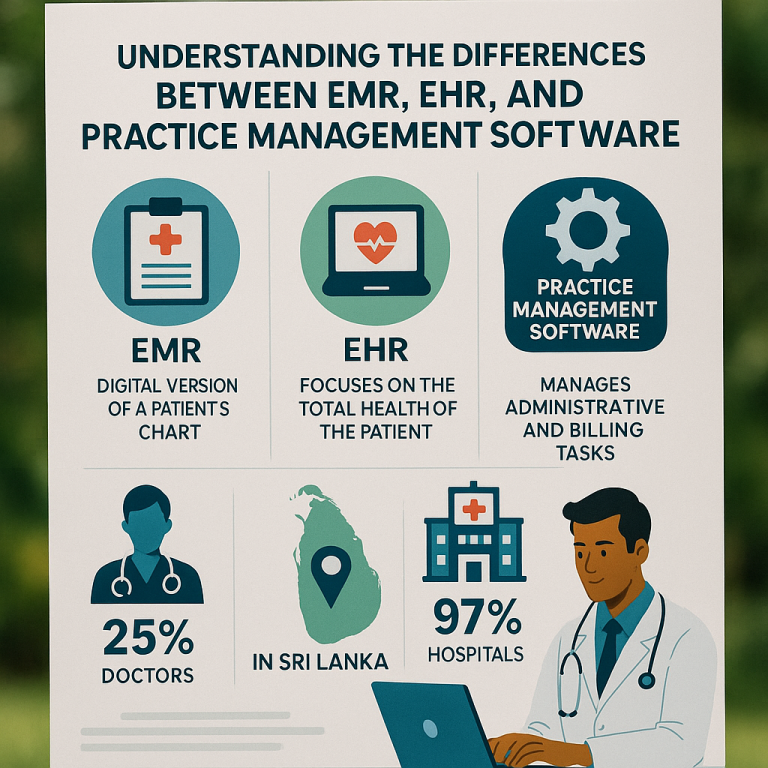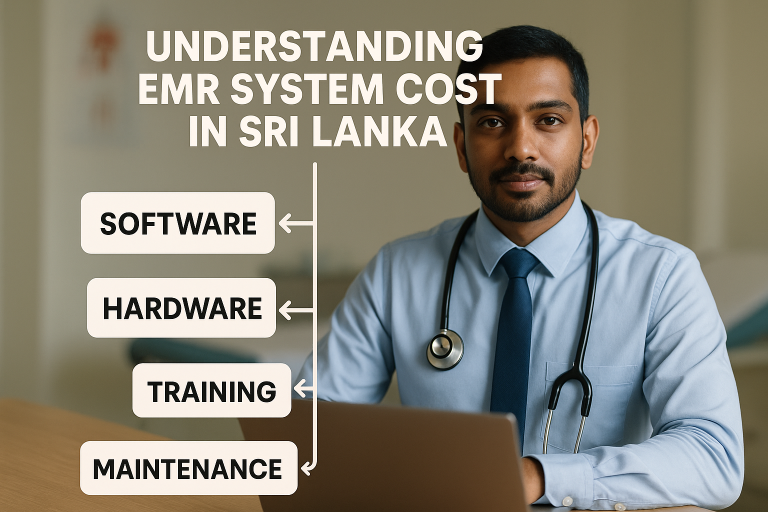
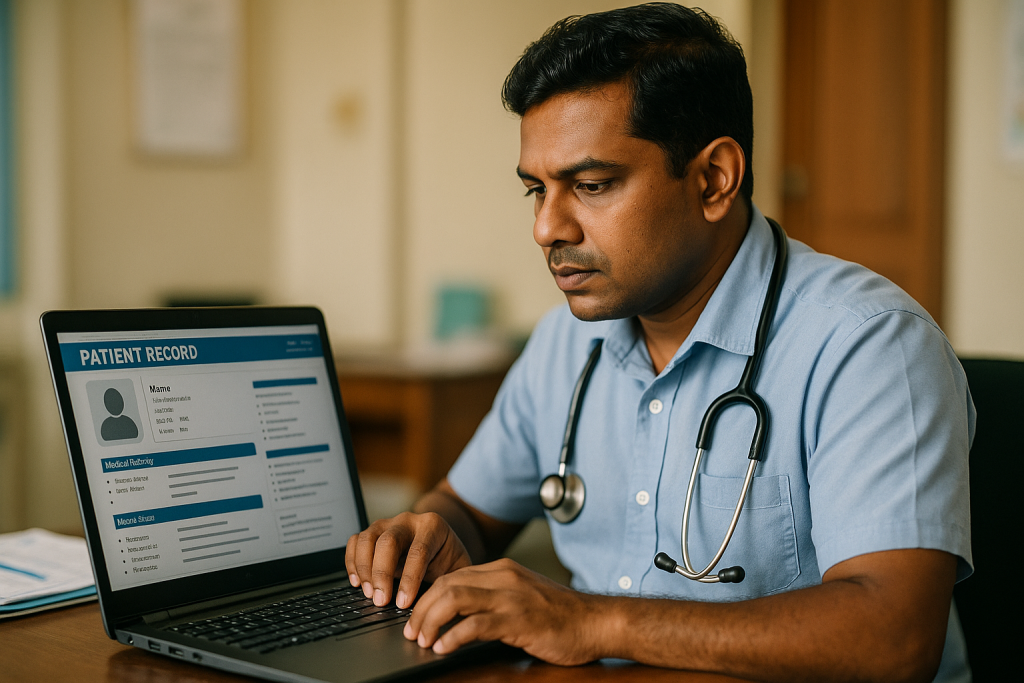
In today’s healthcare environment, the importance of Electronic Health Records (EHR) in primary care cannot be overstated. In Sri Lanka, healthcare providers are increasingly adopting advanced Patient Record Management systems to enhance continuity of care. This article examines the role of Clinical Management Software, like DocPP, in streamlining clinical workflows, improving patient engagement, and providing high-quality healthcare services in Sri Lankan clinics and hospitals.
Understanding Electronic Health Records in Sri Lanka
In Sri Lanka, the integration of Electronic Health Records (EHR) through systems like DocPP marks a significant shift in clinical practice. By enabling real-time access to patient data, healthcare providers, including specialists and GPs, can enhance patient management and refine decision-making processes. This digitisation not only streamlines appointment scheduling but also facilitates digital prescriptions, ensuring seamless communication across private clinics and medical centres.
Utilising a comprehensive Clinical Management Software such as DocPP allows for cohesive clinical documentation and billing practices, which is crucial for efficient healthcare delivery. Moreover, such platforms enhance telemedicine capabilities, ensuring that follow-up management is both timely and effective, thereby improving overall patient experience.
As Sri Lanka embraces healthcare digitisation, the role of healthcare analytics becomes ever more critical. By leveraging insights from EHR data, healthcare organisations can identify trends, monitor population health, and ultimately improve service delivery standards. Effective patient record management is thus essential for fostering continuity of care, making every patient interaction meaningful and informative for clinicians across the board.
The Role of Patient Record Management in Continuity of Care
Effective patient record management is integral to maintaining continuity of care in Sri Lanka’s healthcare landscape. Systems like DocPP facilitate seamless transitions between clinicians, enabling essential data sharing among GPs, specialists, and medical centres. This fluid exchange supports informed clinical decisions.
Through electronic health records (EHRs) available in such systems, Sri Lankan doctors can efficiently manage patient histories, appointments, and clinical documentation. Streamlined processes for digital prescriptions and billing reduce administrative burdens, allowing more time for patient engagement.
For instance, in private clinics, timely access to current patient records enhances follow-up management and treatment planning. Telemedicine capabilities further extend care continuity, connecting patients with healthcare providers regardless of location.
Healthcare analytics offered by clinical management software can assist practitioners in identifying trends in patient populations, ultimately leading to more tailored healthcare services. The integration of patient record management within the framework of Sri Lanka’s healthcare digitisation initiatives underscores the importance of leveraging technology for enhanced patient experiences.
In the context of practice management, adopting a comprehensive solution enables healthcare organizations to thrive amidst evolving patient demands. By prioritising patient record accuracy and accessibility, Sri Lankan healthcare providers can uphold a standard of excellence that supports ongoing patient relationships and cultivates trust.
The Importance of Clinical Management Software for Sri Lankan Doctors
The implementation of Clinical Management Software, like DocPP, is essential for Sri Lankan doctors to streamline workflows in clinics and medical centres. By digitising patient records, appointment scheduling, and billing, healthcare providers can enhance efficiency and ensure continuity of care, aligning with the country’s healthcare digitisation initiatives.
This software supports effective patient record management through secure Electronic Health Records (EHR) that enable easy access and sharing of information among healthcare professionals. Such integration allows for better clinical documentation and follow-up management, crucial for patient recovery and long-term health outcomes.
Incorporating features such as digital prescriptions and telemedicine within DocPP provides accessible care while reducing unnecessary hospital visits. Doctors and specialists can leverage healthcare analytics for informed decision-making, adjusting treatment plans based on comprehensive patient data. These digital solutions not only improve practice management but also enhance patients’ experiences, aligning with the broader goals of the Ministry of Health Sri Lanka.
As the healthcare landscape evolves, adopting robust medical software is paramount for private healthcare providers and clinics across the island. It facilitates a seamless workflow, changing how patients interact with healthcare systems, ultimately improving the standard of care delivered to the community.
Telemedicine and Its Impact on Patient Engagement
Telemedicine has revolutionised patient engagement in Sri Lanka, particularly through systems like DocPP. This Clinical Management System enhances remote consultations, seamlessly linking healthcare providers with patients. As doctors use the platform for appointment scheduling and clinical documentation, patients enjoy timely access to their medical records, fostering proactive healthcare practices.
When conducting telehealth sessions, Sri Lankan doctors can discuss treatment plans and digital prescriptions, bolstering medication adherence. This helps in maintaining continuity of care, essential for chronic disease management. The integration of healthcare analytics into DocPP allows clinicians to track patient progress effectively, facilitating informed follow-up management.
With features that support the specific workflows of clinics and private practices, DocPP cultivates a patient-centric approach to healthcare. Doctors can easily share lab results and gather feedback during consultations, ensuring that patient engagement is prioritised throughout the healthcare continuum. As more healthcare organizations adopt digital solutions, telemedicine facilitated by effective patient record management becomes vital in improving the overall patient experience in Sri Lanka.
Enhancing Patient Care Through Digital Prescriptions
In Sri Lanka, digital prescriptions facilitated by comprehensive clinical management software like DocPP can significantly enhance patient safety and streamline medication management. By automating prescription writing, doctors reduce the risk of errors often associated with handwritten notes, ensuring clarity in medication dosages and instructions.
Furthermore, integrating digital prescriptions with electronic health records (EHR) allows healthcare providers to closely monitor patient histories and drug interactions. This proactive approach not only improves adherence to treatment plans but also fosters a seamless transition in patient care across different healthcare settings.
For instance, a GP referring a patient to a specialist can easily share digital prescription records and medical histories, ensuring continuity of care and reducing wait times for critical treatments. These efficiencies are particularly vital in Sri Lanka’s private clinics, where time is of the essence and patient turnover is high.
Moreover, the inclusion of digital prescriptions in doctor practice software aids in appointment scheduling and billing processes, creating a more cohesive workflow. This level of integration enhances patient experience, improving satisfaction scores and healthcare outcomes, something that both the Ministry of Health Sri Lanka and private healthcare providers aspire to achieve.
As healthcare digitisation progresses in Sri Lanka, leveraging medical software for digital prescriptions will become an essential aspect of practice management, fostering an environment where clinical documentation is efficient and follow-up management is streamlined, paving the way for enhanced patient care.
Healthcare Analytics: A Tool for Better Decision Making
Healthcare analytics in the context of Sri Lankan medical practices facilitates informed decision-making through effective data utilisation. Tools such as DocPP’s Clinical Management System enable healthcare professionals to analyse patient records, streamlining operational efficiencies and improving clinical outcomes via robust metrics. Examples include tracking patient demographics and treatment efficacy.
Utilising healthcare analytics supports the management of appointment scheduling, billing, telemedicine, and follow-up care by identifying trends and optimisation opportunities. This proactive approach allows practices to enhance patient experiences, ensuring continuity of care by allowing healthcare providers to tailor interventions based on empirical data.
Integrating analytics into clinical workflows encourages evidence-based practices, vital for specialists and GPs in Sri Lanka who engage with the Ministry of Health Sri Lanka’s directives for digitisation. With comprehensive data insights, practitioners can refine patient management strategies, addressing complexities inherent in private clinic operations effectively.
Moreover, through proactive patient record management, practitioners can anticipate care requirements, reducing redundancies and improving overall service delivery. The systematic documentation of treatment history and outcomes fuels quality improvements, cultivated by software that adapts to the unique needs of the local healthcare environment.
Ultimately, incorporating healthcare analytics into practice management not only aids in satisfying regulatory compliance but also enhances both patient satisfaction and clinical performance, reinforcing the criticality of data in the modern healthcare landscape of Sri Lanka.
Adapting to Healthcare Compliance and Security Standards
In Sri Lanka, adapting to healthcare compliance and security standards is crucial for the effective implementation of Electronic Health Records (EHR) like DocPP. These systems help ensure that patient data is securely managed while facilitating adherence to the guidelines set forth by the Ministry of Health Sri Lanka and the Sri Lanka Medical Council.
By integrating clinical management software such as DocPP into their operations, healthcare providers can ensure encrypted patient record management and safeguard sensitive information, which is vital for building trust with patients. Regular audits and compliance checks help maintain these security standards.
Moreover, incorporating features like digital prescriptions and appointment scheduling within a CMS ensures that clinical workflows comply with legal and ethical standards, thereby enhancing accountability and reducing risk. Healthcare digitisation initiatives across Sri Lanka further support this integration, allowing for seamless communication between private clinics and diagnostic centres.
Healthcare analytics capabilities within systems like DocPP enable doctors to monitor compliance metrics and identify potential areas of risk. By employing such insights, practitioners can enhance patient management and streamline clinic operations while securing sensitive data against breaches.
Ultimately, leveraging a robust clinical management system that meets local security and compliance standards empowers Sri Lankan healthcare providers to deliver higher-quality care while maintaining operational efficiency and patient trust.
Challenges in Private Medical Practice Management in Sri Lanka
In Sri Lanka, the integration of Electronic Health Records (EHR) within private medical practices presents various challenges, primarily in streamlining patient record management. Many doctors face difficulties in transitioning from traditional paper-based systems to digital environments due to adaptation issues and resistance to change.
DocPP’s Clinical Management System offers a solution tailored to local healthcare dynamics, assisting doctors in managing digital prescriptions, appointment scheduling, and billing more efficiently. It enhances workflow, allowing specialists to focus on clinical care rather than administrative tasks.
Moreover, the software addresses continuity of care by providing comprehensive patient records accessible across various healthcare settings, from private clinics to larger medical centres. Through clinical documentation and follow-up management capabilities, healthcare providers can ensure a cohesive patient experience.
Despite these benefits, challenges remain, particularly in ensuring data security and compliance with guidelines established by the Ministry of Health Sri Lanka. To navigate these hurdles, healthcare professionals are encouraged to invest in training and ongoing support to facilitate smoother transitions to EMR systems.
Strategic implementation of tools that incorporate healthcare analytics can further enhance private practice management by enabling informed decision-making, which is essential in today’s fast-evolving healthcare landscape.
Future Trends in Healthcare Digitisation
As Sri Lanka embraces healthcare digitisation, moving towards Electronic Health Records (EHRs) and Clinical Management Systems becomes crucial. Software solutions, like DocPP, enable healthcare professionals to streamline patient record management, enhancing communication within clinics and specialists. Integrated features facilitate appointment scheduling, billing, and digital prescriptions, fostering better patient engagement and adherence.
For doctors in Sri Lanka, effective patient management relies heavily on accurate and timely clinical documentation. The adoption of medical software to automate workflows alleviates administrative burdens, allowing practitioners to focus on patient care. By utilising telemedicine and healthcare analytics, doctors can monitor patient outcomes, ensuring continuity between appointments and follow-up care.
The Ministry of Health’s initiatives further promote these advancements, encouraging private healthcare providers to invest in technologies that align with national health strategies. As healthcare digitisation evolves, staff training in using software tools becomes essential, maximising the benefits of these clinical management systems.
In the context of private clinics and medical centres, the integration of Doctor Practice Software within existing workflows can significantly improve operational efficiencies. As such systems enhance data access and sharing among healthcare professionals, collaboration becomes seamless, supporting comprehensive patient care. For specialists and general practitioners, these tools transform how medical records are handled, paving the way for improved patient experience.
By focusing on practice management and enhancing patient care through advanced software solutions, Sri Lankan healthcare can achieve substantial improvements. As digitisation persists, embracing robust platforms like DocPP not only addresses existing challenges but also prepares the healthcare landscape for future advancements, ultimately enriching patient experiences across the board.
Conclusions
Digital patient records, particularly through systems like Electronic Health Records and Patient Record Management solutions, are vital for improving continuity of care in Sri Lanka. By leveraging Clinical Management Software, healthcare providers can enhance patient engagement and operational efficiency, ultimately delivering superior healthcare services.