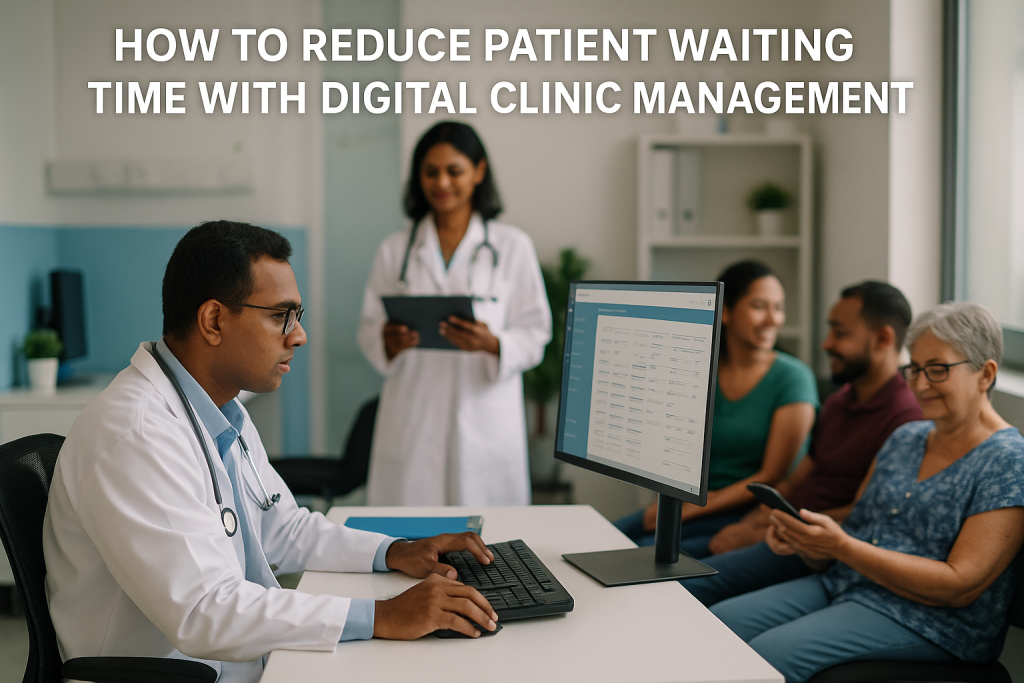
In the competitive landscape of healthcare in Sri Lanka, reducing patient waiting times is crucial for enhancing patient satisfaction and operational effectiveness. Digital Clinic Management Software, such as DocPP, offers innovative solutions for patient queue management, appointment scheduling, and comprehensive healthcare analytics, which are essential for modern healthcare providers aiming to improve their service delivery.
Understanding Patient Waiting Time
Understanding patient waiting time in Sri Lankan healthcare involves recognising the multifaceted causes that contribute to inefficiencies. Factors such as manual patient record management, cumbersome appointment scheduling processes, and limited queue oversight significantly affect waiting periods in private clinics and medical centres.
Improving patient queue management systems is vital for reducing wait times. By digitising workflows through advanced clinic management software, practitioners can automate appointment scheduling, ensuring that slots are optimally filled while minimising idle time. Tools integrated within systems like DocPP facilitate seamless communication between staff and enhance clinical documentation processes.
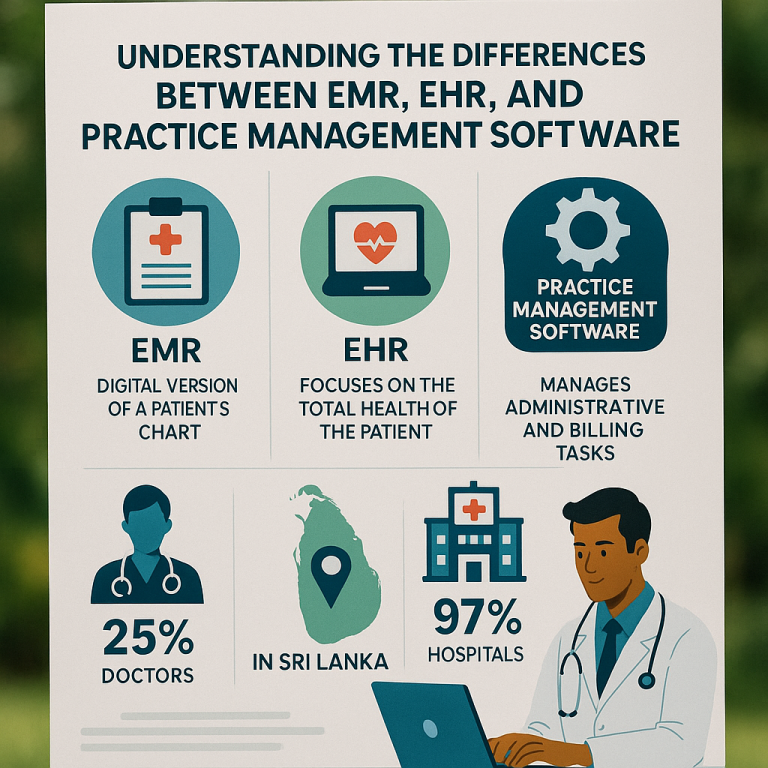
The digitisation of patient records via Electronic Medical Records (EMR) and Electronic Health Records (EHR) systems aids in streamlining patient care and documentation. In Sri Lankan practices, implementing an effective practice management tool can provide healthcare providers with timely insights into patient flow, enabling proactive decision-making.
Furthermore, adopting digital prescriptions reduces delays in medication issuance, allowing for a smoother transition from consultation to treatment. Integration with billing systems also enhances financial operations, ensuring that administrative tasks do not disproportionately consume healthcare provider time.
Utilising healthcare analytics equips doctors with essential data on patient trends, allowing for better resource allocation and operational efficiency. For example, specialists can identify peak hours in their clinics, helping to manage staff schedules effectively.
Ultimately, leveraging technology in healthcare operations not only improves patient experiences but also fosters a culture of efficiency among healthcare practitioners, contributing to overall enhancement in the quality of care delivered across Sri Lanka’s healthcare landscape.
The Role of Clinic Management Software
Clinic management software like DocPP plays a pivotal role in streamlining healthcare workflows for Sri Lankan doctors and clinics. By enhancing patient queue management and automating appointment scheduling, practices can significantly reduce patient waiting times and improve overall clinic efficiency.
Integrated features such as electronic medical records (EMR) and digital prescriptions minimise informational delays, ensuring that doctors have immediate access to patient data. This improves the quality of care and fosters better patient experiences, crucial for private clinics navigating increasing patient demands.
Private healthcare providers, including specialists and medical centres, can use such software to enhance practice management. Features like billing automation and clinical documentation support compliance with guidelines set by institutions like the Sri Lanka Medical Council, thus streamlining administrative tasks while highlighting the importance of healthcare digitisation.
Telemedicine capabilities offered by platforms such as DocPP also cater to the needs of modern patients, enabling remote consultations that can alleviate patient congestion at clinics. This is particularly relevant for rural areas of Sri Lanka, where access to specialist care may be limited.
Moreover, the analytics functionalities of such systems allow clinicians to track patient flow and identify bottlenecks. For instance, a medical centre using queue analytics may find that specific days are busier and can adjust staff schedules accordingly, optimising patient management.
In conclusion, adopting comprehensive clinic management software like DocPP not only reduces waiting times but supports the overall efficiency of private clinics and healthcare organisations in Sri Lanka. This alignment with digitisation initiatives leads to enhanced patient care—nurturing a healthcare experience that meets the evolving needs of the population.
Importance of Electronic Medical Records (EMR) and Electronic Health Records (EHR)
The adoption of Electronic Medical Records (EMR) and Electronic Health Records (EHR) is crucial in streamlining clinic operations in Sri Lanka. By converting patient records to digital formats, healthcare providers can access vital patient information instantly, improving clinical documentation. For example, a GP or specialist can quickly retrieve comprehensive medical histories during patient consultations, ensuring a more informed approach to care.
Moreover, effective patient queue management is significantly enhanced with EMR and EHR systems. Sri Lankan doctors can manage appointment scheduling and digital prescriptions through integrated functionalities, reducing wait times and enhancing patient satisfaction. With telemedicine capabilities, follow-up management becomes seamless, allowing healthcare professionals to consult with patients remotely, thus optimising resource utilisation in clinics.
Data analytics provided through these digital systems can empower healthcare administrators to analyse patient flow and operational efficiency, offering insights for continuous improvement. For private clinics, aligning with standardised healthcare practices set by entities like the Sri Lanka Medical Council ensures compliance and fosters trust in patient care. Ultimately, the incorporation of electronic records supports a digital transformation that aligns with the broader healthcare digitisation initiatives promoted by the Ministry of Health Sri Lanka.
Optimizing Appointment Scheduling
Optimizing appointment scheduling is crucial for reducing patient waiting time and enhancing clinic efficiency. In the Sri Lankan context, where healthcare facilities face varying demands, adopting comprehensive clinic management software can streamline the appointment process.
With tools like DocPP’s Clinical Management System, healthcare providers can automate scheduling to minimize overlaps and gaps, ensuring better time management. This is particularly relevant for private clinics and medical centres that often juggle multiple patients and complicated workflows.
Implementing effective patient queue management solutions can directly impact patient experience. For instance, utilizing digital platforms allows patients to receive notifications about their appointment status, reducing anxiety and improving satisfaction.
Furthermore, healthcare technology in Sri Lanka stands to benefit from enhanced data availability, allowing for precise tracking of scheduling patterns. This can lead to better resource allocation within clinics, ensuring that specialist consultations and general practice visits are optimally arranged.
By integrating appointment scheduling with EHR and clinical documentation features, healthcare providers can maintain accurate patient records. This interconnection not only aids in timely follow-up management but also supports efficient prescription processes and billing.
Ultimately, a well-optimized appointment system fosters a more productive clinic environment, permitting Sri Lankan doctors and healthcare workers to focus more on delivering quality patient care. Embracing technology as part of private practice management can yield significant benefits, providing insights into peak times and patient demographics while improving operational workflow across healthcare organisations.
Enhancing Patient Engagement
Enhancing patient engagement is crucial for modern healthcare delivery, particularly in Sri Lanka. By leveraging clinic management software, healthcare providers can significantly improve interaction levels. Digital tools allow patients to access their electronic health records (EHR), review appointment schedules, and receive timely reminders through mobile platforms.
Incorporating features of the DocPP Clinical Management System can streamline communication between doctors and patients, fostering a collaborative relationship. Simplified access to digital prescriptions and telemedicine capabilities further empower patients to manage their healthcare proactively, reducing anxiety and enhancing overall satisfaction.
Moreover, implementing a patient queue management system within clinics can help doctors manage waiting times effectively, keeping patients informed about their expected wait periods. Enhanced follow-up management tools enable timely communication, ensuring that patients feel valued and engaged in their care journey.
Healthcare analytics also play a vital role in understanding patient behaviour, preferences, and needs. By analysing patient data, clinics can tailor their services, offer targeted health education, and improve service delivery—further enhancing patient engagement and outcomes. This data-driven approach, rooted in the needs of the Sri Lankan healthcare context, can facilitate meaningful interactions between healthcare professionals and their patients.
Implementing Effective Medical Billing Solutions
Implementing effective medical billing solutions is crucial for improving patient flow and optimizing clinic operations. In the context of DocPP’s Clinical Management System, Sri Lankan healthcare providers can streamline billing processes by integrating billing functionalities within the overall patient management system. With features like automated billing and payment tracking, doctors can reduce administrative burdens, allowing them to focus more on patient care.
Healthcare entities in Sri Lanka, including private clinics and medical centres, can benefit significantly from digitised billing solutions. By automating the billing cycle—from order generation to payment collection—practitioners can ensure that billing discrepancies are minimized, enhancing patient satisfaction. Moreover, the interoperability of electronic medical records (EMR) and digital prescriptions means that billing can be processed faster, reducing the time patients spend waiting.
Training administrative staff to utilize DocPP’s user-friendly interface can further support effective billing practices. When combined with patient queue management and timely follow-up management, it fosters a seamless experience for both patients and providers. Incorporating digital billing solutions can be a transformative step towards achieving efficiency and improving the overall healthcare delivery narrative in Sri Lanka. Through innovative healthcare technology, clinics not only enhance financial performance but also contribute positively to the broader healthcare landscape.
Utilizing Healthcare Analytics
Utilising healthcare analytics is pivotal for improving patient care within Sri Lankan clinics. By systematically analysing patient data, healthcare providers can identify patterns that streamline processes like appointment scheduling and follow-up management. DocPP’s EMR capabilities allow clinics to assess patient flow, maximising time efficiency and reducing waiting periods.
For instance, by integrating patient queue management analytics, Sri Lankan doctors can identify peak consultation times and adjust staffing accordingly. Furthermore, leveraging healthcare analytics can enhance billing accuracy and reduce errors, contributing to robust private clinic software systems. This data-driven approach supports local healthcare entities, promoting informed decision-making and optimising clinical operations across the board.
Incorporating telemedicine solutions enriches patient experience by facilitating timely consultations, especially in urban areas where patients often face traffic delays. Moreover, DocPP’s analytics feature can provide insights into common patient demographics, enabling personalised communication and targeted health campaigns in collaboration with the Ministry of Health Sri Lanka and other private healthcare providers.
Facilitating a seamless exchange of data between laboratories, diagnostic centres, and clinics enhances clinical documentation accuracy, ultimately contributing to higher patient satisfaction. As Sri Lanka moves toward healthcare digitisation, embracing these analytical tools enables clinics to efficiently manage their practices while focusing on patient-centred care.
Ensuring Compliance and Data Security
In the context of Sri Lankan healthcare, adherence to data security regulations is paramount. Systems like DocPP, tailored for local doctors and clinics, facilitate compliance with the Sri Lanka Medical Council’s protocols while safeguarding patient records through robust encryption and access controls. This ensures secure management of electronic medical records (EMRs) and electronic health records (EHRs), which are vital to maintaining patient confidentiality.
By integrating patient queue management and appointment scheduling features, DocPP minimises the risk of patient data errors, bolstering compliance. Private clinic software must also align with the Ministry of Health Sri Lanka’s guidelines, ensuring that billing, digital prescriptions, and clinical documentation practices meet national standards and promote patient safety. Ongoing training in data management can enhance readiness in the face of technological advancements.
Furthermore, telemedicine functionalities within such systems contribute to data compliance by securely connecting doctors with patients. Understanding the regulatory landscape and implementing healthcare technology solutions fosters an environment where patient information is both accessible and protected, enhancing the overall healthcare experience in Sri Lanka while upholding stringent data security standards.
Future Trends in Healthcare Technology in Sri Lanka
The future of healthcare technology in Sri Lanka increasingly revolves around efficient digital solutions that can streamline clinical workflows. With the growing emphasis on patient-centric care, tools like Clinic Management Software have become vital in managing patient queues effectively and optimising appointment scheduling. The integration of Electronic Medical Records (EMR) and Electronic Health Records (EHR) in systems tailored for Sri Lankan doctors can facilitate quick access to comprehensive patient records, improving consultation efficacy.
Moreover, as the private healthcare sector expands, the importance of robust practice management software cannot be overstated. Solutions specifically designed for private clinics and specialists help manage clinical documentation and billing processes more efficiently. Leveraging healthcare analytics can deliver insights into patient flow and operational bottlenecks, allowing clinics to anticipate needs and enhance service delivery.
Adopting telemedicine capabilities within the digital clinic management framework is also becoming crucial. It enables health professionals to provide consultations remotely, diversify patient engagement, and reduce physical waiting times. Implementing such technologies aligns with the Ministry of Health Sri Lanka’s push for digital transformation, ensuring that local healthcare providers meet contemporary demands.
As the healthcare landscape continues to evolve, tools that support follow-up management will play a significant role in patient retention and satisfaction. With tailored software that caters specifically to the unique workflows of Sri Lankan healthcare, professionals can navigate the complexities of patient care more effectively, paving the way for improved health outcomes and operational efficiency.
Conclusions
In conclusion, implementing advanced Clinic Management Software is essential for Sri Lankan healthcare providers seeking to reduce patient waiting times. Technologies such as EMR, EHR, and telemedicine not only streamline operations but also enhance the overall patient experience. By leveraging these tools, clinics can effectively address the challenges of patient management and improve healthcare delivery.