Private clinics in Sri Lanka play a significant role in healthcare delivery, yet they face various challenges in management and operation. From inefficient patient scheduling to complex billing processes, the need for effective Private Clinic Management Sri Lanka is evident. This article delves into these challenges and explores how Healthcare Technology Sri Lanka, specifically through Practice Management Systems and Medical Administration Software, can provide solutions to enhance clinic performance and patient satisfaction.
1. Understanding the Challenges of Private Clinics in Sri Lanka
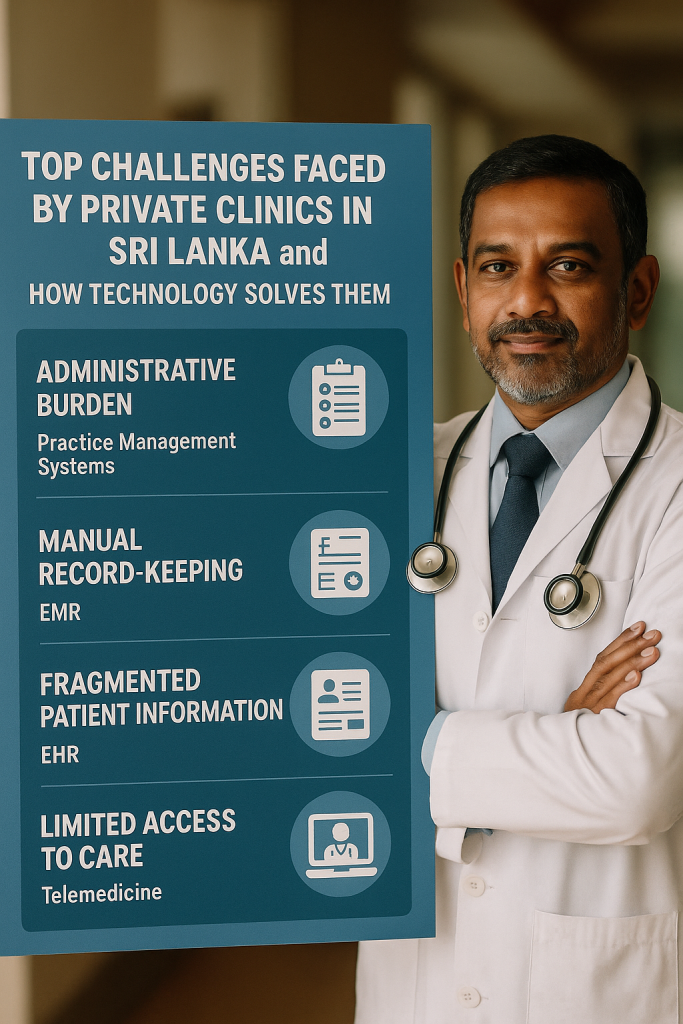
Private clinics in Sri Lanka face multiple challenges, including inefficient administrative processes, inadequate patient management systems, and compliance with regulatory requirements set by entities like the Ministry of Health. Many clinics struggle with maintaining accurate patient records, leading to potential medical errors and hindered continuity of care. Appointment scheduling often relies on manual methods, resulting in missed appointments and a lack of patient follow-up.
The need for a streamlined approach is evident, as many clinics still utilise paper-based systems for clinical documentation and billing, complicating workflows and reducing overall efficiency. Additionally, a significant gap exists in telemedicine capabilities, limiting clinics’ ability to adapt to modern patient needs, especially in remote areas.
Implementing a comprehensive clinic management system, such as DocPP, can address these issues effectively. By automating appointment scheduling, enhancing digital prescriptions, and ensuring seamless patient record management through EMRs and EHRs, clinics can improve operational efficiency. Furthermore, digital billing and healthcare analytics help clinics optimize their financial management while ensuring compliance with local healthcare standards.
Moreover, robust clinical management software facilitates telemedicine integration, allowing physicians to engage with patients remotely, complementing traditional practice. As such, embracing advanced technology in private clinic operations is crucial for enhancing patient care and meeting the evolving demands of the Sri Lankan healthcare landscape.
2. The Role of Practice Management Systems
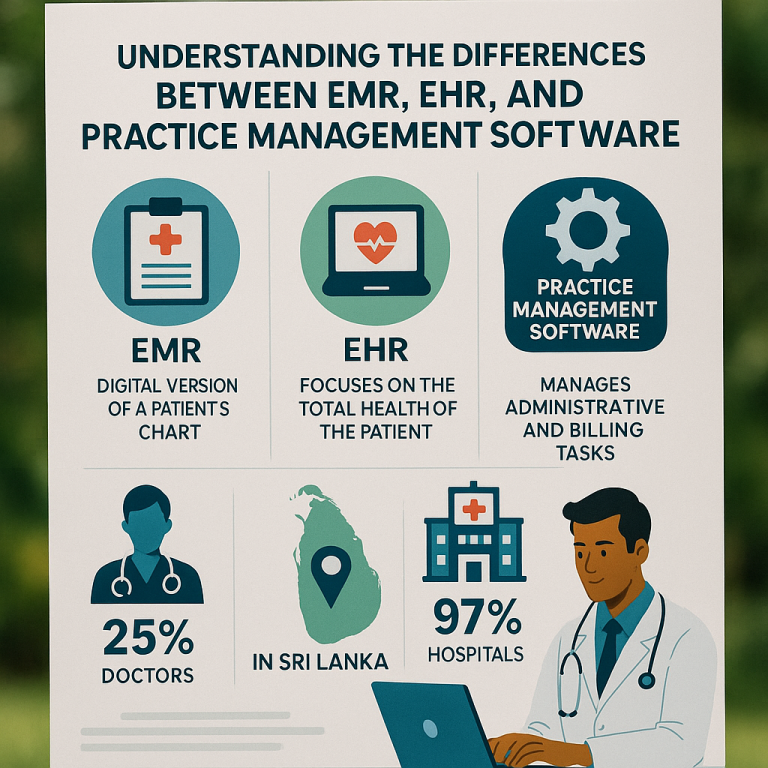
The implementation of Practice Management Systems (PMS) like DocPP is crucial for the efficient operation of private clinics in Sri Lanka. These systems streamline various administrative processes, enabling healthcare providers to focus more on patient care rather than paperwork. Key functionalities include Electronic Medical Records (EMR) that maintain comprehensive patient histories, appointment scheduling tools that reduce no-shows, and billing systems that simplify claims management.
For instance, a specialist clinic in Colombo utilizing DocPP can manage patient records efficiently, ensuring seamless access to treatment histories, thereby enhancing diagnostic accuracy. Telemedicine features allow practitioners to consult with patients remotely, which is particularly beneficial in a country with varying levels of urban access. This not only fosters patient engagement but also maximizes the clinic’s operational capacity.
Moreover, healthcare analytics integrated within DocPP’s framework provide invaluable insights into practice performance, helping doctors make data-informed decisions that improve service delivery. Follow-up management tools enhance continuity of care, ensuring patients receive necessary follow-up consultations or tests. By embracing these advanced clinic software solutions, Sri Lankan doctors can adapt to evolving healthcare demands while streamlining their clinical and administrative workflows.
3. Enhancing Patient Interaction with Clinic Software Solutions
In Sri Lanka, enhancing patient interaction through adept clinic software solutions like DocPP is pivotal for optimising healthcare delivery. Such systems seamlessly integrate appointment scheduling and digital prescriptions, allowing for a smoother patient experience. For instance, patients can receive timely reminders for appointments via SMS or email, thus reducing no-show rates and improving clinic efficiencies. This level of accessibility not only cultivates trust but also encourages patient engagement, leading to better adherence to medical advice and treatments.
Furthermore, the utilisation of electronic medical records (EMR) within the DocPP system allows doctors to share comprehensive patient histories across various healthcare settings, enhancing collaborative care. By streamlining clinical documentation, healthcare professionals can focus more on patient interactions rather than administrative tasks. For example, a specialist may easily access a patient’s previous visits, making informed decisions and providing personalised care during consultations.
Telemedicine capabilities also foster improved patient interaction, especially for those in remote areas of Sri Lanka who might find it challenging to visit clinics regularly. This not only promotes inclusivity but also supports continuity of care, essential for managing chronic conditions. Moreover, the incorporation of healthcare analytics in systems like DocPP enables practitioners to analyse patient outcomes and satisfaction, providing insights that can lead to improved service delivery and patient experiences.
As the Sri Lankan healthcare landscape increasingly shifts towards digitisation, the importance of adopting these technologies cannot be understated. Private clinics can greatly benefit by investing in comprehensive clinic management systems that facilitate efficient patient management. By prioritising these technological advancements, healthcare providers are better positioned to enhance interactions, ultimately leading to improved patient satisfaction and outcomes across the board.
4. The Revolution of Electronic Medical and Health Records
The evolution of electronic medical records (EMR) in Sri Lanka represents a pivotal shift towards efficient healthcare management in private clinics. By implementing comprehensive clinical management systems like DocPP, healthcare providers can streamline workflows and optimise patient care. EMRs enhance data accuracy, enabling Sri Lankan doctors to track patient histories effortlessly, which is crucial for services at clinics, specialists, and medical centres.
Data from the Ministry of Health Sri Lanka indicates that proper documentation improves compliance and reduces errors in medical administration, allowing practitioners to focus more on patient welfare rather than paperwork. The application of electronic health records (EHR) improves appointment scheduling and follow-up management, ensuring patients receive timely care and reminders, thus enhancing overall healthcare delivery.
Moreover, digital prescriptions generated through EMRs significantly reduce the risks associated with handwritten notes, ensuring clarity in medication management while safeguarding against adverse drug interactions. This is particularly beneficial in a landscape where patients often consult multiple specialists across various clinics. Telemedicine functionalities integrated within platforms like DocPP provide a means for remote consultations, further broadening access to healthcare services in rural areas of Sri Lanka.
The analytical capabilities of advanced clinic software solutions facilitate better resource management and operational efficiency. By leveraging healthcare analytics, clinics can identify trends in patient visits, service utilisation, and financial performance, allowing for informed decision-making that aligns with the evolving demands of the healthcare sector. This data-driven approach not only improves practice management but also positions private clinics competitively within a growing digital landscape. Embracing these technological innovations is essential for Sri Lankan healthcare providers as they navigate the complexities of modern medical administration.
5. Medical Billing and Financial Management Challenges
Medical billing and financial management present significant challenges for private clinics in Sri Lanka, where complex regulations and varying patient insurance plans complicate revenue cycle management. Many clinic administrators struggle with manual billing processes, leading to errors and delays in reimbursements. This not only affects cash flow but can also result in strained relationships with patients who face unexpected costs.
Implementing advanced clinic software solutions, such as the DocPP Clinical Management System, can simplify billing through streamlined features that automate invoicing and generate accurate financial reports. By integrating patient management functions—such as appointment scheduling and digital prescriptions—into billing workflows, clinics can ensure that charges correlate directly with services rendered. Additionally, the system can assist in tracking outstanding payments and follow-up management, thus reducing the administrative burden on healthcare staff.
Furthermore, the Sri Lankan Ministry of Health encourages healthcare digitisation, which aligns with the need for robust medical administration software. Such technology enhances compliance with health regulations while ensuring transparency in financial practices, promoting trust among patients. As private healthcare providers address these challenges, the adoption of an effective practice management system becomes increasingly critical for fostering efficient operations and improving overall patient satisfaction.
6. Leveraging Telemedicine and Digital Prescriptions
Telemedicine and digital prescriptions represent significant advancements in private clinic management in Sri Lanka, enhancing the efficiency of patient care and ensuring continuity of healthcare delivery. With the rise of technology, clinics can now leverage telemedicine solutions to provide remote consultations, dramatically improving access for patients in rural or underserved areas. Such services allow doctors to conduct appointments virtually, reducing the need for physical visits and streamlining patient flow.
In the context of Sri Lankan healthcare practices, platforms like DocPP facilitate the integration of telemedicine by connecting patients and practitioners effortlessly. This is especially beneficial for specialists based in urban centres, who can extend their services to patients in remote locations. Additionally, the use of digital prescriptions minimizes the risk of errors associated with handwritten notes, ensuring patients receive accurate medication regimens swiftly.
The implementation of an integrated practice management system, such as DocPP, allows clinics to manage appointment scheduling and patient records effectively. Healthcare providers can track consultations, manage follow-ups, and access vital patient information seamlessly, enhancing overall clinic operations. Furthermore, healthcare analytics can provide valuable insights into patient engagement and treatment effectiveness, fostering a more responsive healthcare environment.
As Sri Lanka advances towards a digitised healthcare ecosystem, it is crucial for private clinics to adopt these technologies. Embracing telemedicine not only aligns with global healthcare paradigms but also satisfies the demands of a tech-savvy patient base. For practitioners, it brings operational ease, efficiency in medical administration, and improved patient satisfaction—all essential in a competitive healthcare landscape. As private clinics continue to evolve, the return on investment from telemedicine and digital prescriptions will be pivotal in addressing the challenges faced by healthcare providers in Sri Lanka.
7. Healthcare Digitisation: The Future of Private Clinics
As Sri Lanka embraces healthcare digitisation, private clinics are increasingly adopting advanced clinic software solutions to enhance their practice management. The integration of clinical management systems, like DocPP, offers streamlined workflows by digitalising patient records and enabling easy access to electronic medical records (EMR) and electronic health records (EHR). This not only improves the efficiency of appointment scheduling and billing but also supports seamless communication between healthcare providers and patients.
Utilising medical administration software within these systems enhances the management of clinical documentation and follow-up processes. For instance, Sri Lankan doctors can generate digital prescriptions directly, reducing errors and improving patient compliance. Moreover, the inclusion of telemedicine capabilities allows clinics to reach patients in remote areas, thus expanding their service coverage and improving healthcare accessibility.
Healthcare analytics integrated into practice management systems provide clinics with critical insights into patient demographics and treatment outcomes. This data can inform decisions in Sri Lanka’s private healthcare sector, driving improvements in service delivery. Overall, as clinics adapt to these technologies, they not only enhance operational efficiencies but also contribute to the broader digitisation efforts supported by the Ministry of Health Sri Lanka.
8. Case Study: DocPP Clinical Management System
The DocPP Clinical Management System exemplifies an effective response to the operational complexities faced by private clinics in Sri Lanka. Designed with local healthcare workflows in mind, it streamlines critical processes such as electronic medical records (EMR) and electronic health records (EHR), ensuring comprehensive patient information management.
In a typical Sri Lankan GP practice, time spent on appointment scheduling and follow-up management can hinder patient care. DocPP’s integrated systems enhance these tasks, facilitating easier appointment management and optimising patient flow. By digitising clinical documentation, healthcare providers can maintain accurate and easily accessible patient records, which is essential in a fast-paced environment.
Moreover, the telemedicine feature supports continuity of care, especially for specialists operating in multiple locations or during public health challenges. This aspect aligns well with the Ministry of Health’s initiatives to promote accessible healthcare services across the island.
Billing processes also benefit from automation, reducing administrative overhead. Accurate billing not only helps in financial management but also fosters transparent communication between clinics and patients, which is vital for sustaining trust and compliance.
Furthermore, healthcare analytics provided by systems like DocPP can reveal insights into patient demographics, treatment outcomes, and operational efficiencies. Such analytics empower clinics to make data-driven decisions, enhancing service delivery in a competitive private healthcare market.
Finally, the integration of medical administration software within DocPP supports the management of referral pathways, improving collaboration among healthcare entities, including laboratories and diagnostic centres, thereby enriching patient care.
9. Importance of Healthcare Compliance and Data Security
Healthcare compliance and data security are paramount concerns for private clinics in Sri Lanka, particularly as healthcare digitisation accelerates. With the implementation of electronic medical records (EMR) and electronic health records (EHR), clinics must safeguard patient data against potential breaches, especially when integrating digital prescriptions and appointment scheduling systems.
Regulatory bodies like the Sri Lanka Medical Council emphasise adherence to compliance standards, and healthcare administrators must ensure that their practice management systems meet these regulations. In deploying software solutions such as DocPP, clinics enhance their capacity to manage clinical documentation, follow-up management, and billing while maintaining rigorous security protocols that protect sensitive patient records.
With increasing cyber threats, implementing robust medical administration software is crucial for ensuring that data encryption and access controls are in place. Clinics can also utilise healthcare analytics to monitor access logs, identifying unusual activities that may indicate security vulnerabilities. By integrating telemedicine features responsibly, clinics can enhance patient engagement while ensuring compliance with relevant regulations.
Ultimately, a focus on healthcare compliance and data security not only protects patient information but also builds trust with patients and reinforces professional credibility. For Sri Lankan private practices, leveraging a compliant clinical management system like DocPP can serve as a significant step toward achieving these goals, ensuring efficient clinic operations while prioritising patient safety and data integrity.
10. Conclusion: Embracing Technology for Improved Healthcare Delivery
Embracing technology in private clinics is vital for improving healthcare delivery in Sri Lanka. Clinical management systems, like DocPP, streamline administrative tasks and enhance patient management. By digitising patient records and enabling efficient appointment scheduling, practices minimise operational inefficiencies. Advanced features such as digital prescriptions and healthcare analytics facilitate data-driven decisions, ultimately elevating patient care quality.
With the Ministry of Health’s emphasis on healthcare digitisation, implementing medical administration software helps clinics comply with regulatory standards while improving workflow integration. Telemedicine options broaden access to specialist care, catering to patients in remote areas. Adopting a practice management system like DocPP transforms how Sri Lankan healthcare providers engage with patients, fostering an environment focused on quality and efficiency.
Moreover, the integration of electronic health records (EHR) enhances communication among healthcare professionals, reducing errors associated with paper records. Follow-up management features ensure continuity of care by systematically tracking patient interactions and treatments, which is crucial for chronic disease management. As private clinics navigate the complexities of healthcare provision, leveraging technology through comprehensive clinical management systems signifies a forward-thinking approach.
Ultimately, the embrace of these advanced solutions is not merely about keeping pace with global trends; it’s about transforming healthcare delivery in Sri Lanka to be patient-centric, efficient, and resilient in the face of evolving challenges. Adopting such technologies lays a robust foundation for a more connected, efficient, and patient-focused healthcare system.
Conclusions
The integration of technology within private clinics is not just a luxury; it is increasingly necessary for enhanced management and quality patient care. By leveraging options like DocPP and other healthcare technologies, clinics in Sri Lanka can effectively address operational challenges, improve patient satisfaction, and ensure compliance with regulations, thus fostering a more resilient healthcare environment.