As healthcare digitisation accelerates globally, Sri Lankan doctors face immense pressure to modernise their private practices. The timely adoption of an Electronic Medical Records (EMR) system is critical for improving patient care, ensuring compliance, and enhancing operational efficiency. This article delves into the necessity, benefits, and implementation of a Clinical Management System, tailored specifically for Sri Lankan healthcare providers.
Understanding EMR and EHR: Foundations of Modern Healthcare
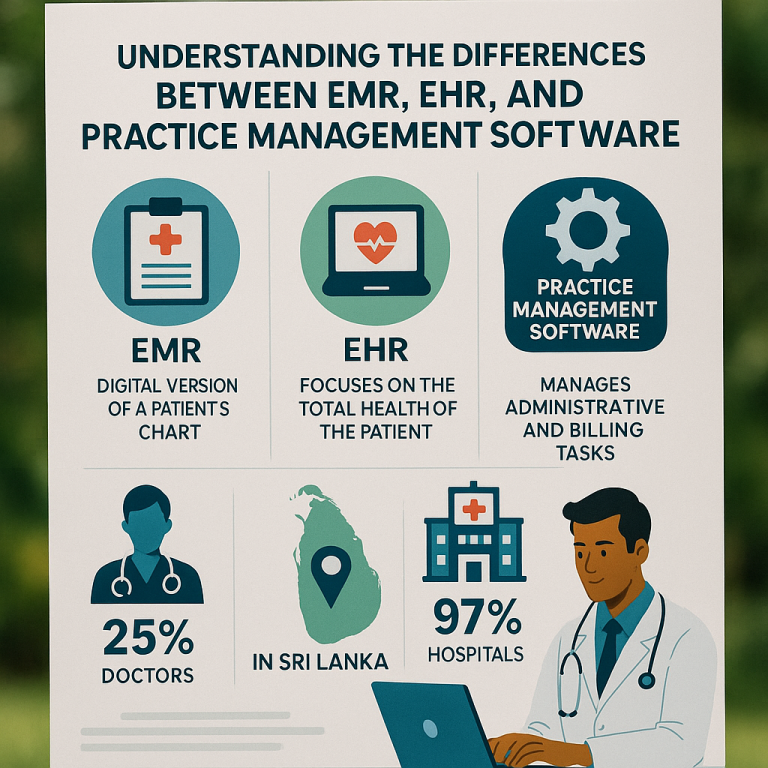
Understanding EMR (Electronic Medical Records) and EHR (Electronic Health Records) is fundamental for Sri Lankan healthcare providers aiming to optimise patient care. These digital systems facilitate efficient clinical documentation and patient record-keeping, streamlining workflows in private practices and clinics. By digitising patient records, doctors can ensure accuracy and accessibility, crucial for effective healthcare delivery.
The integration of cloud-based systems, such as DocPP, supports Sri Lankan doctors in managing appointments, telemedicine consultations, and digital prescriptions. These capabilities enhance patient management processes, allowing for seamless communication between healthcare professionals, laboratories, and diagnostic centres. Efficient follow-up management becomes achievable, fostering improved patient outcomes.
As part of healthcare digitisation initiatives led by the Ministry of Health Sri Lanka, adopting EMR and EHR systems can significantly reduce administrative burdens and mitigate the risks of data loss inherent in paper-based records. This transition not only modernises private practice management but also aligns with global healthcare standards, ultimately benefiting patients and providers alike.
Healthcare analytics within EMR systems can provide invaluable insights into patient trends and operational efficiencies, guiding clinical decision-making. For Sri Lankan doctors, leveraging these systems can enhance practice management and facilitate adherence to regulatory guidelines established by the Sri Lanka Medical Council.
Ultimately, the evolution of healthcare delivery in Sri Lanka hinges on the acceptance and implementation of clinical management systems, allowing for an agile response to patient needs while promoting a culture of continuous improvement in medical practices. Embracing these technologies is no longer an option but a necessity for evolving healthcare landscapes.
Benefits of a Clinical Management System for Sri Lankan Doctors
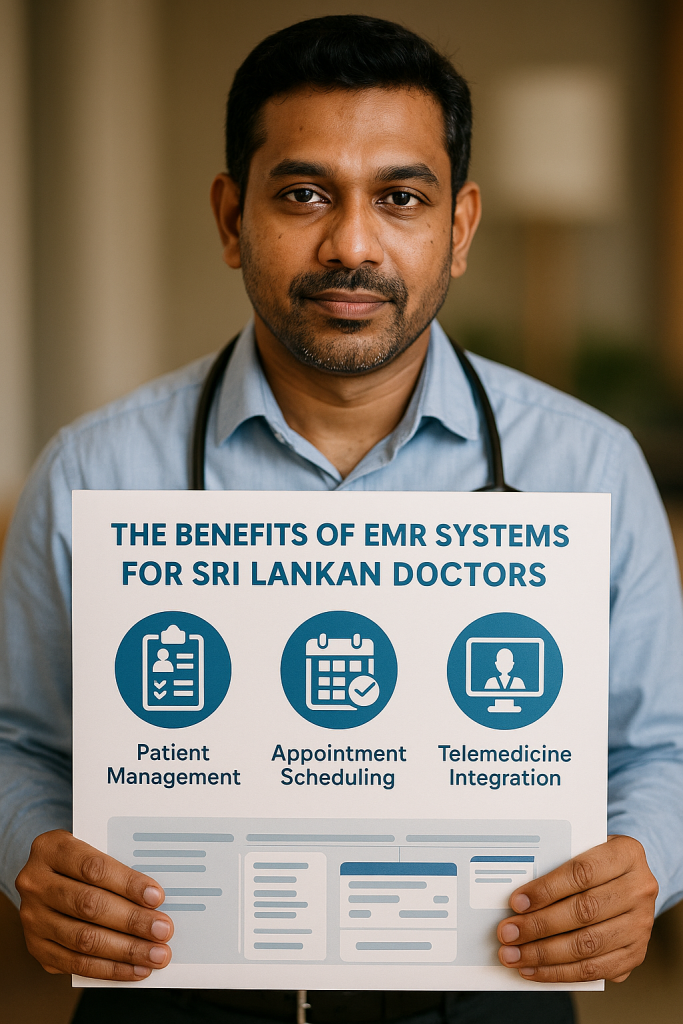
The implementation of a Clinical Management System like DocPP in private practices can significantly enhance patient care and operational efficiency for Sri Lankan doctors. By digitising patient records, practitioners can streamline appointment scheduling, manage billing processes, and maintain clinical documentation, all while ensuring compliance with national healthcare standards set forth by the Ministry of Health Sri Lanka.
Practices stand to benefit from improved follow-up management through automated reminders, leading to better patient adherence to treatment plans. Moreover, the integration of telemedicine features allows for remote consultations, which is particularly relevant in the context of ongoing healthcare digitisation initiatives. This facilitates access to specialists within urban centres from rural areas, bridging significant healthcare delivery gaps.
Healthcare analytics embedded in systems like DocPP enable practitioners to assess patient demographics and treatment outcomes. This data-driven approach can lead to refined medical interventions, enhancing both service quality and practice management. As the landscape evolves, embracing such technology becomes essential for Sri Lankan healthcare providers aiming to offer comprehensive care while improving operational workflows, ultimately advancing the standard of healthcare delivery in the country.
The Role of Cloud-Based Solutions in Healthcare
Cloud-based Clinical Management Systems are transforming healthcare by enabling Sri Lankan doctors to streamline their practice operations while enhancing patient care. DocPP serves as an effective digital tool that integrates essential functionalities like Electronic Medical Records (EMR), appointment scheduling, and billing within a single platform.
By adopting a cloud-based solution, healthcare professionals can access patient records securely from anywhere, facilitating telemedicine consultations and follow-up management. This flexibility is crucial for private clinics and medical centres aiming to improve service delivery.
Healthcare analytics provided by systems like DocPP can assist in identifying trends and outcomes, encouraging data-driven decisions that enhance treatment protocols. For Sri Lankan doctors, leveraging such technology is not merely a trend but an urgent necessity for effective practice management.
Moreover, digitisation initiatives promoted by the Ministry of Health highlight the importance of integrating clinical documentation and digital prescriptions into routine workflows, aligning local healthcare practices with global standards. To optimise patient management, healthcare professionals should consider utilising these cloud-based clinical management solutions to facilitate seamless operations within their clinics.
Incorporating such systems can greatly improve administrative efficiency, allowing healthcare providers to focus more on patient care rather than administrative burdens, ultimately leading to better health outcomes for the Sri Lankan population.
Streamlining Clinical Workflow Management
In the evolving landscape of Sri Lankan healthcare, adopting a Clinical Management System like DocPP can significantly enhance clinical workflow management. This system streamlines processes such as patient records, appointment scheduling, and clinical documentation, leading to improved efficiency in private practices.
With DocPP, Sri Lankan doctors can leverage cloud-based functionalities to ensure that patient data is accessible and secure. This feature is essential for practices handling sensitive information, allowing healthcare professionals to manage digital prescriptions and patient follow-up remotely and efficiently.
Moreover, integrating healthcare analytics within the DocPP system enables better insights into practice management, fostering evidence-based decision-making. Doctors can track patient outcomes and streamline billing operations, thus optimising the financial viability of their practices whilst improving patient care quality.
As the Sri Lanka Medical Council and the Ministry of Health advocate for digitisation, implementing such systems aligns with national healthcare strategies. By transitioning from paper-based methods to sophisticated software solutions, healthcare providers can enhance their operational workflows, ultimately benefiting patient health outcomes.
Utilising DocPP in clinical environments encourages collaboration among specialists, general practitioners, and allied health services. This interconnected system facilitates efficient referrals and communications, essential in a diversified healthcare system and pivotal for patient management in a multi-specialty scenario.
Patient Engagement and Digital Prescriptions
Implementing EMR systems like DocPP enables Sri Lankan doctors to enhance patient engagement through digital prescriptions. By utilising a cloud-based Clinical Management System, practices can manage patient records, schedule appointments, and document clinical encounters more efficiently. This transition supports better communication, allowing patients to receive prescriptions electronically, reducing errors and streamlining follow-up management. Sri Lankan GPs and specialists benefit from a seamless integration of clinical documentation and billing processes, which contributes to improved healthcare delivery. Emphasising patient engagement leads to greater satisfaction and adherence to treatment plans, essential in private practices and clinics across the country.
Navigating Healthcare Compliance in Sri Lanka
The effective implementation of Electronic Medical Records (EMR) systems like DocPP in Sri Lanka is crucial for ensuring compliance with healthcare regulations and improving patient care. Navigating healthcare compliance requires adherence to guidelines set by the Ministry of Health and the Sri Lanka Medical Council, which underscores the importance of accurate patient records and documentation.
Doctors in private practice can leverage cloud-based solutions such as DocPP to manage clinical documentation seamlessly. Such systems facilitate not only secure data storage but also enable real-time access to vital health information, aligning with local healthcare workflows and enhancing operational efficiency.
Adopting a Clinical Management System (CMS) helps private clinics streamline appointment scheduling, billing processes, and digital prescriptions, thereby minimising errors and improving patient interactions. Compliance is further supported by automated reminders for follow-ups, ensuring that patient care standards are consistently met.
Moreover, integrating telemedicine into the practice management framework allows Sri Lankan doctors to extend their services to patients in remote areas while complying with regulations on virtual consultations. This is particularly beneficial during health crises, where access to care is critical.
Healthcare organisations can utilise analytics from DocPP to track compliance metrics, assessing their performance against established benchmarks. Achieving such insights ensures that practices not only meet regulatory demands but also improve overall quality of care delivered to patients.
Ultimately, embracing a comprehensive Clinical Management System like DocPP is essential for private healthcare providers in Sri Lanka to navigate compliance efficiently. It positions them for success in an evolving digital landscape, ultimately facilitating enhanced healthcare delivery across the nation.
Healthcare Analytics: Making Data Work for You
As Sri Lankan doctors increasingly adopt clinical management systems, the integration of healthcare analytics into EMR systems like DocPP presents a transformative opportunity. By leveraging analytics, practitioners can utilise patient records to derive actionable insights, enhancing clinical decision-making and operational efficiency.
Utilising cloud-based technology allows for real-time data access, facilitating timely interventions across private practices and specialty clinics. For example, monitoring appointment trends through analytics can optimise scheduling, ensuring no gaps affect patient flow, crucial in bustling environments like Colombo.
Moreover, analytics can spotlight patterns in patient care, aiding in electronic prescription efficacy or follow-up management. By employing such analytical frameworks, Sri Lankan healthcare entities can align with the Ministry of Health’s digitisation initiatives, fostering a data-driven culture and improving care delivery.
Practitioners should consider implementing these analytical tools within a comprehensive clinical management system to enhance both practice management and patient management in their settings, ultimately aiming for better health outcomes across the communities they serve.
Overcoming Operational Challenges with EMR Systems
In the Sri Lankan healthcare landscape, where transitional challenges persist, implementing an EMR system like DocPP can streamline clinic operations. This cloud-based Clinical Management System aids in patient records management, effectively addressing issues such as appointment scheduling, digital prescriptions, and billing.
By leveraging features such as telemedicine and clinical documentation, Sri Lankan doctors can enhance healthcare delivery while improving workflow efficiency. For instance, local clinics can utilise healthcare analytics to identify treatment patterns, allowing practitioners to deliver more personalised care in accordance with guidelines set by the Ministry of Health Sri Lanka.
Moreover, effective follow-up management within this system minimises patient drop-off, ensuring continuity of care. Private healthcare providers can further benefit from seamless integration with diagnostic centres and laboratories, which boosts the accuracy of patient data reported in real time.
As practitioners transition to digital systems, engagement in training and support for staff is crucial. Emphasising understanding EMR functionalities will maximize technology investment, ultimately contributing to better healthcare outcomes and operational efficiency. Additionally, Sri Lankan doctors must advocate for policy support from the Sri Lanka Medical Council to promote healthcare digitisation, fostering a more resilient healthcare system.
Conclusions
The transition to a Clinical Management System is not just timely but essential for Sri Lankan doctors seeking to enhance their practice in today’s digital age. By adopting an EMR system, healthcare providers can improve patient management, ensure compliance with regulations, and ultimately deliver higher quality care to their patients.