In the rapidly evolving landscape of healthcare in Sri Lanka, appointment management software has emerged as a pivotal tool in enhancing patient satisfaction. With the integration of technologies like electronic medical records (EMR) and patient engagement platforms, healthcare providers, including clinics and specialists, are increasingly adopting solutions such as the DocPP Clinical Management System. This article explores the multifaceted benefits of appointment scheduling software in boosting the patient experience while addressing the operational challenges faced by healthcare providers.
The Importance of Patient Experience in Healthcare
The importance of patient experience in healthcare cannot be overstated, especially within the Sri Lankan context where healthcare delivery is evolving significantly. As healthcare providers face the challenges of rising expectations from patients, integrating effective clinic management solutions becomes essential. A key component of this transformation is appointment management software, which plays a crucial role in enhancing the patient experience.
In Sri Lanka, the patient journey often begins long before they step into a clinical facility. Patients frequently seek medical attention through recommendations from friends, family, or online searches, which emphasises the need for clear and efficient appointment systems that facilitate this transition. An effective doctor appointment system allows patients to easily schedule visits and manage their appointments, reducing wait times and ensuring that they receive timely care. Such systems contribute to a smoother workflow for clinicians and a more satisfactory experience for patients.
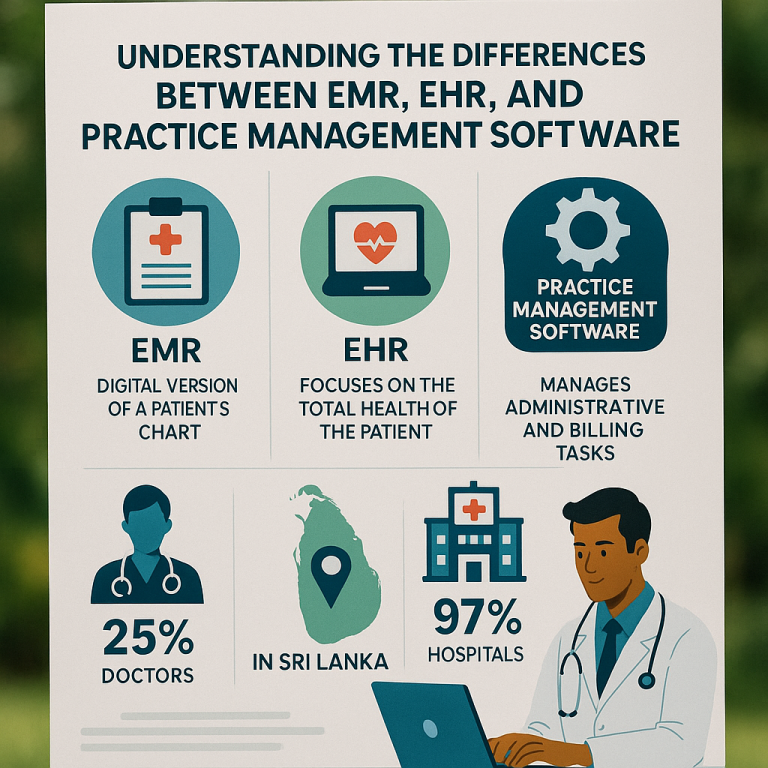
In modern healthcare, the shift towards digitisation is a defining feature of clinical management systems. Software such as electronic medical records (EMR) and electronic health records (EHR) enables practitioners to keep comprehensive and easily accessible patient records, which is critical for informed decision-making. For Sri Lankan doctors and clinics, adopting a clinical management system that incorporates these functionalities ensures that care is both efficient and personalized. This is especially important in a private practice setting where patient volumes may be high and time is of the essence.
DocPP’s alignment with Sri Lankan healthcare workflows exemplifies how local practices can benefit from digital solutions tailored to meet specific needs. By integrating appointment scheduling, billing, and clinical documentation into one cohesive platform, practitioners can streamline their operations and focus on patient care rather than administrative burden. Patients, in turn, enjoy the convenience of digital prescriptions and follow-up management, which can significantly contribute to their overall satisfaction.
Moreover, healthcare analytics play a vital role in understanding patient behaviour and clinic performance. By analysing appointment data and patient feedback, healthcare providers can identify areas for improvement, leading to enhanced operational efficiencies. For instance, if a specific time slot frequently sees no-shows, adjustments can be made to offer alternative scheduling options or reminders, thereby minimizing wasted resources.
In the context of Sri Lanka’s healthcare digitisation initiatives, the Ministry of Health has recognised the importance of adopting technology to improve service delivery. Encouraging private healthcare providers to implement robust clinic management software not only improves individual practice operations but also elevates the overall standard of care across the healthcare system.
As communities become more health-conscious, the integration of telemedicine into routine healthcare practices further enhances patient experience. Sri Lankan patients can consult with specialists even from remote locations, which is particularly beneficial given the geographical diversity of the country. Through effective patient management and communication tools featured in systems like DocPP, healthcare providers can also maintain a higher level of connection and trust with their patients, enhancing adherence to treatment plans and follow-ups.
In conclusion, while the journey of digitising healthcare in Sri Lanka is ongoing, the emphasis on improving patient experience remains paramount. By leveraging appointment scheduling software and comprehensive clinic management systems, doctors and healthcare administrators can create a more patient-centric approach, ultimately fostering greater satisfaction and loyalty among patients. The fusion of technology and healthcare is not merely a trend but a vital component of future-proofing healthcare services in the country.
What is Appointment Scheduling Software?
Appointment scheduling software is a critical component of contemporary healthcare management, particularly in Sri Lanka, where the efficiency of clinic operations can significantly impact patient satisfaction. This software serves as a cornerstone for medical practitioners, streamlining the appointment process and enhancing overall patient experience. Key functionalities of appointment scheduling systems, such as DocPP, encompass not only time slot management but also integration with electronic medical records (EMR) and electronic health records (EHR), contributing to improved patient care.
In Sri Lankan healthcare settings, where a growing number of doctors are transitioning to digitised practices, effective scheduling software enables clinics to manage patient appointments with higher accuracy. For instance, doctors can optimise their schedules based on patient volume trends and clinic hours, thereby minimising wait times. This optimisation is particularly vital in busy urban practices and channeling centres, where the flow of patients can be unpredictable. By accurately assigning time slots and allowing patients to book appointments online, practices reduce the chances of overbooking or underutilising resources.
Moreover, the integration of appointment scheduling software with clinical management systems enhances the overall patient journey. For example, when a patient books an appointment, their data can instantly populate their health records, ensuring that doctors have access to accurate information about prior visits, treatments, and prescriptions. This seamless connection between patient records and scheduling not only elevates the efficiency of medical consultations but also empowers doctors to deliver personalised care tailored to each patient’s medical history.
In Sri Lanka, where digitisation in healthcare is progressively embraced, features like digital prescriptions and automated reminders further enhance the appointment scheduling experience. By sending reminders through SMS or email about upcoming appointments, clinics can significantly reduce no-show rates, which is a common challenge in many private practices. This practice not only conserves resources but also fosters a culture of punctuality among patients, resulting in enhanced operational efficiency.
Furthermore, follow-up management becomes streamlined with the integration of appointment systems. After consultations, practitioners can use the software to schedule follow-up visits, ensuring that patients continue receiving the care they require. This capability is especially crucial in managing chronic conditions, where regular monitoring and timely appointments can lead to significantly better health outcomes.
The role of healthcare analytics in appointment scheduling cannot be overlooked. By analysing data on patient flow, waiting times, and appointment patterns, clinics can derive insights that inform better decision-making. Practices can identify peak times, optimise staffing solutions, and adjust operating hours to meet patient demand more effectively. For healthcare administrators, the ability to leverage this analytical data within systems like DocPP represents a significant step towards more proactive and responsive practice management.
In summary, appointment scheduling software exemplifies an essential aspect of clinic management solutions that can lead to substantial improvements in patient experience within the Sri Lankan healthcare context. As more healthcare providers adopt these digital tools, the potential for refined workflows and enhanced patient interactions is evident. By embracing innovations that facilitate rapid and convenient appointment management, Sri Lankan doctors can not only increase operational efficiency but also lay the groundwork for a more patient-centric approach to healthcare delivery.
Enhancing Patient Management Through Digital Solutions
The digital transformation of Sri Lanka’s healthcare landscape is increasingly rooted in the effective utilisation of appointment management software. As healthcare providers at various clinics, specialists, and medical centres strive to enhance patient satisfaction, solutions like DocPP Clinical Management System stand out by addressing the multifaceted challenges related to patient management and appointment scheduling.
In Sri Lanka, where patient load and operational demands on healthcare professionals are high, the adoption of a robust appointment scheduling system is essential. Such systems streamline the booking process, reducing administrative workloads for staff while ensuring that doctors can focus more on patient care. A well-implemented appointment management feature within a clinical management system can greatly minimise the risk of scheduling conflicts that often lead to patient dissatisfaction. For instance, consider a general practitioner in Colombo who uses DocPP to manage their appointments. With an integrated system, patients can effortlessly schedule, reschedule, or cancel appointments, thereby enhancing the overall patient experience.
Emphasising the importance of patient experience, healthcare software within the context of Sri Lanka facilitates an effective exchange of information. Electronic Medical Records (EMR) and Electronic Health Records (EHR) play a crucial role in centralising patient data, ensuring that pertinent health information, including medical history and current medications, are readily accessible during consultations. This digital synergy not only enhances the consultation efficiency but significantly contributes to informed treatment decisions, ultimately fostering a positive relationship between healthcare providers and patients.
With the growing trend of telemedicine, the integration of a doctor appointment system with telehealth capabilities further improves patient satisfaction. Patients in rural areas of Sri Lanka, who may face geographical barriers to accessing healthcare, can benefit from digital prescriptions and remote consultations. By leveraging healthcare software that supports telemedicine, clinics can expand their reach and provide timely healthcare services, which is especially crucial in emergency situations.
Effective follow-up management is another vital component of patient care. With tools that allow for automated reminders for follow-up appointments or check-ups, healthcare providers can enhance adherence to treatment plans. For example, a clinic in Kandy implementing such systems can ensure that patients return for necessary tests or consultations, thereby improving health outcomes and fostering long-term patient loyalty.
Moreover, incorporating healthcare analytics into clinic management software equips healthcare administrators with insights that can drive operational improvements. By analysing appointment patterns, patient demographics, and service utilisation rates, clinics can optimise their resources and tailor services to better meet the needs of their patient populations. For instance, understanding peak appointment times allows clinics to adjust staffing levels appropriately, cutting down on wait times and enhancing the patient care experience.
The collaborative efforts of healthcare software solutions like DocPP and the initiatives laid out by institutions such as the Ministry of Health Sri Lanka and the Sri Lanka Medical Council further support these advancements. As digitalisation trends continue to evolve, Sri Lankan healthcare providers will have to adapt to these changes, embracing technologies that bridge the gap between operational efficiency and patient satisfaction.
Overall, by embracing the full scope of digital solutions inherent in clinical management systems, Sri Lankan healthcare professionals can not only improve their operational processes but also significantly enhance the patient experience. This transformation goes beyond mere software implementation; it signifies a strategic overhaul in how healthcare is delivered across the nation, underscoring the commitment to patient-centric care in an increasingly digital world.
The Role of Healthcare Software in Improving Clinic Operations
In today’s healthcare landscape, particularly in Sri Lanka, the integration of healthcare software is paramount in improving clinic operations and enhancing patient experiences. The role of Clinical Management Systems, like DocPP, cannot be overstated when it comes to streamlining workflows for doctors, clinics, and healthcare organisations. These systems provide a comprehensive approach that amalgamates appointment scheduling, electronic medical records (EMR), patient management, and billing into an intuitive interface, thereby significantly affecting both operational efficiency and patient satisfaction.
Appointment scheduling software plays a crucial role in managing patient flow within clinics and healthcare facilities. In a Sri Lankan context, where private practices and clinics must accommodate a diverse patient demographic, the ability to effectively manage appointment slots is essential. With real-time scheduling capabilities, patients can book, reschedule, or cancel appointments quickly. This immediacy reduces waiting time, ensuring that patients can be seen in a timely manner. Moreover, features that send automated reminders via SMS or email help decrease no-show rates, which can be particularly beneficial in busy practices.
Another important aspect of healthcare software lies in its capacity for managing patient records efficiently through systems such as the electronic health record (EHR). In Sri Lanka, where healthcare digitisation is gaining momentum, transitioning from paper-based records to an EHR system facilitates better data management. Doctors can easily access past patient histories, medication records, and clinical documentation, allowing for informed decision-making which ultimately leads to improved patient outcomes. For instance, specialists evaluating a patient’s previous treatments can effectively tailor future care plans without delay, thereby boosting the overall patient experience.
Follow-up management, essential in any clinical setting, is also enhanced through effective healthcare software. A system that tracks follow-up appointments, tests, or referrals ensures that no vital aspect of patient care is overlooked. For instance, doctors can set reminders for upcoming procedures or necessary tests, ensuring that patients receive timely care without excessive delays. Such follow-up capabilities are particularly important for chronic condition management, where consistent patient engagement is critical to successful outcomes.
The impact of healthcare software extends into the realm of billing and other administrative duties as well. Integrated billing functionalities reduce the administrative burden on staff, allowing healthcare providers to spend more time focused on patient care. In the Sri Lankan healthcare setting, where transparency and efficiency are paramount, having a system that automates claims processing ensures that revenue cycles are quickened, reducing the stress associated with lingering invoices and payments.
Telemedicine, which has gained traction in Sri Lanka, also benefits from comprehensive healthcare software solutions. By providing a platform for remote consultations, doctors can extend their services beyond the walls of their clinics, thereby accommodating patients who may have difficulty accessing traditional healthcare services. Virtual appointments not only promote convenience for patients but also provide a means for clinics to increase their service offerings without the need for significant overhead costs.
Healthcare analytics is another facet that enhances clinic operations. By dissecting patient data and operational metrics, practitioners can gain invaluable insights into the efficacy of their services. These insights can unveil trends such as peak appointment times or common conditions being treated, allowing for better resource allocation and service planning. Through healthcare software, clinics in Sri Lanka can harness these insights to refine their offerings, ultimately leading to higher patient satisfaction and better health outcomes.
As Sri Lanka moves towards a more digitised healthcare environment, Clinical Management Systems like DocPP offer valuable tools that facilitate smoother practice management. This software not only streamlines operations but also nurtures patient relationships through improved communication and personalised care pathways. For healthcare professionals, embracing such technology is not just about keeping up with modern demands; it’s about delivering on the promise of quality healthcare in an efficient and patient-centric manner.
Appointment Scheduling and Patient Engagement
In the complex landscape of healthcare in Sri Lanka, effective appointment scheduling and patient engagement are crucial components that significantly influence patient satisfaction. With various healthcare entities striving to provide high-quality care amidst the challenges of patient loads, regulatory requirements, and the need for efficient workflows, the integration of appointment scheduling software has become increasingly important.
The adoption of advanced clinical management systems like DocPP allows Sri Lankan doctors and clinics to streamline appointment scheduling processes, making them not only more efficient but also more user-friendly for patients. This software acts as a conduit for better administrative management by facilitating online bookings, sending automated reminders, and enabling easy rescheduling or cancellation of appointments. Such features cater to the needs of patients seeking convenience while interacting with their healthcare providers.
Moreover, the digital transformation of healthcare in Sri Lanka aligns closely with national initiatives by the Ministry of Health to digitise healthcare records. The emphasis on Electronic Medical Records (EMRs) and Electronic Health Records (EHRs) has transformed how patient records are managed, providing healthcare professionals with instant access to critical patient information. Having an integrated patient management system enables doctors to prepare for consultations effectively, resulting in improved patient engagement during appointments.
In specialty clinics and GP practices, the ability to manage patient flow effectively not only reduces waiting times but also enhances the overall patient experience. Clinics using systems that incorporate virtual waiting rooms or real-time booking updates create a more responsive environment for patients. This approach not only helps in retaining patients but can also foster a sense of loyalty when patients feel their time is valued.
Additionally, billing processes are inherently connected with appointment management. A well-integrated clinic management software can streamline billing alongside patient visits, ensuring transparency and reducing disputes over charges. Automated billing and digital prescriptions simplify the administrative burdens on healthcare providers, allowing them to focus more on patient care instead of paperwork.
The Sri Lankan healthcare ecosystem also sees a growing need for robust follow-up management systems. With chronic illnesses on the rise, effective follow-up procedures are required not only for post-appointment care but also for ongoing management of long-term health issues. Engaging patients with timely follow-up communications enhances their care experience and encourages adherence to treatment plans.
The significance of healthcare analytics cannot be overstated. By leveraging data collected through appointment scheduling and patient interaction, healthcare providers can glean insights into patient behaviours, preferences, and outcomes. Sri Lankan healthcare administrators can utilise these analytics to inform service improvements and adapt healthcare delivery according to community needs.
Integrating telemedicine capabilities within appointment scheduling systems marks the next step in patient engagement strategy. With the ongoing development and acceptance of telehealth solutions, patients can benefit from consultations that fit their schedules without the burden of travel. For instance, a patient with a busy work schedule can opt for a video consultation with their GP, facilitated by software that seamlessly manages both in-person and virtual appointments.
In this context, DocPP serves as a practical embodiment of these advanced healthcare software concepts, bridging the gaps in patient care and clinic operations. Engaging with technologies that improve appointment scheduling offers a significant opportunity to reshape patient experiences in Sri Lanka. By focusing on these aspects, healthcare providers can not only meet the demands of their patients but also contribute to elevating the overall standard of healthcare delivery in the country.
Telemedicine Integration: A New Era of Patient Care
The integration of telemedicine into the healthcare landscape is heralding a transformative era in patient care, particularly in Sri Lanka, where the demand for accessible and efficient healthcare solutions has increased significantly. With the incorporation of telemedicine features into clinical management systems like DocPP, Sri Lankan healthcare providers are poised to enhance patient experience while streamlining clinic operations.
Telemedicine allows patients to receive care remotely, which is particularly valuable in a country with diverse geography and varying access to urban healthcare facilities. For instance, patients living in remote areas can connect with specialists through virtual consultations, eliminating travel barriers and reducing waiting times. The ability to deliver care via video consultations not only improves accessibility but also promotes timely interventions, which can lead to better health outcomes.
DocPP empowers clinics to implement telemedicine seamlessly within their existing workflows. The software can manage digital appointment scheduling, enabling patients to book online consultations without the hassle of phone calls or in-person visits. By incorporating features that allow for real-time video consultations and chat functionalities, healthcare providers can offer ongoing support to patients, reassuring them that their health needs are continuously being attended to.
In the context of Sri Lankan healthcare, integrating telemedicine with electronic medical records (EMR) and electronic health records (EHR) is crucial for maintaining comprehensive patient documentation. When a consultation occurs, the clinical notes and treatment recommendations can be recorded directly within the DocPP system. This not only keeps patient records consolidated but also facilitates follow-up management, ensuring continuity of care. For example, if a patient consults a specialist regarding a chronic condition, all corresponding documentation from previous visits can be easily accessed for informed decision-making.
Moreover, telemedicine integration assists clinics in managing appointments and follow-ups more effectively. Practices can send automated reminders for virtual visits, reducing no-show rates and improving overall appointment management. In the era of healthcare digitisation, such proactive measures demonstrate a commitment to patient engagement and satisfaction.
The role of healthcare analytics cannot be overlooked in this burgeoning telemedicine landscape. By leveraging patient data collected through teleconsultations, clinics can gain insights into patient demographics, treatment efficacy, and service utilisation patterns. With such data, healthcare providers can tailor their services to meet the specific needs of their patient populations, refining their approach to clinical management.
Additionally, patient records generated during telemedicine consultations can enhance billing accuracy and efficiency. With integrated billing systems that track both in-person and telemedicine encounters, clinics can streamline their revenue cycle management, ensuring that all services provided are accurately billed and reimbursed.
The involvement of governmental and regulatory bodies, such as the Ministry of Health Sri Lanka and the Sri Lanka Medical Council, also plays a crucial role in legitimising telemedicine practices. By establishing guidelines and standards, these organisations ensure that telemedicine services are delivered ethically and effectively, fostering trust among patients and healthcare providers alike.
As the healthcare sector in Sri Lanka continues to evolve, the significance of integrating telemedicine into existing clinic management systems cannot be overstated. The competencies offered by platforms like DocPP not only create a bridge between patients and providers but also advance the digital transformation of healthcare services in the country. For physicians, consultants, and healthcare administrators, embracing these innovations represents a step toward enhancing patient satisfaction and delivering high-quality care, paving the way for a more responsive and adaptable healthcare system.
Overcoming Operational Challenges in Sri Lankan Clinics
The operational challenges faced by clinics in Sri Lanka are multifaceted and often rooted in traditional practices that hinder efficiency and patient satisfaction. With an increasing demand for streamlined clinic operations, the adoption of appointment scheduling software has become essential for Sri Lankan healthcare providers. Embracing technologies such as a Clinical Management System is crucial to overcoming these hurdles, particularly in the context of DocPP, which is designed to cater specifically to the unique needs of Sri Lankan healthcare.
Sri Lankan clinics often manage patient flow manually, which can result in long waiting times and chaotic appointment schedules. This impacts patient experience significantly, as patients expect prompt service and minimal delays. Appointment scheduling software can help medical professionals automate their scheduling processes, resulting in more efficient clinic operations. For instance, a general practitioner (GP) in Colombo may use an integrated appointment system to manage a diverse patient load, ensuring that consultations run smoothly and that patients do not experience unnecessary waiting times.
Moreover, when appointments are scheduled systematically, it enhances the overall workflow of healthcare facilities. For example, a specialist centre offering a variety of services can optimise their doctors’ schedules, allocating appropriate time slots for different consultations or procedures. This not only maximizes the use of available resources but also improves patient satisfaction, as patients benefit from organised visits and reduced wait times.
The docPP Clinical Management System allows practitioners to integrate electronic medical records (EMR) and electronic health records (EHR), which streamlines patient documentation and reduces the reliance on paper records. This is particularly beneficial in Sri Lanka where many healthcare providers still rely on manual patient records. By digitising records, healthcare professionals can easily access patient information, leading to more informed clinical decisions and enhanced care continuity. For instance, a consultant physician can quickly retrieve a patient’s medical history during a follow-up consultation, facilitating better dialogue and more effective treatment plans.
Additionally, the importance of effective billing and financial management cannot be understated in the Sri Lankan context. Clinics often grapple with billing problems that can lead to patient dissatisfaction. By leveraging healthcare management software with integrated billing systems, clinics can ensure accurate coding and timely invoicing. This reduces billing errors and enhances the financial health of the practice, allowing more resources to be allocated toward improving patient care.
Telemedicine, discussed in the previous chapter, plays a vital role as well in transforming patient management systems. With the rising popularity of telehealth services in Sri Lanka, integrating telemedicine functions into clinical management systems complements face-to-face consultations. Patients can schedule virtual appointments seamlessly, increasing access to care, especially for those in rural areas. This flexibility in appointment scheduling helps practices leverage a broader patient base while improving access to specialist care.
Furthermore, healthcare analytics provided by systems like DocPP can offer valuable insights into clinic performance, patient demographics, and appointment trends. These analytics enable practitioners and clinic administrators to make data-driven decisions, allowing them to adjust their services based on patient needs and preferences. Understanding which services are most in demand can aid in aligning workforce schedules accordingly, thus improving both patient care and operational efficiency.
Finally, follow-up management is crucial in enhancing patient satisfaction and treatment adherence. Software solutions can facilitate automated reminders for patients through SMS or email, ensuring they do not miss their appointments or follow-up consultations. In a dynamic healthcare landscape, leveraging these reminders can significantly increase patient engagement and compliance with treatment plans, leading to better health outcomes.
In conclusion, the operational challenges faced by Sri Lankan clinics can be mitigated through the effective use of appointment management software and clinical management systems. By embracing technology such as DocPP, practitioners can enhance patient experience significantly, streamline clinic operations, and ultimately contribute to the broader goal of healthcare digitisation in Sri Lanka. Through these improvements, healthcare providers not only meet patient expectations but also position themselves for sustainable growth in an increasingly competitive landscape.
Benefits of Digital Health Technologies in Patient Care
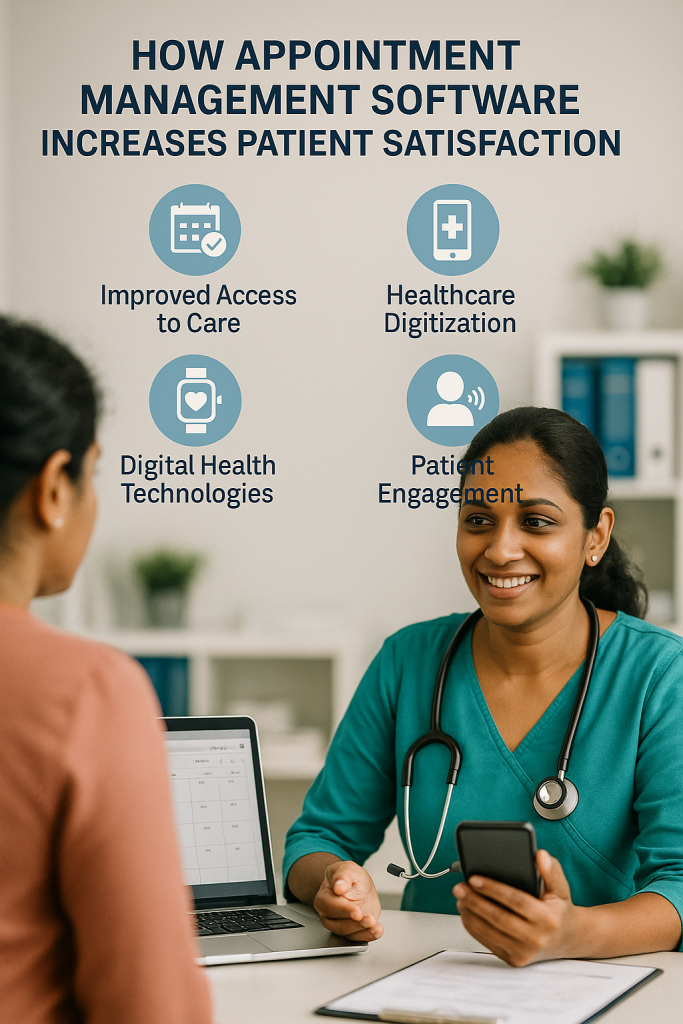
Digital health technologies have become indispensable in transforming patient care, particularly in the context of Sri Lankan healthcare. The integration of appointment scheduling software within clinical management systems is a pivotal development that significantly enhances patient experience while streamlining clinic operations.
For Sri Lankan doctors and healthcare organizations, the design of systems like the DocPP Clinical Management System reflects the unique needs of local healthcare workflows. With features tailored for private practice management and patient management specifically for clinics, specialists, GPs, and medical centres, appointment scheduling becomes not just a necessity but a vital component of effective patient care.
When patients can easily schedule, reschedule, or cancel appointments through a streamlined digital interface, their overall experience improves markedly. For instance, a patient in Colombo seeking to visit a specialist can check availability online, bypassing the cumbersome process of phone calls and wait times. The convenience of securing appointments in real-time enhances patient satisfaction, and reducing the chances of missed appointments supports better clinic efficiency.
Healthcare software solutions are designed to bridge various functions. The integration of appointment scheduling with Electronic Medical Records (EMR) and Electronic Health Records (EHR) facilitates comprehensive patient documentation. Clinicians can access patient records swiftly, enhancing the quality of consultations. For instance, a doctor can pull up a patient’s medical history, including past prescriptions and treatments, during an appointment, ensuring that the care provided is informed and holistic.
Additionally, digital prescriptions seamlessly integrated into the scheduling system further streamline workflows. This allows healthcare providers to send prescriptions directly to pharmacies, reducing wait times for patients and minimising errors associated with handwritten prescriptions. By enabling electronic communication between healthcare providers and pharmacies, such systems also contribute to a safer medication dispensing process.
Furthermore, follow-up management becomes more effective with the use of digital health technologies. Patients can receive automated reminders for follow-up appointments or necessary tests, significantly reducing no-show rates. This proactive approach to patient management not only improves adherence to treatment plans but also enhances communication between healthcare providers and patients.
The role of healthcare analytics within these systems cannot be overlooked. By leveraging data derived from appointment trends, patient feedback, and operational efficiency metrics, doctors and clinic administrators can make informed decisions to improve services. Insights on peak hours, patient preferences, and service quality can drive adjustments that create a more responsive healthcare environment.
Telemedicine capabilities further extend the reach of Sri Lankan healthcare providers, allowing remote consultations. This flexibility significantly benefits patients in rural areas or those with mobility challenges. Through effective appointment management, these patients can access specialists without the need for long-distance travel, thus ensuring timely care.
All these functionalities contribute to the overarching goal of advancing healthcare digitisation in Sri Lanka, aligning with initiatives set forth by the Ministry of Health. As private healthcare providers and organizations continue to work towards better resource management and improved patient outcomes, embracing systems like those offered by DocPP aligns with the national agenda of enhancing healthcare accessibility and efficiency.
In summary, the benefits of digital health technologies in the context of appointment management are profound. By enhancing patient experience through improved scheduling, better communication, streamlined prescribing, and insightful analytics, healthcare providers in Sri Lanka are better positioned to meet the evolving needs of their patients while contributing to a more efficient healthcare ecosystem. Adopting these technologies not only improves patient satisfaction but also solidifies the foundation for a more digitally integrated future in healthcare delivery.
Conclusions
Implementing appointment management software like DocPP in Sri Lankan clinics is not just about improving administrative efficiency. It’s about fundamentally enhancing patient experience and supporting healthcare providers in delivering high-quality care. As healthcare digitisation continues to advance, embracing solutions that integrate various functions—from patient engagement to medical billing—will be crucial in navigating the future of healthcare.