In the evolving landscape of healthcare, doctors in Sri Lanka seek efficient systems to manage their practice. The emergence of Electronic Medical Records (EMR) and Clinical Management Systems has led to innovative solutions. This article investigates whether a free EMR for doctors exists in Sri Lanka, specifically focusing on the DocPP FREE Trial as a viable option for clinics and healthcare organisations across the country.
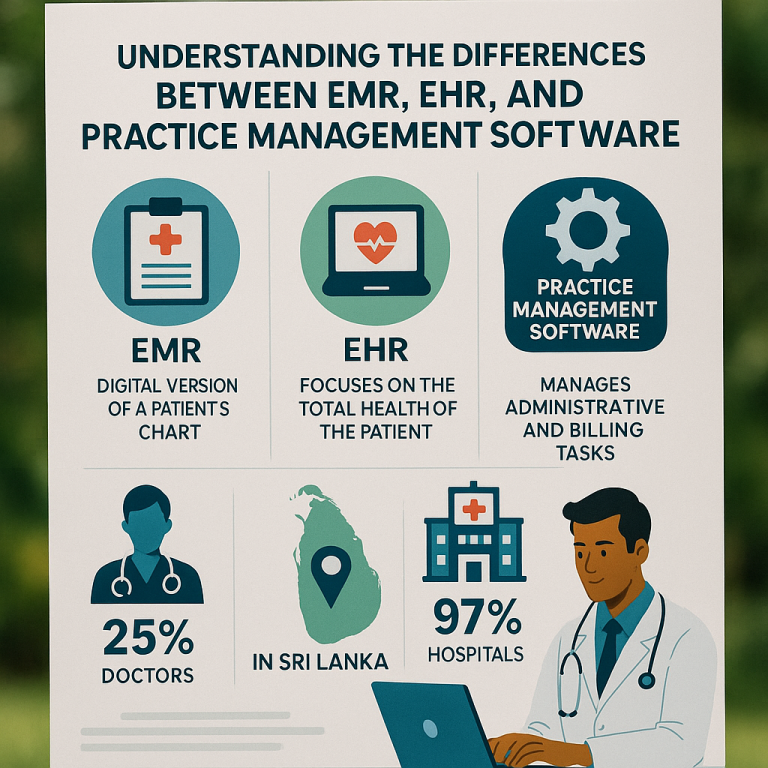
Understanding Electronic Medical Records (EMR) and Their Importance
In the evolving landscape of healthcare, Electronic Medical Records (EMR) have become integral to enhancing the efficiency and effectiveness of medical practices. For doctors in Sri Lanka, the transition from paper-based systems to digital solutions like DocPP is not merely a trend, but a necessary evolution to meet the growing demands of both patients and regulatory frameworks.
EMRs provide a comprehensive digital version of patients’ paper charts, embedding important information such as medical histories, diagnoses, medications, treatment plans, immunisation dates, allergies, radiology images and laboratory test results. Unlike traditional medical records, EMRs enable quick access to patient information, which can significantly streamline workflows in clinics and hospitals. For instance, a General Practitioner (GP) operating in Colombo can instantly retrieve a patient’s record during consultations, enhancing the quality of care provided.
In Sri Lanka, where the Ministry of Health is advocating for digitisation within the healthcare sector, leveraging an EMR system becomes essential not just for clinical efficiency, but also to fulfil compliance with health regulations issued by organisations like the Sri Lanka Medical Council. By adopting platforms such as DocPP, healthcare providers can not only improve the management of patient data but also align with national objectives of enhancing healthcare delivery.
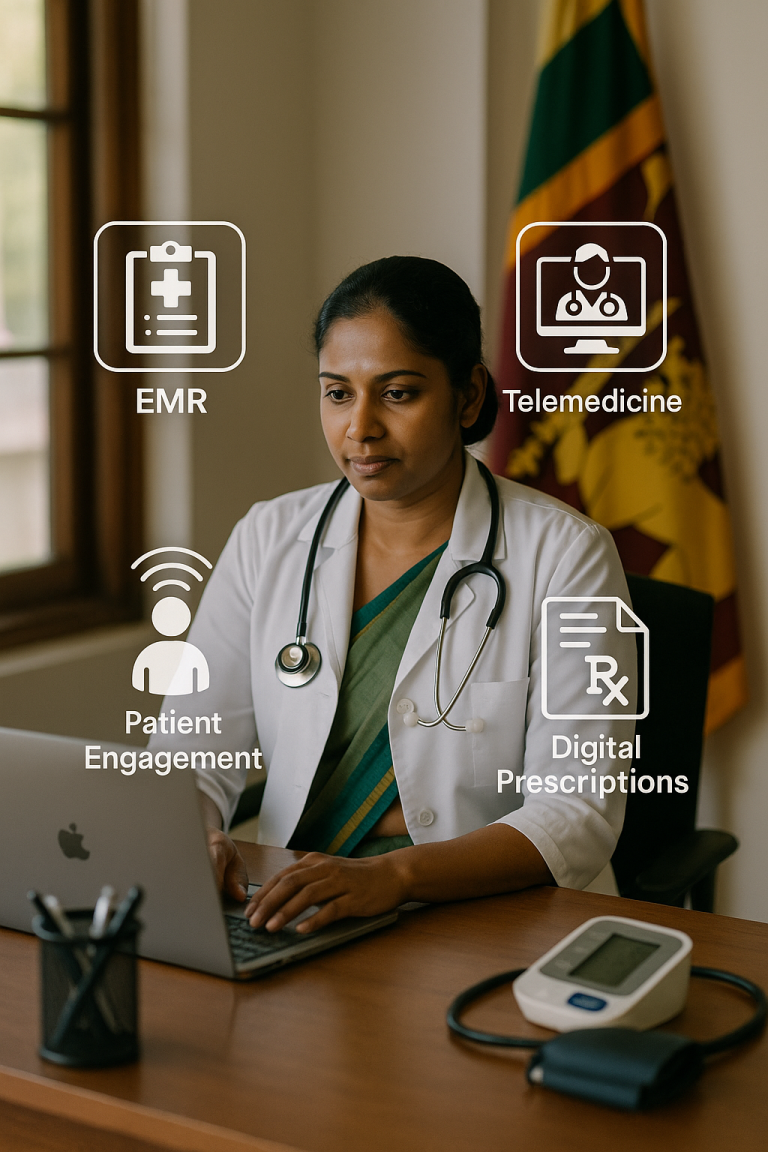
Key functionalities of EMRs include appointment scheduling, which is critical in managing patient flow and reducing waiting times in busy private clinics. Instead of manual appointment books, an integrated system allows for automated reminders for follow-ups, ensuring patients adhere to their treatment plans. Furthermore, digital prescriptions enhance the accuracy of medication dispensing, reducing errors associated with illegible handwriting or miscommunication.
Billing, another crucial aspect, can also be simplified through EMR systems. Traditional billing methods often result in delayed payments and inaccuracies. With a structured digital format, invoicing becomes a timely process, creating an efficient pathway for both healthcare providers and patients.
Additionally, telemedicine capabilities, which have gained significant traction especially post-COVID-19, can be seamlessly integrated with EMR systems like DocPP. This allows for remote consultations, accommodating patients who may be unable to visit clinics due to distance or mobility constraints, thereby expanding access to healthcare.
Clinical documentation through EMRs also fosters accurate record-keeping that eases the burden of administrative work, allowing healthcare professionals to focus more on patient care rather than paperwork. Follow-up management is another critical aspect; automated tracking of patients who require additional consultation or care ensures that no one falls through the cracks, promoting continuity of care.
Moreover, healthcare analytics embedded within EMR systems can provide valuable insights into practice performance, patient demographics, and treatment outcomes. By analysing these data trends, physicians can make informed decisions about practice improvements or identify early interventions that may enhance patient outcomes.
As the healthcare sector in Sri Lanka continues to evolve, adopting EMR solutions within the clinical management framework will be vital for doctors and healthcare organisations. The effective implementation of these digital solutions not only streamlines practice management but also enhances the patient experience through improved access and continuity of care. Therefore, exploring options like the DocPP FREE Trial allows healthcare practitioners to assess the viability and compatibility of such systems in a real-world clinical environment before making a full commitment. This can pave the way for a more digitised, efficient, and ultimately patient-centric healthcare landscape in Sri Lanka.
Introducing DocPP: A Clinical Management System for Sri Lankan Doctors
As the healthcare landscape in Sri Lanka evolves, the integration of technology into clinical practices has become imperative for doctors and healthcare institutions. DocPP stands out as a Clinical Management System specifically designed for Sri Lankan healthcare professionals, encompassing a wide range of functions tailored to improve efficiency in private practice and clinic operations.
The digitisation of patient management is a critical part of this transformation. By adopting systems like DocPP, doctors can centralise patient records, ensuring that sensitive health information is securely stored and easily accessible. This central repository supports compliance with regulations set forth by the Ministry of Health Sri Lanka and the Sri Lanka Medical Council, streamlining the management of patient data across various healthcare settings.
Appointment scheduling is another crucial aspect of the healthcare workflow that benefits from digital solutions. With traditional methods often leading to overbooked schedules or forgotten appointments, a system like DocPP allows for more streamlined management of patient bookings. Automated reminders can mitigate no-shows, consequently enhancing patient flow and maximising clinic efficiency.
In the realm of clinical documentation, accuracy and timeliness are paramount. A well-structured Clinical Management System can facilitate drug prescriptions digitally, reducing the prevalence of errors associated with handwritten notes and enhancing patient safety. The implications for telemedicine are particularly significant; as remote consultations become more common in Sri Lanka, having a robust electronic health record (EHR) system integrated into practice management ensures that all patient interactions, whether in-person or virtual, are captured and recorded comprehensively.
Follow-up management also plays a pivotal role in patient care continuity. For Sri Lankan doctors, maintaining regular communication with patients post-visit is essential for chronic disease management and overall health outcomes. Tools within DocPP can assist healthcare providers in tracking treatment plans and scheduling regular check-ups, thereby fostering an environment of proactive care.
Moreover, healthcare analytics offered through systems like DocPP can provide valuable insights into clinic performance. Doctors can analyse patient demographics, treatment outcomes, and operational efficiencies, allowing for data-driven decision-making that can enhance both patient care and clinic profitability.
Moreover, the integration with laboratories and diagnostic centres ensures that test results are received and processed seamlessly, allowing doctors to review patient information holistically and make informed clinical decisions promptly. This close networking across different healthcare entities exemplifies the interconnectedness required within the Sri Lankan healthcare system to provide optimal patient-centric care.
As healthcare digitisation continues to gain momentum, resources such as DocPP can alleviate many administrative burdens faced by doctors in private practice. This clinical management system not only streamlines operations but also complements the efforts of Sri Lanka’s healthcare authorities in modernising service delivery.
In summary, DocPP serves as a potential ally for Sri Lankan doctors, facilitating efficient management of clinical workflows while adhering to local regulations and standards. As healthcare professionals navigate the transition towards greater digital integration, leveraging tools like DocPP can significantly enhance practice management and ultimately uplift patient care standards in the region.
DocPP FREE Trial: Features and Benefits
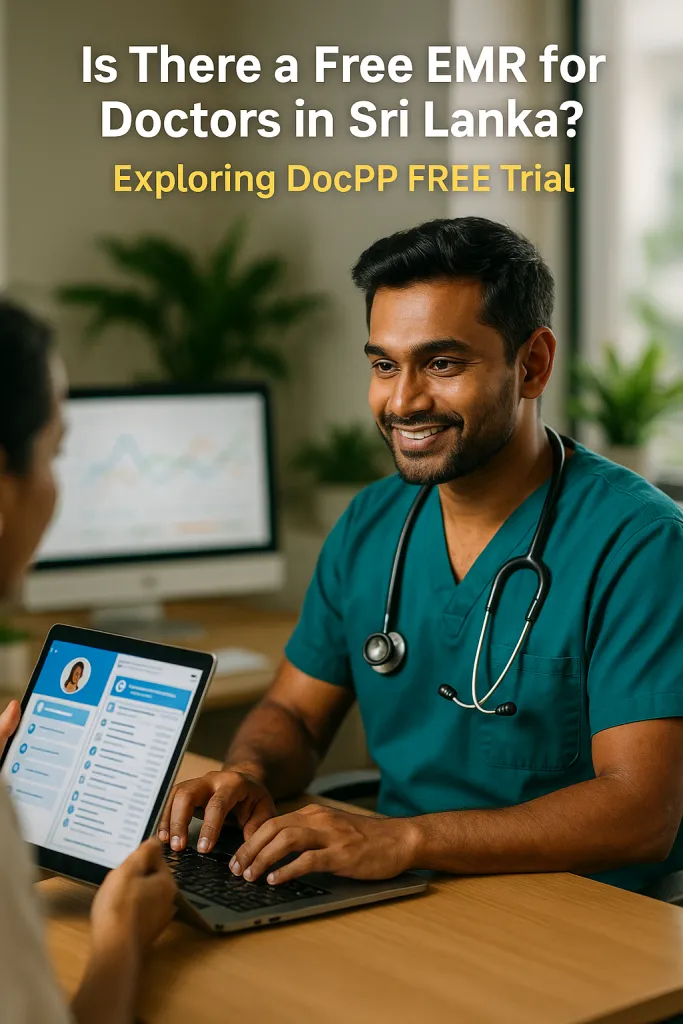
The DocPP FREE Trial presents a unique opportunity for healthcare professionals in Sri Lanka to explore the functionalities of a Clinical Management System tailored to local needs. This trial allows doctors, specialists, and clinic administrators to engage with a comprehensive platform designed to streamline their practice management while adapting to the country’s specific workflows.
One of the paramount features of DocPP is its capability as an Electronic Medical Record (EMR) system. This aspect is crucial for Sri Lankan healthcare providers who need to maintain accurate, accessible patient records. By digitising patient information, doctors can easily retrieve historical data, manage follow-up appointments, and make informed clinical decisions. This transition from paper-based records to electronic formats aligns with the national healthcare digitisation initiatives led by the Ministry of Health Sri Lanka, aiming to enhance the overall efficiency in healthcare delivery.
Appointment scheduling is another integral component of DocPP. The FREE Trial accommodates features that allow doctors to manage their schedules alongside their patients without overlap or conflict. For private practice managers, this software offers a user-friendly interface where appointments can be booked, rescheduled, or even cancelled with minimal hassle. Such functionality not only improves patient satisfaction but also enhances clinic operations by optimising the flow of patients.
Moreover, the digital prescription feature significantly simplifies the medication dispense process. With the current practices observed in both urban and rural clinics across Sri Lanka, where patients often experience delays in receiving their prescriptions, this aspect of DocPP can drastically reduce waiting times. Doctors can generate prescriptions electronically, enhancing clarity and decreasing the likelihood of errors associated with handwritten instructions.
In terms of billing, the DocPP FREE Trial provides insights into integrated billing systems that can facilitate seamless transactions between healthcare providers and patients. This is particularly beneficial for private healthcare providers where billing can often become a cumbersome task. Automated billing processes allow for quicker transactions and improved revenue cycle management, ensuring that practices remain financially healthy.
Telemedicine capabilities further expand the functionality of DocPP. Given the increasing demand for remote consultations, especially in light of the past few years’ public health challenges, the ability to conduct virtual consultations is invaluable. This service is especially significant in Sri Lanka, where accessibility to specialists can be limited in rural areas. The technology fosters an inclusive healthcare environment by allowing patients to receive timely care without the burden of travel.
For comprehensive clinical documentation, the FREE Trial supports effective clinical workflows, helping practitioners maintain detailed, up-to-date notes during or after consultations. This facilitates better patient outcomes by supporting accurate treatment planning and follow-up management. Moreover, advanced healthcare analytics tools offered in the system can empower doctors to track patient outcomes and clinic performance metrics, thus identifying areas for improvement.
As Sri Lankan doctors explore the DocPP FREE Trial, they will find that this Clinical Management System provides a firm foundation for digitising their practices. It encourages a shift towards modern healthcare management, ensuring that patient care is prioritised while also enhancing operational efficiency. Understanding the nuances of these features allows healthcare professionals to not only adapt but also thrive within the evolving landscape of medical practice in Sri Lanka. By leveraging such tools, Sri Lankan doctors can navigate their clinical responsibilities with increased confidence and effectiveness.
The Role of Healthcare Technology in Improving Patient Care
In the evolving landscape of healthcare, technology plays a pivotal role in enhancing patient care and clinic efficiency. For Sri Lankan doctors and healthcare providers, tools such as clinical management systems can make a significant difference in managing patient interactions, record-keeping, and overall practice operations. The integration of technology into healthcare is not just a trend; it is essential for improving outcomes, streamlining workflows, and facilitating better communication between practitioners and their patients.
One of the core components of modern healthcare technology is the Electronic Medical Record (EMR) system. By digitising patient records, doctors can ensure that essential information is readily accessible, improving the accuracy of diagnoses and treatment plans. This is particularly relevant in Sri Lanka, where clinics and practices may encounter a diverse array of patient records and histories. With an effective EMR system, practitioners can easily track patient histories, leading to more informed clinical decisions.
In addition to patient records, appointment scheduling is an area where technology can substantially benefit healthcare providers. For many Sri Lankan doctors working in busy clinics or specialist practices, managing appointments manually can be a cumbersome and time-consuming task. Digital solutions can automate reminders and streamline the scheduling process, reducing no-shows and optimising the patient flow. This ensures that healthcare professionals can focus more on patient care rather than administrative tasks.
Furthermore, the integration of digital prescriptions within a clinical management system can significantly enhance the quality of patient care. In Sri Lanka, where the prescription process can sometimes lead to confusion due to handwritten notes, a digital approach minimizes errors. By leveraging technology for prescribing medications, doctors can provide clear, legible instructions, improving medication adherence and patient safety.
Billing and reimbursement processes also stand to benefit from modern healthcare technology. The ability to manage billing digitally allows clinics to track payments and outstanding balances more efficiently. With streamlined billing processes, healthcare organisations can reduce administrative costs and improve cash flow, enabling them to allocate more resources towards enhancing patient care. Sri Lankan private healthcare providers can particularly benefit from integrating comprehensive billing solutions, which can tailor their services to the specific needs of the local market.
Telemedicine is another crucial aspect of healthcare technology that has gained traction, particularly in response to challenges highlighted by the pandemic. For doctors in Sri Lanka, telemedicine enables them to reach patients who may have difficulty accessing in-person care due to distance or mobility issues. By implementing telemedicine solutions, healthcare professionals can provide consultations, follow-up care, and guidance without necessitating physical visits, thus broadening access to essential health services.
Moreover, clinical documentation tools assist healthcare providers in maintaining accurate and detailed patient histories, which are vital for continuity of care. Such documentation supports better follow-up management, allowing doctors to track patient progress over time. In a busy healthcare environment, tools that facilitate comprehensive record-keeping help ensure that no vital information is overlooked, contributing to improved patient outcomes.
Another significant advantage of integrating technology into healthcare is the ability to gather and utilise healthcare analytics. Collecting data on patient demographics, treatment outcomes, and service utilisation can provide valuable insights for improving practice management. Sri Lankan healthcare providers can leverage this information to identify trends, allocate resources efficiently, and enhance service delivery. For instance, analytics can reveal the most common health issues within a community, guiding practitioners to tailor their offerings according to specific patient needs.
As healthcare digitisation initiatives gain momentum in Sri Lanka, it is essential for healthcare professionals—whether in private practice or public health settings—to embrace these technological advancements. By thoughtfully integrating clinical management systems into their workflows, practitioners can enhance their operations, deliver superior patient care, and ultimately contribute to a more efficient and effective healthcare system in Sri Lanka.
Navigating the Challenges of Healthcare Digitisation in Sri Lanka
The journey of healthcare digitisation in Sri Lanka represents a significant transformation in how medical professionals engage with patients and manage clinical workflows. With increasing demands for efficiency and better patient outcomes, many doctors and healthcare organisations are keen to leverage digital solutions. However, navigating the complexities of healthcare digitisation remains a challenge, especially for practitioners who may be hesitant to transition from traditional methods to electronic systems.
The landscape of healthcare in Sri Lanka is characterised by a mix of public and private providers, each with varying capacities for adopting digital practices. For private practitioners, such as general practitioners or specialists operating in clinics, the integration of a Clinical Management System can streamline operations significantly. Traditional methods, which often depend on paper-based patient records and manual appointment scheduling, can lead to inefficiencies, increased operational costs, and potential errors in patient management.
In this context, systems like DocPP have emerged as viable options that cater specifically to local healthcare needs. Such platforms help bridge the gap between manual processes and the essentials of digitalisation by incorporating crucial features like Electronic Medical Records (EMR) and Electronic Health Records (EHR). These technologies facilitate the secure storage of patient data, making it readily accessible to the healthcare provider, thus improving the overall workflow of patient management.
Moreover, the digitisation of healthcare in Sri Lanka is supported by regulatory bodies such as the Ministry of Health, which has initiated various programmes aimed at enhancing healthcare delivery through technology. This push for digitisation is reflected in the increasing interest in telemedicine, particularly in rural areas where access to specialists may be limited. By enabling services such as digital prescriptions and remote consultations, healthcare providers can offer more flexible and responsive care to their patients.
Appointment scheduling is another critical aspect that can benefit from digital solutions. Manual scheduling is often fraught with challenges, such as double bookings or miscommunication. A Clinical Management System that integrates an appointment scheduling feature allows for streamlined operations, reducing wait times for patients and optimising clinic workflows. Having real-time access to patient schedules can also enhance the ability to manage follow-up appointments, thereby improving adherence to treatment plans.
Billing and clinical documentation are additional areas where healthcare digitisation can make a significant impact. By automating these processes, healthcare providers can reduce administrative burdens, allowing more time for direct patient care. Efficient billing practices contribute to better financial management within clinics, ensuring timely payments and minimising discrepancies that often arise from manual billing methods.
The benefits of implementing a Clinical Management System extend beyond administrative efficiencies; they also empower healthcare professionals with analytics capabilities. Data generated through patient interactions can provide insights into treatment outcomes, prevalent health conditions within specific demographics, and overall practice performance. Such analytics can inform both individual healthcare practices and broader healthcare policy decisions, contributing to improved public health outcomes.
In summary, the journey towards healthcare digitisation in Sri Lanka presents both opportunities and challenges for doctors and healthcare organisations. Despite inherent uncertainties, the integration of digital solutions like DocPP demonstrates a potential pathway for enhancing patient management and clinic operations. By adopting these technologies, healthcare professionals may not only improve operational efficiencies but also contribute meaningfully to the overarching goals of advancing healthcare delivery across the nation. As practitioners consider the implications of digitalisation, it will be essential for them to weigh the benefits of enhanced patient care against the challenges of implementation, thus strategically navigating the digitisation landscape.
How to Get Started with DocPP FREE Trial
Getting started with the DocPP FREE Trial offers Sri Lankan healthcare practitioners an opportunity to experience a Clinical Management System (CMS) tailored specifically for their needs. For doctors, clinics, and health organizations in the country, the process of onboarding involves leveraging digital tools designed to streamline operations, manage patient records, and enhance overall practice performance.
To initiate the trial, healthcare professionals should first visit the DocPP website to sign up. The interface is intuitively designed, ensuring ease of navigation for users who may not be tech-savvy. Upon registration, users receive access to a range of features that mimic the full capabilities of the system. This trial phase allows practitioners to explore crucial functionalities such as electronic medical records (EMR), appointment scheduling, digital prescriptions, and clinical documentation options.
In a landscape where healthcare digitisation has become increasingly indispensable, the DocPP FREE Trial allows doctors to engage with the system while considering how it can integrate with existing workflows. For instance, private clinics can assess how DocPP manages patient appointments and follow-ups, helping to reduce no-shows and streamline patient flow. By simulating real-world scenarios, healthcare professionals can evaluate how the system supports their day-to-day operations, from managing patient histories to processing billing efficiently.
Moreover, the ability to generate reports and analytics during the trial can be immensely beneficial for healthcare administrators aiming to enhance practice management. Understanding patient demographics, appointment trends, and clinical outcomes through relevant analytics empowers practitioners to make informed decisions that enhance service delivery. This aspect aligns with the Ministry of Health’s goals in Sri Lanka to digitize healthcare management systems to improve efficiency and patient care quality.
As Sri Lankan healthcare professionals delve into the trial, they should consider engaging with the DocPP support team as needed. Many might have specific questions regarding integration with local laboratories and diagnostic centres or require assistance in navigating the software’s various features. User feedback is another critical component of this trial phase; practitioners are encouraged to assess not only the functionalities but also the usability and adaptability of the system within their unique practice environments.
In summary, engaging with the DocPP FREE Trial presents an enriching opportunity for Sri Lankan doctors and healthcare organizations to explore how a Clinical Management System can meet their specific needs. By embracing this opportunity, they can assess operational workflows, improve patient management, and ultimately contribute to the larger movement towards digitized healthcare in Sri Lanka.
Conclusions
As healthcare in Sri Lanka continues to advance towards digitisation, the DocPP FREE Trial emerges as a credible solution for doctors seeking an efficient EMR. By adopting such technologies, medical professionals can not only streamline their practice but also enhance the quality of patient care in the region.