As healthcare digitisation accelerates in Sri Lanka, understanding the EMR system cost becomes essential for clinics and healthcare practitioners. This article delves into various aspects of EMR system costs, highlighting their significance in patient management, appointment scheduling, and healthcare compliance. We will also elaborate on how solutions like DocPP can facilitate smooth clinical workflows and optimize operational efficiency for medical practices.
What is an EMR System?
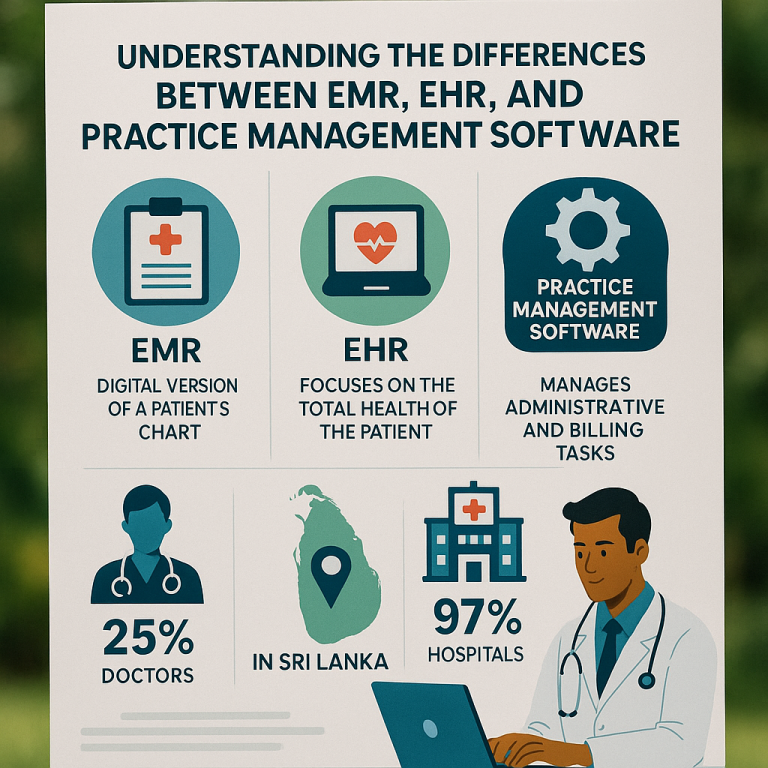
Electronic Medical Record (EMR) systems represent a transformative step towards digitisation in healthcare, streamlining the management of patient data, appointment scheduling, and clinical documentation. In the context of DocPP, a Clinical Management System tailored specifically for the unique needs of Sri Lankan healthcare professionals, understanding the functionality and components of such systems is critical. EMRs are central to various healthcare workflows, as they replace traditional paper-based records, enhancing efficiency and reducing the likelihood of errors stemming from miscommunication or illegible handwriting.
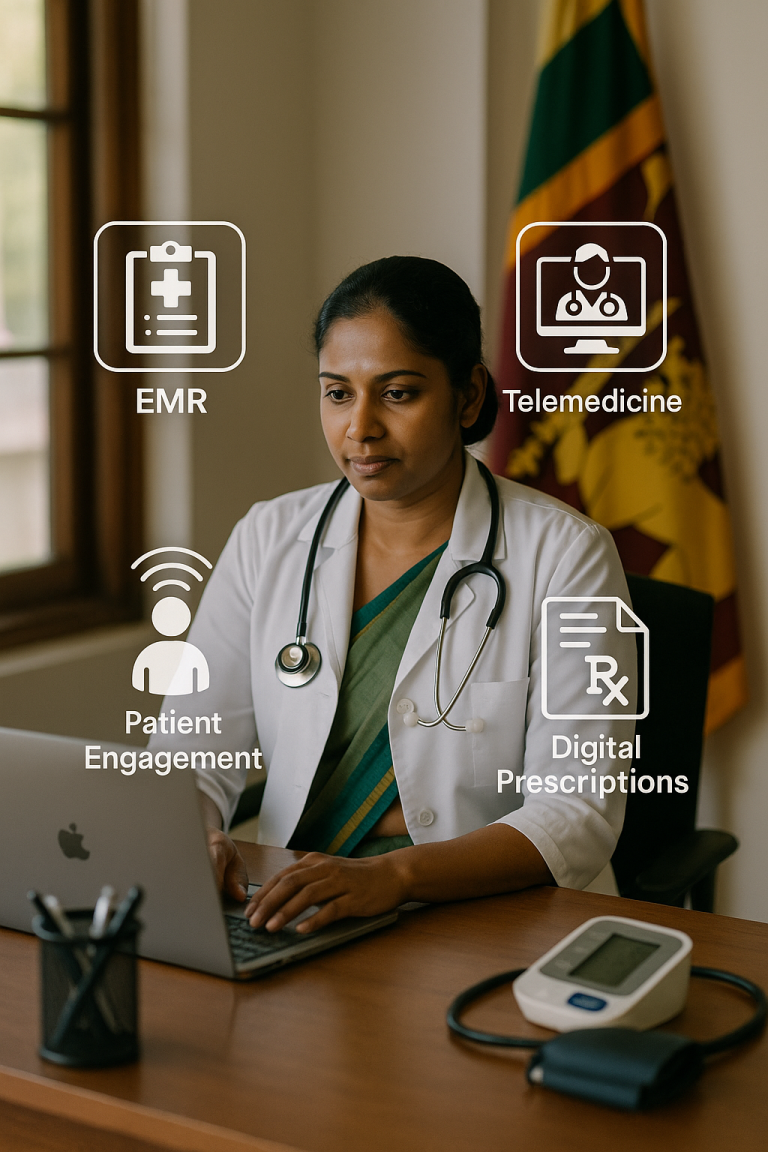
For Sri Lankan doctors, whether they operate private clinics, channeling centres, or larger medical organisations, the integration of an EMR system like DocPP provides a robust platform for patient management. It not only stores electronic health records (EHRs) that encompass comprehensive patient histories but also facilitates functionalities such as digital prescriptions, billing, and follow-up management. This integration is particularly beneficial for specialists and GPs working within a complex healthcare landscape that includes interactions with pharmacy services, laboratories, and diagnostic centres.
Appointment scheduling becomes markedly less cumbersome with an EMR, as it allows for real-time access to patient availability, thereby optimising clinic operations. Furthermore, the digitisation of documentation streamlines the clinical workflow. Healthcare professionals can record patient encounters swiftly, ensuring that visits contribute directly to the development of a cohesive health profile.
In addition to improving internal processes, EMR systems like DocPP also enable better communication channels between healthcare professionals and patients. With capabilities that may include telemedicine features, healthcare providers can conduct virtual consultations, expanding their reach and offering care to patients who may have mobility challenges or those living in rural areas underserved by healthcare facilities.
The analytics capabilities integrated into EMR systems enhance practice management, allowing doctors to generate reports on patient outcomes, identify trends within patient populations, and monitor performance metrics. By leveraging this data, healthcare professionals can make informed decisions, influencing patient care strategies and operational efficiency.
The Ministry of Health in Sri Lanka has been actively promoting digitisation in healthcare, encouraging the adoption of such systems. Understanding the potential costs associated with EMR implementation, such as initial setup, training, and ongoing maintenance, is essential for healthcare providers contemplating this transition. These factors will be explored further in the subsequent chapter, offering insight into how the investment in an EMR system can positively affect practice sustainability and patient management in the long term.
Thus, as Sri Lankan healthcare professionals evaluate the available Clinical Management Systems like DocPP, understanding the functional aspects of EMR systems is pivotal. By effectively utilising these systems, doctors can not only improve the operational efficiencies of their practices but also significantly enhance the quality of care provided to patients across the nation.
Factors Influencing EMR System Cost
Understanding the cost of an Electronic Medical Record (EMR) system, such as the DocPP Clinical Management System, requires a nuanced perspective especially within the context of Sri Lankan healthcare. The total cost of an EMR system is influenced by several factors that are unique to the local healthcare landscape, including infrastructure, regulatory requirements, and specific operational needs of healthcare providers.
One major factor influencing EMR system costs is the initial software licensed fee. Sri Lankan medical facilities, including private clinics, channels, and specialized healthcare organizations, must consider their patient load and specific operational needs when choosing a system like DocPP. A smaller clinic may require basic features like patient records and appointment scheduling, whereas larger healthcare centres might need comprehensive functionalities including telemedicine capabilities and healthcare analytics for population health management. Thus, understanding the scale and the required capabilities of the system is crucial for effective budgeting.
Another significant influence is the ongoing maintenance and support costs. In the Sri Lankan context, where rapid digital transformation is being encouraged by entities like the Ministry of Health Sri Lanka, professionals must account for costs associated with technical support, software updates, and system training. Regular training for staff not only enhances efficiency but also improves the usability of the EMR system, aligning with local practices and workflows. As healthcare digitisation progresses, ongoing education becomes essential to keep up with new features and compliance standards, further influencing overall cost considerations.
The integration of the EMR system with other healthcare technologies is another critical factor. For instance, laboratories and diagnostic centres are increasingly adopting digital interfaces for results sharing. An EMR like DocPP must therefore be capable of seamless integration, ensuring that clinicians can access lab reports and imaging results efficiently. The costs associated with integration could vary significantly based on the complexity and existing infrastructure of a clinic or hospital. Healthcare organisations must therefore assess their current systems and plan for any necessary upgrades or software interfacing that will incur additional costs.
The regulatory environment also plays a pivotal role in determining EMR costs. Compliance with standards set by the Sri Lanka Medical Council and other regulatory bodies may require additional functionalities or security measures, which can increase the total cost. This is particularly salient in light of dynamic policies regarding patient data protection and electronic patient records, mandating that systems are robust and secure, ultimately influencing financial planning.
Operational efficiencies introduced by an EMR system, like improved patient management and billing processes, can lead to long-term savings and enhance revenue cycles. For instance, timely electronic prescriptions can reduce the turnaround time for medication and improve patient satisfaction. Furthermore, accurate and timely billing facilitated by digital records can enhance cash flow for practitioners. These operational benefits should be factored into the cost evaluation, as they contribute to a more productive practice environment in the long run.
Lastly, practices should consider the scalability of their EMR system. As the healthcare landscape evolves, a system that can grow with the practice will be more cost-effective in the long term. New features such as telemedicine have gained prominence, particularly in response to increased patient demand for access and convenience. Investing in a scalable system allows for additional features and functionalities to be added without necessitating a complete overhaul, thereby optimising costs in an ever-changing healthcare environment.
By understanding these multifaceted factors influencing EMR system costs within the local context, Sri Lankan doctors and healthcare administrators can make informed decisions. Engaging with knowledgeable vendors, assessing specific operational needs, and aligning with regulatory standards will ensure that the decision-making process is not only economically sound but also beneficial for improving patient care and operational efficiency.
Average EMR System Cost in Sri Lanka
In understanding the average EMR system cost in Sri Lanka, it is imperative to consider systems like DocPP Clinical Management System that cater specifically to the needs of Sri Lankan healthcare professionals, including doctors, clinics, specialists, and medical centres. These systems are designed to optimise practice management and enhance the overall efficiency of healthcare delivery in the region.
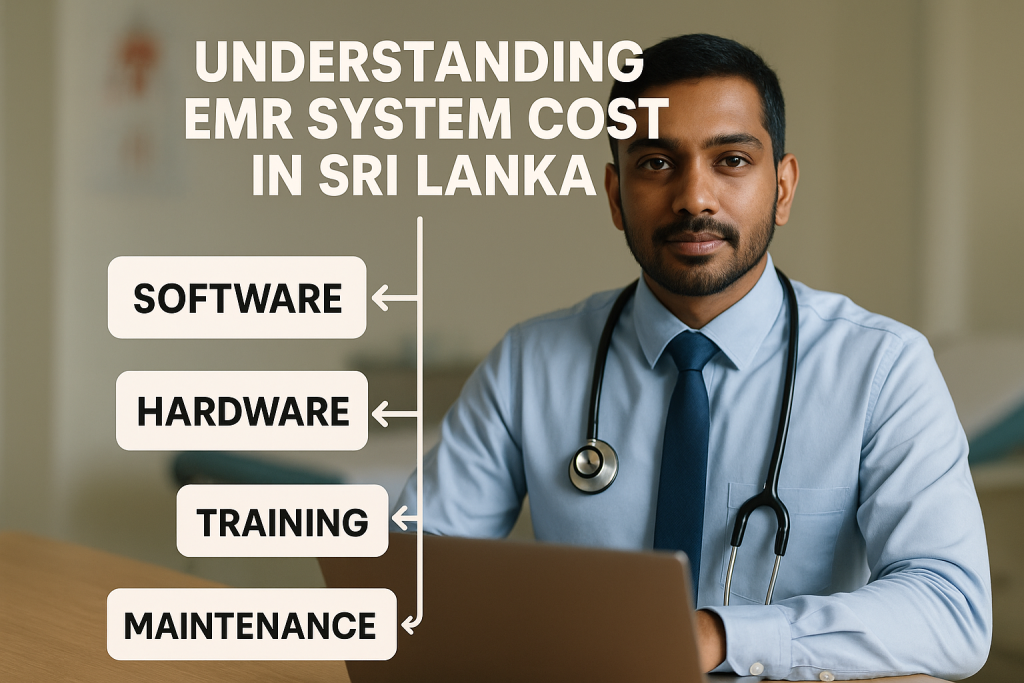
The cost of implementing an EMR (Electronic Medical Record) system, such as DocPP, can vary significantly based on various factors intrinsic to the local healthcare landscape. Typically, these systems involve costs related to software purchase or subscription, hardware requirements, training, support, and ongoing maintenance. While the initial outlay can seem substantial, it is essential for healthcare providers to evaluate the potential return on investment associated with improved clinic operations and patient management.
For Sri Lankan doctors managing private practices, understanding their specific needs is crucial when considering EMR solutions. For example, features such as appointment scheduling, digital prescriptions, and clinical documentation are fundamental to enhancing patient interactions and streamlining workflows. The cost may include subscription models where healthcare practices pay a monthly or annual fee depending on the number of users and features. An EMR system designed for local clinicians could have a subscription cost ranging from a few thousand to several tens of thousands of Sri Lankan Rupees annually.
In Sri Lanka, where healthcare organisations are increasingly digitising their operations, healthcare analytics has become a valuable component of practice management. The integration of analytics into the EMR system helps healthcare providers interpret patient data and make informed decisions, which can improve clinical outcomes. The associated costs of these analytics features typically add to the overall expense of adopting an EMR system, although they can vastly improve operational efficiency and care delivery.
Additional costs may arise from compliance with regulations set forth by entities like the Ministry of Health Sri Lanka and the Sri Lanka Medical Council. These regulations often require healthcare providers to maintain specific standards of patient data security and privacy, adding to the overall expense of maintaining an EMR system.
Moreover, the training and support aspects should not be overlooked. Transitioning to a digital system requires adequate training for healthcare staff, which can be a significant portion of the total cost. Ensuring that all personnel are proficient in using the EMR system optimally directly impacts its effectiveness. There might also be an ongoing need for technical support, which often comes as part of the service level agreements with EMR providers.
Finally, it is important for healthcare professionals to assess the scalability of the EMR system. As medical practices expand or evolve, the EMR system should be able to grow with them without necessitating a complete overhaul or incurring substantial additional costs. Understanding long-term costs associated with scalability is beneficial for making informed financial decisions.
In summary, while the average EMR system cost for Sri Lankan healthcare providers can vary widely based on features, services, and institutional needs, understanding the total cost of ownership — including acquisition, operation, and maintenance — is essential. By carefully evaluating systems like DocPP that address the specific needs of local practitioners, doctors can make more informed decisions that ultimately enhance patient care and operational efficiency within their practices.
Benefits of Implementing an EMR System
Implementing an Electronic Medical Record (EMR) system provides a multitude of benefits for healthcare professionals in Sri Lanka, particularly when integrated into the workflows of practices using systems like DocPP. For doctors, specialists, and clinics, transitioning from paper-based records to a digitised system not only streamlines operations but also enhances the overall patient experience.
One notable aspect of DocPP is its alignment with the requirements and standards set by the Ministry of Health Sri Lanka, ensuring that healthcare providers can easily comply with regulatory frameworks. The system facilitates efficient documentation of patient records, allowing for accurate and up-to-date information to be available at the click of a button. This accessibility reduces the chances of errors that may occur in a manual system, such as lost files or misfiled records.
Moreover, patient management is significantly improved through features like appointment scheduling and electronic prescriptions. In the context of general practice or specialist consultations, these functionalities help to minimise no-show rates and enhance follow-up management. For instance, a clinic utilizing DocPP can automatically remind patients of their appointments via SMS or email, which has been shown to encourage attendance. Additionally, doctors can seamlessly manage prescriptions and renewals electronically, reducing the time spent on administrative tasks.
Billing processes also receive a substantial upgrade with the integration of EMR systems. Traditional billing methods can be cumbersome and prone to discrepancies. However, with DocPP, billing is more straightforward and can be integrated with services from local laboratories and diagnostic centres, allowing for transparent invoicing and a more efficient claims process. This creates a positive financial cycle for healthcare providers, making it easier to track payments and outstanding balances.
Healthcare analytics is another significant benefit of implementing an EMR like DocPP. By analysing data collected through the system, healthcare professionals can monitor trends in patient outcomes, treatment efficacy, and operational efficiency. This data-driven approach allows for continuous improvement in clinical practice, enabling doctors to make informed decisions that enhance patient care and organisational effectiveness.
Telemedicine has gained prominence, particularly in recent years, setting a vital precedent for healthcare delivery in Sri Lanka. EMR systems play a crucial role in supporting telemedicine by providing virtual access to patient records, enabling healthcare providers to consult effectively with patients who may be unable to visit in person. This capability not only broadens access to healthcare but also supports the trend towards patient-centred care.
Additionally, clinical documentation is significantly streamlined through the use of an EMR system. By digitising notes and treatment plans, practitioners can save time and focus more on patient interaction rather than paperwork. This facilitates better engagement with patients, which is particularly important in building doctor-patient trust and ensuring adherence to treatment plans.
The implementation of a Clinical Management System like DocPP empowers healthcare organisations to optimise operations while delivering high-quality patient care. The transition to digital solutions represents a pivotal step towards the broader goal of healthcare digitisation in Sri Lanka, which is increasingly supported by both public and private sectors as a means to improve efficiencies and health outcomes.
As healthcare professionals consider the costs associated with EMR systems, understanding these multifaceted benefits is essential. The efficient management of patient records, streamlined administrative functions, and advanced analytics capabilities form an integral part of modern healthcare challenges. Ultimately, the quest for a more effective healthcare delivery system in Sri Lanka is closely linked to the adoption and implementation of EMR systems, paving the way for a more efficient, accessible, and patient-centred healthcare landscape.
Cost Comparison: DocPP and Other EMR Systems
When evaluating the costs associated with Electronic Medical Record (EMR) systems in Sri Lanka, it is essential to consider the applicability and features pertinent to local healthcare professionals. In this context, the DocPP Clinical Management System emerges as a dedicated tool designed to streamline operations for Sri Lankan doctors, clinics, specialists, and healthcare organisations. However, it is important to compare its cost structure with other EMR systems available in the market while navigating the intricacies of the local healthcare landscape.
The overall cost of implementing an EMR system comprises various components including initial setup, ongoing subscription fees, training, maintenance, and costs relating to hardware and integration with existing systems. DocPP’s pricing model is often seen as flexible, catering to the budget constraints of private practitioners, channeling centres, and larger medical institutions alike. This is particularly significant given the diverse range of private healthcare providers in Sri Lanka, from small clinics to multi-specialty medical centres.
For example, the typical costs associated with an EMR system can range from a few thousand rupees for basic functionalities to lakhs of rupees for comprehensive systems boasting advanced features such as telemedicine, healthcare analytics, and integrated billing solutions. DocPP positions itself strategically in the mid-range, offering essential functionalities such as appointment scheduling, digital prescriptions, and clinical documentation without compromising on usability. This allows healthcare providers to efficiently manage patient records and streamline their workflows while remaining cost-effective.
Moreover, the comparative analysis of DocPP against international EMR systems is enlightening. Many of these systems, while feature-rich, may not fully align with the workflow realities faced by Sri Lankan healthcare professionals. For instance, systems designed for Western markets often include functionalities that may not resonate with local needs, resulting in unnecessary costs for features that remain unused. In contrast, DocPP is tailored to meet the specific demands of local clinics, thereby reducing potential expenditures on irrelevant functionalities.
Another critical aspect to consider is the support and training associated with EMR systems. For healthcare professionals in Sri Lanka, ongoing training and support are invaluable. Efficient onboarding and continual technical support can drastically enhance both the user experience and the system’s effectiveness. DocPP typically offers localised training sessions which may not be as readily available with more globally oriented EMR providers, potentially leading to increased costs for Sri Lankan doctors who require off-site training or external consultants.
Furthermore, the valuation of additional features such as telemedicine capabilities and healthcare analytics must also be scrutinised within the specific context of Sri Lankan healthcare. These features can add considerable value to an EMR system, particularly for specialists and larger healthcare organisations looking to optimise patient management and service delivery. However, careful cost assessment is essential to ensure these tools translate into tangible benefits within the local practice management framework.
In conclusion, while DocPP offers a competitive and contextually relevant EMR system for Sri Lankan healthcare professionals, conducting a thorough cost comparison with other EMR options requires a nuanced understanding of local needs and workflows. As healthcare continues to undergo digitisation in Sri Lanka, providers must be strategic in selecting EMR systems that not only fit within their budget but also enhance operational efficiency and patient care delivery.
Understanding Total Cost of Ownership (TCO) of EMR Systems
Understanding the Total Cost of Ownership (TCO) of EMR Systems presents unique considerations for healthcare professionals, particularly within the Sri Lankan context. When evaluating tools like the DocPP Clinical Management System, it’s crucial to not only look at the initial outlay but also to consider the comprehensive costs associated with the entire lifespan of the software.
The TCO of an EMR system takes into account several components beyond the purchase price or subscription fees. These components can significantly impact financial planning and operational efficiency in clinics, medical centres, and private practices. For Sri Lankan doctors, understanding these factors can lead to better decision-making regarding digital health solutions that integrate seamlessly with local healthcare workflows.
One of the primary cost factors associated with EMR systems is implementation. This includes expenses related to hardware, software installation, and the training of personnel. For instance, a clinic may need to invest in computers or tablets that can operate the chosen EMR software effectively. In addition, tailored training sessions for healthcare staff are essential, ensuring they are adept at navigating functionalities that support patient management, appointment scheduling, and clinical documentation. These training sessions are vital, as user adoption is critical in maximizing the benefits of the system.
In Sri Lanka, given the existing structure of healthcare delivery, which often involves a mix of public and private practices, the transition to a digital system can vary widely. Clinics that serve a diverse patient base need to ensure that the chosen EMR system accommodates multilingual functionalities and local regulations dictated by the Sri Lanka Medical Council and the Ministry of Health. Costs associated with custom features, such as integration with existing billing systems or enabling telemedicine capabilities, can add to the TCO.
Ongoing operational costs should also be carefully calculated within the TCO framework. This includes but is not limited to software updates, technical support, and potential additional training sessions as new features or regulations come into effect. For example, in an environment increasingly leaning towards telemedicine, ensuring the EMR system can support digital prescriptions and follow-up management remotely may necessitate further investments.
A key dimension of TCO is the opportunity cost involved. For instance, if a practice faces disruptions due to a poorly integrated EMR, the financial impact of lost patient hours or reduced productivity must be factored into the overall cost analysis. Conversely, choosing a system that enhances clinical documentation and healthcare analytics can facilitate improved patient outcomes and, ultimately, profitability.
Moreover, when considering EMR solutions, practitioners should look at their specific needs. A specialist clinic focusing on dermatology may prioritize different features than a general practitioner’s office. Understanding these tailored requirements will influence total cost aspects and overall satisfaction with the EMR system. Practitioners should engage in discussions with stakeholders to determine specific needs such as consultation workflows, patient record requirements, and billing processes unique to their practices.
In evaluating the total cost of ownership, healthcare organisations in Sri Lanka are encouraged to conduct a thorough examination of potential EMR systems. This investigation should include a detailed assessment of each system’s compatibility with existing healthcare infrastructures, how well the system integrates with diagnostic centres and laboratories, and the overall enhancement to practice management. Additionally, gaining insights into how the EMR can support healthcare digitization initiatives within the country may provide added value to the investment.
A systematic approach to understanding TCO will empower healthcare professionals in Sri Lanka to select an EMR system like DocPP that aligns not only with their financial capabilities but will also improve patient care and operational efficiency in the long run. By investing time and resources to understand each facet of TCO, practitioners can ensure that their chosen clinical management solutions contribute positively to the broader landscape of healthcare in the region.
Government Initiatives Supporting EMR Adoption
In the evolving landscape of healthcare in Sri Lanka, government initiatives play a pivotal role in supporting the adoption of Electronic Medical Record (EMR) systems, such as the DocPP Clinical Management System, which is specifically designed to cater to the needs of Sri Lankan doctors and healthcare organisations. The Ministry of Health Sri Lanka, in alignment with global healthcare digitisation trends, has recognised the necessity of modernising healthcare delivery through the digitisation of patient records and practice management.
Healthcare digitisation is not merely a trend but a fundamental shift in how healthcare services are delivered and managed. The integration of EMR systems improves workflows within clinics and hospitals, enabling doctors to effectively manage patient appointments, maintain accurate medical records, and ensure timely follow-ups. Government policies aimed at bolstering healthcare infrastructure have paved the way for the increased accessibility of technologies like DocPP. By promoting the digitisation of patient records and improving access to healthcare data, the government intends to enhance the overall quality of care while ensuring that healthcare practitioners, including specialists and general practitioners, can focus more on providing optimal patient care rather than administrative tasks.
One of the crucial enhancements arising from these initiatives is the facilitation of digital prescriptions. EMR systems enable doctors to generate prescriptions electronically, reducing errors and improving the communication of medication plans to pharmacies. This is especially beneficial in a country where the management of chronic diseases requires meticulous attention to medication adherence. Furthermore, the ability to integrate billing directly into EMR systems simplifies the financial aspects of clinic operations, allowing healthcare providers to streamline their practice management processes.
The Sri Lanka Medical Council and various private healthcare providers have also been instrumental in encouraging the use of EMR systems. They advocate for technological advancements that ensure better accountability and quality assurance in healthcare practices. With initiatives promoting electronic systems for clinical documentation, including lab reports and diagnostic imaging, the landscape for Sri Lankan doctors has shifted positively, enabling a more cohesive approach to patient management.
Moreover, as telemedicine gains traction, particularly following the COVID-19 pandemic, the government’s support for digital healthcare solutions has become imperative. EMR systems such as DocPP facilitate telemedicine by providing healthcare professionals with the tools necessary for remote consultations, thereby expanding their reach and enhancing patient care accessibility. Patients can be managed more effectively through integrated systems that allow doctors to access complete patient histories, schedule appointments remotely, and ensure continuity of care.
To leverage these government initiatives effectively, Sri Lankan doctors are encouraged to actively engage in training programmes and workshops facilitated by healthcare authorities. By doing so, they can enhance their understanding of EMR systems, such as DocPP, and better implement these tools into their workflow. Additionally, healthcare organisations should advocate for policies that incentivise the adoption of EMR systems, such as tax rebates or grants that could ease the financial burden of switching from traditional paper-based systems to digital platforms.
In conclusion, the government’s commitment to healthcare digitisation significantly supports the adoption of EMR systems in Sri Lanka. The interplay between government initiatives and innovative solutions like the DocPP Clinical Management System not only provides a framework for enhanced patient management but also fosters a culture of continuous improvement in healthcare delivery. It is essential for healthcare professionals to remain proactive in adapting to these changes, ensuring that they can provide the highest standard of care amid the evolving digital health landscape.
Challenges in Adopting EMR Systems in Sri Lanka
The adoption of Electronic Medical Records (EMR) systems like the DocPP Clinical Management System is fraught with various challenges for healthcare professionals in Sri Lanka. Despite the increasing recognition of the need for digitisation in healthcare, several barriers hinder the full-scale implementation of these systems, particularly in private practices and small clinics.
Understanding these challenges is crucial, as they directly impact the operational efficiency of clinics and the overall quality of patient care. One of the primary hurdles faced by Sri Lankan doctors is the financial investment associated with transitioning to an EMR system. While DocPP offers features that streamline clinic operations—such as appointment scheduling, digital prescriptions, and patient record management—initial costs can be significant, especially for small practices struggling with tight budgets.
Cost considerations extend beyond just software acquisition. For instance, many healthcare providers must account for the expense of training staff to use new technologies effectively. With the typical Sri Lankan clinic arranged around traditional practices, shifting to a digitised model can require reskilling both administrative and clinical staff. Additionally, ongoing expenses related to maintenance and support for the EMR system contribute to the financial burden, making it imperative for clinic owners to evaluate their budgets and resource allocations carefully.
The integration of EMR systems into existing healthcare workflows poses another set of challenges. In Sri Lanka, where healthcare delivery often involves a combination of private practices, channeling centres, and larger medical organisations, ensuring seamless connectivity is vital. Lack of interoperability between different systems can hinder efficient patient management, complicating clinical documentation and follow-up management processes. Customising systems like DocPP to fit the unique operational dynamics of local practices can mitigate some of these issues, but it also introduces additional complexities and costs.
Moreover, many practitioners in Sri Lanka exhibit a degree of reluctance towards digital solutions due to a lack of understanding about the long-term benefits of EMR adoption. While the Ministry of Health and various healthcare digitisation initiatives have advocated for technological integration, the challenge remains in convincing individual doctors and clinics. For instance, amidst concerns around patient confidentiality and data security, practitioners might hesitate to transition from paper-based records to digital platforms. However, embracing a system that includes robust security protocols is essential for maintaining trust and protecting sensitive patient information.
Healthcare analytics represent another area where the adoption of EMR systems can enhance operational efficiency. With proper implementation, analytics can provide valuable insights into practice management and patient outcomes. Nevertheless, the complexity of integrating such features into existing workflows often deters doctors from fully utilising these capabilities. For clinics aiming to improve their patient care strategies, distinguishing between critical data and overwhelming amounts of information can be challenging.
Finally, telemedicine has emerged as a vital component in modern healthcare management, a development accelerated by the need for remote consultations during the pandemic. EMR systems that include telemedicine functionalities can serve as a bridge to keep patients connected with their healthcare providers, especially in rural regions of Sri Lanka. However, technical glitches and inadequate internet infrastructures in certain areas further challenge the effective use of these services, highlighting the need for targeted investments in technology and support systems.
In summary, while the DocPP Clinical Management System offers numerous advantages for Sri Lankan doctors, the challenges presented by cost, integration, and acceptance remain significant. Addressing these issues requires a nuanced understanding of local healthcare workflows and patient management needs. By investing time and resources into comprehensive training, ensuring robust cybersecurity practices, and fostering a culture of acceptance around digital tools, healthcare professionals can position themselves for successful EMR implementation and, consequently, improved patient care outcomes.
Future Trends in EMR System Cost and Technology
As the healthcare landscape in Sri Lanka continues to evolve, so too does the approach to electronic medical records (EMR) and clinical management systems. For Sri Lankan doctors and healthcare organisations, the costs associated with implementing systems like DocPP offer both considerations and opportunities. Understanding these costs is vital, particularly when contemplating how they align with current trends in healthcare digitisation and the specific needs of local health practitioners.
Implementation costs for an EMR system can be broken down into several key components: software licensing, infrastructure, training, support, and maintenance. Each of these elements contributes to the total cost of ownership (TCO), which is crucial for medical practices operating within the scope of the Sri Lankan healthcare ecosystem.
DocPP, as a Clinical Management System crafted for the local environment, intricately weaves into the workflows prevalent in Sri Lankan healthcare. The seamless integration of patient records, appointment scheduling, billing, and digital prescriptions is crucial for clinics seeking to optimise operations and enhance patient management. In an era where healthcare digitisation is encouraged by entities such as the Ministry of Health Sri Lanka, the prospects of investing in an EMR system become compelling.
Initial costs often manifest through software licensing fees. For a practice like a private clinic or a specialist’s office, such fees can vary depending on the features selected. While a comprehensive EMR system may seem costly at the outset, it can lead to significant savings over time—primarily by streamlining clinic operations and enhancing practice management. Understanding these efficiencies can be pivotal for surgeons, general practitioners, and consultants who juggle a plethora of responsibilities and patient interactions daily.
Infrastructure investments, such as necessary hardware upgrades or cloud-based storage solutions, also represent a considerable portion of the overall cost. However, these investments are increasingly offset by the shift towards cloud-based systems that offer scalability and flexibility—qualities that can be particularly beneficial for growing practices or those expanding services.
Moreover, training and support are essential factors that often influence EMR system cost. It is vital for healthcare professionals to invest in adequate training not only during the implementation phase but as part of ongoing education. Proper training ensures that all staff, from administrators to doctors, are proficient in utilizing the system. Given the diverse digital literacy levels within the workforce, bespoke training sessions tailored to the specific workflows of each practice are advantageous and should be accounted for in overall planning.
Maintenance and support costs also require consideration in a comprehensive analysis of EMR system expenditures. For systems like DocPP, ongoing technical support can facilitate the handling of software updates and the resolution of issues, safeguarding the integrity of patient data and clinical workflows. As telemedicine becomes increasingly adopted in Sri Lanka, maintaining a reliable system with minimal downtime is essential for continuity of care.
Looking toward the future, healthcare analytics emerge as a crucial trend influencing EMR costs and functionality. The ability to harness data collected through an EMR system can provide invaluable insights into patient outcomes and operational efficiencies, further justifying the initial investment. Implementing such analytics within systems like DocPP not only enhances clinical documentation and follow-up management but also allows practices to respond to patient needs more effectively.
It is essential for healthcare stakeholders, including the Sri Lanka Medical Council and private healthcare providers, to recognize the integral role that EMR systems play in furthering the goals of healthcare digitisation initiatives. By ensuring that investments align with expected outcomes, such as improved patient care and streamlined operations, healthcare professionals are positioned not just to recoup costs but to substantially enhance service delivery in the long term.
This investment-oriented approach highlights the evolving landscape of EMR systems within the context of DocPP. As Sri Lankan doctors assess the costs associated with adopting such systems, they must weigh the myriad of benefits against initial financial outlays, ensuring that their choice supports both their practice’s operational needs and the broader objectives of health care delivery in Sri Lanka.
Conclusions
In summary, understanding the EMR system cost is vital for healthcare professionals in Sri Lanka. By evaluating the associated costs and benefits, clinics can make informed decisions that enhance their operational efficiency. Solutions like DocPP provide not just a competitive pricing model but also the functionality needed to support streamlined healthcare practices.