Skip to the content
In the dynamic landscape of healthcare in Sri Lanka, choosing the right clinic management software is crucial for efficient practice management. With increasing demand for digital healthcare solutions, medical professionals are discovering the importance of integrating systems that streamline patient engagement, record management, and appointment scheduling. This article delves into the essential features of clinic management software, particularly focusing on solutions like DocPP that cater specifically to the needs of Sri Lankan doctors and healthcare organisations.
Understanding Clinic Management Software
As the healthcare landscape in Sri Lanka continues to evolve, the integration of technology in clinic management becomes increasingly essential. Clinic management software plays a pivotal role in streamlining operations for healthcare providers, allowing for greater efficiency and improved patient care. One notable solution in this space is the DocPP Clinical Management System, which is tailored specifically for Sri Lankan doctors, clinics, specialists, and healthcare organisations.
The core function of clinic management software is to enhance workflow through digital solutions, enabling healthcare practitioners to optimise their operations. With the complexities involved in managing appointments, medical records, billing, and patient interactions, an effective system can significantly reduce administrative burdens. In the context of Sri Lanka, where healthcare practitioners often juggle multiple responsibilities, integrating a comprehensive system like DocPP can facilitate smoother private practice management.
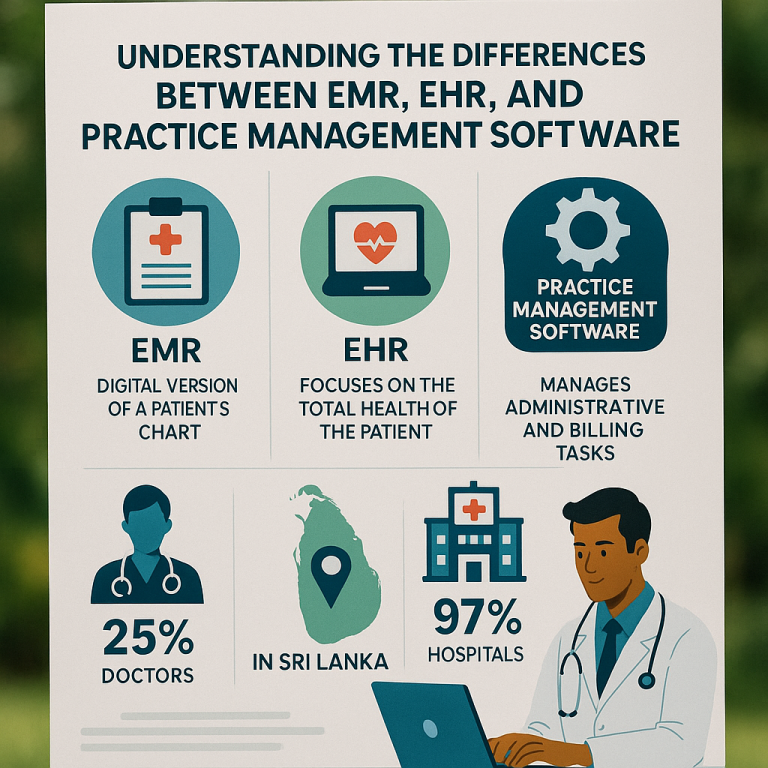
Importantly, the digital transformation in Sri Lanka’s healthcare sector is supported by the Ministry of Health and initiatives encouraging the digitisation of health records. Electronic Medical Records (EMR) and Electronic Health Records (EHR) play a critical role in this transition, allowing for streamlined patient data management. In light of this, DocPP emerges as a relevant tool that provides functionalities for maintaining digital patient records, which can be accessed easily by healthcare professionals at a moment’s notice, thereby improving the quality of care delivered.
Appointment scheduling is another essential aspect that can directly impact a clinic’s efficiency. Sri Lankan medical practitioners often face challenges with patient flow and managing booking systems manually. Clinic management software like DocPP simplifies this process, enabling patients to schedule appointments online. Not only does this improve convenience for patients, but it also enhances the operational management for clinics, allowing practitioners to allocate time effectively and minimise waiting times—a significant consideration in patient satisfaction.
In addition to records and scheduling, digital prescriptions have transformed the way doctors interact with patients. This feature allows for quick, error-free prescribing and facilitates easier communication between physicians and pharmacies. In Sri Lanka, where a rise in dispensaries and pharmacies has occurred, the ability to send prescriptions electronically is a significant advantage, aligning with the movement towards a more modernised health system.
Billing and insurance management processes can also be cumbersome without effective software in place. The integration of financial management features within systems such as DocPP assists healthcare providers in maintaining accurate billing, including insurance claims, without overwhelming support staff. This ensures that administrative errors are minimised and that revenue cycles are improved, allowing clinics to focus more on patient care.
With the introduction of telemedicine services, especially accentuated by the COVID-19 pandemic, the necessity for robust clinical documentation has never been more critical. Telemedicine platforms integrated within clinic management solutions enable healthcare providers to connect with patients remotely, maintaining healthcare continuity even during restrictive times. The ability to document virtual consultations seamlessly is a vital feature for ensuring comprehensive patient records.
Follow-up management is another functionality supported by effective clinic management software. Regular follow-ups ensure chronic conditions are monitored, and patients receive ongoing care—an aspect particularly relevant for Sri Lankan healthcare professionals who aim to establish long-term relationships with patients. Tools that aid in scheduling follow-ups and sending reminders can greatly enhance patient adherence to treatment protocols.
Healthcare analytics is a growing domain that cannot be overlooked as it provides valuable insights into practice performance, patient demographics, and operational efficiency. Accessing and analysing data through clinic management software can empower healthcare providers to make informed decisions, leading to improved clinical outcomes and enhanced service delivery.
In a country like Sri Lanka, where challenges in healthcare delivery persist, leveraging a versatile clinic management system such as DocPP aligns with the broader movement towards healthcare digitisation. By adopting such technologies, healthcare practitioners can significantly improve their workflows, enhance patient management, and ultimately contribute to a more effective healthcare system that benefits both providers and patients alike. As the sector continues to advance, the role of tailored software solutions in streamlining operations cannot be underestimated.
Key Features of Effective Clinic Management Software
Effective clinic management software is essential for healthcare providers in Sri Lanka as it streamlines operations, enhances patient care, and keeps pace with the ongoing digitisation of the healthcare sector. The adoption of such systems, including the DocPP Clinical Management System, reflects a significant shift towards automation and efficiency in managing various aspects of clinic operations.
One of the primary functionalities of effective clinic management software is the Electronic Medical Records (EMR) system. EMR allows Sri Lankan doctors to maintain comprehensive patient records digitally. These records can include medical histories, treatment plans, and diagnostic results, which can be accessed in real-time, facilitating better decision-making during consultations. Ensuring that patient records are up to date is crucial, particularly for specialists and general practitioners who see a diverse patient demographic.
Appointment scheduling is another critical feature that impacts clinic workflows directly. Traditional methods of scheduling appointments often lead to overbooked slots or missed follow-ups, creating unnecessary stress for healthcare providers and patients alike. An effective clinic management system automates this process, allowing patients to book appointments online, receive reminders via SMS or email, and make cancellations as necessary. This functionality not only improves patient satisfaction but also enhances the efficiency of clinic operations by significantly reducing no-show rates.
Digital prescriptions represent another pivotal aspect of clinic management software. By allowing healthcare providers to write prescriptions electronically, the risk of medication errors is greatly reduced. Sri Lankan doctors can send prescriptions directly to pharmacies, ensuring that patients receive the correct medications promptly. Furthermore, digital prescriptions are easy to manage, track, and update, making follow-up consultations smoother and more informative for both the patient and the healthcare provider.
Billing and insurance management features are indispensable for private clinics and healthcare organisations striving for operational efficiency. In Sri Lanka, where various insurance plans and patient payment methods coexist, integrating these aspects into one system simplifies financial management. An effective clinic management system can automate billing processes, track payments, and facilitate communication with insurance providers, thereby streamlining the revenue cycle for healthcare facilities.
Telemedicine has gained traction in the post-pandemic era, and its integration into clinic management software is increasingly crucial. For specialists and GPs alike, having a feature for telemedicine consultations eases access for patients, particularly those in rural or underserved areas of Sri Lanka. This capability allows healthcare providers to conduct virtual consultations, follow-up visits, and remote monitoring of patients’ health conditions, all while maintaining thorough clinical documentation that is synchronized with the patient’s medical records.
Clinics can also benefit from healthcare analytics provided by effective software solutions. By leveraging data analytics, administrators can assess clinic performance, identify trends in patient care, and optimise resource allocation. For instance, understanding peak patient visit times can help in staffing decisions, ensuring that clinics are adequately staffed during busy hours.
Effective clinic management software also aids in follow-up management, ensuring that patients receive necessary care and reminders for re-evaluations or additional treatments. This is particularly crucial for managing chronic conditions or post-operative care, where proper follow-ups can significantly impact patient outcomes.
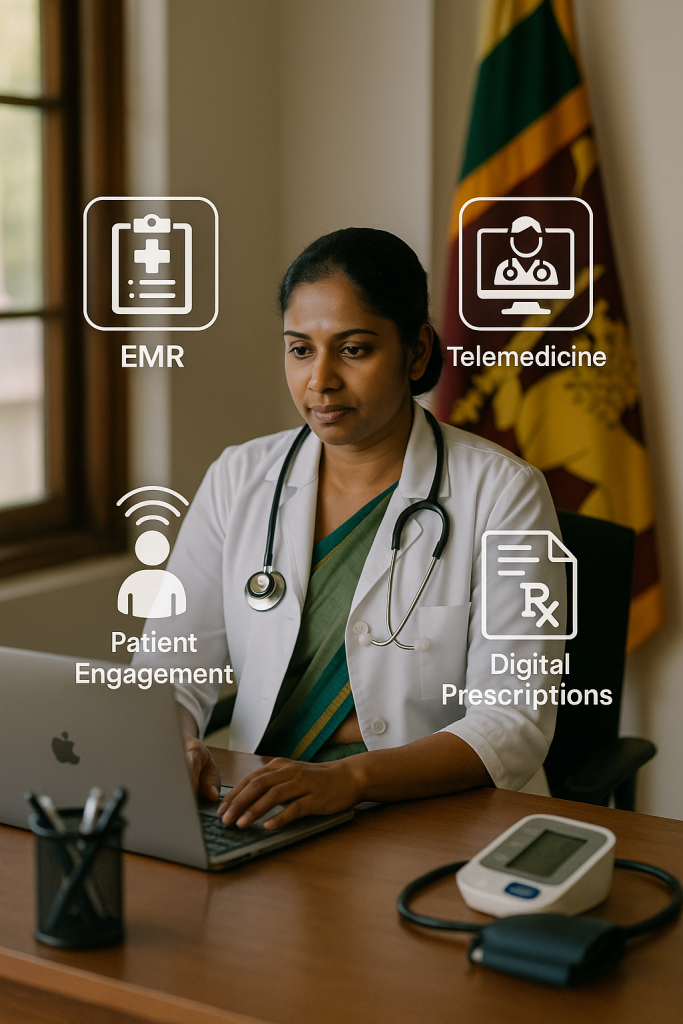
In summary, the key features of effective clinic management software encompass a blend of technologies that can transform how healthcare providers in Sri Lanka operate. By streamlining EMR and EHR functionalities, enhancing appointment scheduling, facilitating digital prescriptions, ensuring efficient billing, enabling telemedicine services, and providing valuable healthcare analytics, software solutions like DocPP align with the needs of Sri Lankan doctors and healthcare organisations. As the healthcare landscape continues to digitise, integrating such technologies will not only enhance operational efficiency but also significantly improve patient care outcomes.
The Role of Telemedicine in Clinic Management
The role of telemedicine within the framework of clinic management is becoming increasingly significant, particularly in a rapidly digitising healthcare landscape like Sri Lanka. As healthcare providers face challenges ranging from patient accessibility to efficient management of clinic operations, the integration of telemedicine into clinical workflows presents a compelling solution.
Telemedicine, defined as the remote diagnosis and treatment of patients through telecommunications technology, offers Sri Lankan doctors an innovative avenue to extend their reach beyond traditional consultation settings. For instance, general practitioners (GPs) and specialists can utilise telemedicine to maintain continuity of care for patients who may not be able to physically attend appointments due to transportation limitations or other barriers. With the Ministry of Health Sri Lanka endorsing digital healthcare initiatives, practitioners are encouraged to embrace these new modalities as part of their clinical practice.
Incorporating telemedicine into clinic management systems allows for seamless interaction between healthcare professionals and patients. A well-designed Clinical Management System, like DocPP, provides tools for teleconsultations that integrate with electronic medical records (EMR) and electronic health records (EHR). This integration ensures that patient records are updated in real-time, allowing doctors to access comprehensive and up-to-date information while conducting online consultations. This aligns with the need for effective patient management and clinical documentation in a busy practice.
Moreover, telemedicine offers solutions for appointment scheduling. Patients can easily book online consultations at their convenience, which enhances patient engagement and satisfaction. The automatic reminders and follow-up management features can reduce no-show rates and improve overall clinic efficiency by creating a structured patient flow. This is particularly beneficial for private practices and channeling centres in Sri Lanka, where patient load can fluctuate widely.
Billing and payment processes are also streamlined through telemedicine platforms. With digital prescriptions, healthcare providers can ensure a smoother experience for patients needing medication, allowing them to receive prescriptions electronically, which can be sent directly to pharmacies. This digitisation not only enhances operational efficiency but also reduces the risk of errors associated with handwritten prescriptions, a significant issue in clinical practice.
As healthcare analytics become more vital in decision-making, telemedicine can provide valuable insights for doctors and clinic managers. By monitoring teleconsultation metrics, practitioners can gauge patient satisfaction, identify common health issues, and evaluate the impact of remote consultations on patient outcomes. This data-driven approach facilitates better practice management and enables healthcare organisations to align with the evolving needs of their patient populations.
Ultimately, as more healthcare providers in Sri Lanka adopt telemedicine, it is crucial that they consider the broader implications on clinic operations. Telemedicine should not merely be an adjunct to traditional services but rather an integral component of healthcare delivery. This requires a well-coordinated effort to ensure that all elements – from EMR systems to billing and analytics – are optimised for digital health.
In summary, telemedicine represents a transformative force in clinic management, particularly in the context of Sri Lankan healthcare. By adopting these technologies thoughtfully, healthcare providers can enhance patient care, streamline operations, and position themselves favourably within an increasingly competitive landscape.
Optimising Clinical Workflow with Digital Tools
In an era where healthcare digitisation is increasingly becoming a priority in Sri Lanka, the implementation of clinical management software has emerged as a vital element for enhancing operational efficiency within healthcare facilities. One prominent solution tailored for Sri Lankan healthcare providers is the DocPP Clinical Management System, which seamlessly aligns with the unique workflows and requirements of the country’s medical professionals, including doctors in private practices, specialists, and healthcare organisations.
At the heart of optimising clinical workflows is the integration of Electronic Medical Records (EMR) and Electronic Health Records (EHR). These digital patient records facilitate swift and secure access to vital patient information, which is crucial for effective clinical decision-making. For instance, a general practitioner at a clinic in Colombo can quickly review a patient’s history and treatment plan, which enhances the consultative process and reduces wait times for patients. By digitising these records, healthcare providers can also ensure their compliance with regulations set forth by entities such as the Sri Lanka Medical Council.
Appointment scheduling is another crucial feature where clinic management systems, like DocPP, play a transformative role. In a busy private clinic, managing appointments manually can lead to scheduling conflicts and missed consultations. Automated appointment booking systems not only reduce these errors but also give patients flexibility, which is particularly important as Sri Lankans increasingly seek convenient healthcare options. This improvement in patient management ultimately translates to enhanced patient satisfaction and retention.
Digital prescriptions represent another revolutionary change, simplifying how doctors in Sri Lanka interact with pharmaceuticals. Instead of handwriting prescriptions—which can be misinterpreted—healthcare providers can generate digital prescriptions that are directly linked to a patient’s EHR. This not only improves the accuracy of medication instructions but also allows pharmacists to access essential details regarding patient allergies and previous medications, fostering a safer prescribing environment.
Financial management within clinics, including billing and invoicing, is also streamlined with systems like DocPP. Sri Lankan healthcare providers can automate billing processes, reducing administrative overheads and minimising billing errors. The integration of billing software with clinical documentation ensures that every service rendered is accurately charged, promoting financial sustainability for private practices and healthcare centres.
Furthermore, the significance of telemedicine has been recognised widely in Sri Lanka’s healthcare landscape, especially after the COVID-19 pandemic. The integration of telemedicine capabilities in clinical management systems allows doctors to conduct remote consultations, ensuring continuity of care even when in-person visits are not feasible. This is particularly vital for specialists who may have patients residing in distant areas or for those unable to travel due to health constraints.
Follow-up management is another critical area where digitised systems can create positive impacts. With automated reminders and tracking features, healthcare providers can ensure patients adhere to their scheduled appointments or follow-up diagnostics. This proactive approach not only improves health outcomes but also fosters a sense of accountability among patients towards their treatment plans.
As healthcare analytics become increasingly crucial for enhancing service delivery, a robust clinical management system must offer insights into patient demographics, clinical outcomes, and service efficiency. By leveraging data analytics, healthcare providers can identify trends, forecast staffing needs, and tailor their services to meet the evolving demands of their patients. For instance, a medical centre in Kandy can utilise analytics to understand common ailments within the population, thus optimising resource allocation and improving patient outcomes.
In conclusion, the role of clinical management software in Sri Lanka remains pivotal to ensuring a streamlined and efficient healthcare delivery system. By addressing the unique challenges faced by healthcare providers, solutions like DocPP facilitate better patient management, enhance operational efficiency, and contribute significantly to the ongoing digitisation efforts within the Sri Lankan healthcare sector.
Patient Engagement and Healthcare Analytics
Patient engagement and healthcare analytics have emerged as critical components in the evolution of clinical management systems, particularly within the context of Sri Lanka’s healthcare landscape. With increasing emphasis on patient-centred care, healthcare providers must leverage technology to enhance patient interactions while also harnessing data insights to optimise operational efficiency and improve health outcomes.
In Sri Lanka, where the healthcare ecosystem includes a wide range of private clinics, medical centres, specialists, and general practitioners, it is imperative for healthcare organisations to adopt systems that facilitate effective patient engagement. One such approach is through the use of Electronic Medical Records (EMRs) and Electronic Health Records (EHRs). These digital systems not only streamline the process of maintaining patient records but also enhance communication between healthcare providers and patients. For instance, when a patient visits a private clinic for a consultation, their medical history, treatment plans, and medications should be readily accessible. This is where a clinical management system such as DocPP plays a role, allowing for organised access to patient information, which in turn supports informed decision-making and personalised patient care.
Furthermore, appointment scheduling is a critical aspect of patient management that benefits from the integration of clinical management software. Automated appointment reminders through SMS or email can significantly reduce no-show rates, allowing healthcare providers to manage their schedules more efficiently. This capability not only maximises clinic operations but also enhances the patient experience, as patients are less likely to miss important visits. For Sri Lankan doctors, a well-implemented appointment scheduling system means they can focus more on patient care rather than administrative duties.
In addition to patient engagement tools, healthcare analytics acts as a powerful ally in identifying trends and improving the quality of care offered. By analysing patient records, healthcare providers can gain insights into treatment outcomes, patient demographics, and overall clinic performance. For instance, tracking patient follow-up visits can reveal patterns in effectiveness of treatments and help with the proactive management of chronic diseases prevalent in Sri Lanka, such as diabetes or hypertension. Aggregating data from various sources within a clinical management system can lead to valuable insights that not only inform clinical decisions but also contribute to broader public health initiatives.
Digital prescriptions are another aspect of patient engagement that supports healthcare quality. In the Sri Lankan context, this means that doctors can prescribe medications electronically, reducing the chances of errors related to illegible handwriting. Patients receive their prescriptions in a format that is easily understood by pharmacies, improving medication adherence. Moreover, this practice contributes to better tracking and management of prescriptions, thus enabling healthcare providers to identify potential misuse and improving overall medication safety.
Telemedicine has become an essential feature in modern healthcare, particularly in light of the COVID-19 pandemic. In Sri Lanka, clinics can utilise telemedicine platforms to provide virtual consultations, thereby extending care to patients who may face geographical or mobility barriers. Through effective patient engagement strategies integrated within a clinical management system, healthcare providers can maintain regular communication with patients, ensuring they receive continuous support and guidance.
However, it is vital for healthcare providers to not only focus on patient engagement but also consider the aspects of compliance and data security in healthcare software. With the rising concerns associated with data breaches, clinics must ensure that their clinical management solutions comply with regulations set forth by the Ministry of Health Sri Lanka and the Sri Lanka Medical Council. By implementing security measures such as encryption and secure login protocols, healthcare providers can protect sensitive patient information while maintaining trust with their patient community.
Overall, by harnessing patient engagement and healthcare analytics effectively, healthcare organisations in Sri Lanka can not only improve patient outcomes but also streamline their clinical workflows. The integration of tools that promote better engagement and data insights is essential for contemporary healthcare practices, allowing doctors to deliver quality care while adapting to the fast-changing healthcare environment. Ultimately, a focus on these aspects can help bolster the ongoing journey toward healthcare digitisation in Sri Lanka, fostering improvements in both patient and provider experiences across the board.
Compliance and Data Security in Healthcare Software
In the realm of healthcare software, particularly regarding clinic management systems such as DocPP, compliance and data security are vital components that significantly impact the efficiency and integrity of healthcare delivery in Sri Lanka. As healthcare providers increasingly turn to digital solutions for managing patient data, ensuring compliance with regulatory standards and safeguarding sensitive information is paramount.
The Sri Lankan healthcare landscape is governed by compliance frameworks set by entities like the Ministry of Health and the Sri Lanka Medical Council. These institutions mandate adherence to stringent data protection laws, aimed at enhancing patient confidentiality and the secure handling of medical records. Adopting a robust clinical management system—such as DocPP—can facilitate this compliance by providing integrated features that adhere to local regulations regarding Electronic Medical Records (EMR) and Electronic Health Records (EHR).
Data security practices within a clinical management software framework should encompass multiple layers. For instance, encryption protocols can safeguard patient records from unauthorized access, while secure authentication methods ensure that only authorized professionals can access sensitive patient information. Such measures are critical in a landscape where private clinics and healthcare organizations handle a myriad of confidential data, including medical histories, billing information, and digital prescriptions.
Moreover, the ability to manage appointment scheduling and follow-up management digitally can also introduce vulnerabilities if not properly secured. As Sri Lankan doctors, clinics, and specialists leverage software for telemedicine services and clinical documentation, they must ensure that patient interactions and data transactions are not only efficient but also secure. Implementing role-based access controls allows staff members to perform their functions without exposing unauthorized personnel to sensitive information.
Healthcare analytics also plays a significant role in compliance and data security. By using analytical tools to monitor access patterns and detect anomalies in how information is accessed and used, organizations can proactively identify potential security threats. This is particularly relevant in the context of Sri Lankan private practices, allowing administrators to create tailored security strategies suited to their particular workflows.
Well-defined processes for data retention and disposal further enhance compliance. Healthcare providers in Sri Lanka must establish clear protocols for how long patient records are stored as well as secure methods for their eventual destruction, thus mitigating risks associated with data leaks. A comprehensive data management approach through a clinical management system can automate these processes, providing peace of mind while ensuring adherence to local regulations.
Finally, ensuring that healthcare staff are well-informed about data security practices amplifies compliance efforts. Regular training sessions on how to handle sensitive information, understand privacy policies, and recognize phishing attempts can significantly enhance the overall security culture within a healthcare organization.
Ultimately, integrating stringent compliance and data security measures is not just about meeting regulatory requirements; it is about fostering trust with patients. A reliable clinical management system supports Sri Lankan healthcare providers in this mission, facilitating seamless operations while safeguarding the integrity of patient data. Through careful consideration of these aspects, healthcare organizations can develop a more resilient practice management framework that accommodates both operational needs and regulatory obligations.
DocPP: Tailored Solutions for Sri Lankan Medical Professionals
In the context of Sri Lanka’s evolving healthcare landscape, the adoption of a robust Clinical Management System is essential for streamlining various operational aspects within medical practices. Among the options available, DocPP stands out as a software specifically designed to meet the needs of Sri Lankan doctors and healthcare providers, encompassing private clinics, specialists, and medical centres. By integrating comprehensive functionalities tailored to local workflows, DocPP can significantly enhance the efficiency of healthcare delivery in the country.
A vital component of DocPP is its Electronic Medical Records (EMR) and Electronic Health Records (EHR) capabilities. In Sri Lanka, where maintaining accurate patient records can often be a challenge, a digital solution enables healthcare professionals to efficiently manage and access patient histories, treatment plans, and medical notes. This is particularly crucial for specialists and general practitioners who rely on comprehensive patient information to make informed treatment decisions. For instance, a GP could quickly refer to a patient’s previous consultations and laboratory results through the DocPP platform, ensuring continuity of care.
Appointment scheduling is another significant aspect where DocPP provides targeted solutions. Given the busy nature of healthcare facilities in Sri Lanka, whether in urban centres or more rural areas, managing patient appointments can become complex. DocPP’s integrated scheduling feature allows practices to not only manage incoming appointments but also send automated reminders to patients. This reduces no-show rates and optimises clinic operations, ultimately leading to improved patient satisfaction.
Digital prescriptions offered by DocPP simplify the process of medication management. Doctors can generate and send prescriptions directly to pharmacies or to patients via the platform, ensuring accuracy and reducing the risk of medication errors. This is particularly relevant in the context of multidisciplinary healthcare environments where communication across specialties is vital. For instance, a consultant could send a prescription for a patient’s follow-up care directly to the family GP, ensuring that all parties involved are informed and aligned.
Billing and revenue cycle management are also integrated within DocPP, which makes financial administration more streamlined for healthcare providers. As private healthcare providers in Sri Lanka navigate complex reimbursement systems and payment types, a clear, concise billing platform can help avoid common pitfalls related to insurance claims and out-of-pocket payments. DocPP facilitates transparent billing processes where patients can view their treatment costs, thereby fostering trust and clarity between patients and providers.
Moreover, the telemedicine features within DocPP allow healthcare providers to offer remote consultations, an aspect that gained significant traction during recent health crises. By making it easy for doctors to consult with patients via video calls or messaging, DocPP contributes to widening access to care, especially for patients in remote or underserved areas. Such initiatives align with the broader goal of healthcare digitisation projects spearheaded by the Ministry of Health Sri Lanka, aimed at improving healthcare accessibility across the nation.
Clinical documentation made simple through DocPP assures that all interactions, treatment plans, and follow-up notes are comprehensively recorded. This digital approach minimizes the chances of documentation errors that are inherent in traditional paper-based systems. As practitioners focus on their patients, the effort saved by using a Clinical Management System allows for more time dedicated to patient care rather than administrative tasks.
Finally, healthcare analytics provided by DocPP can help medical professionals glean insights into practice patterns and patient outcomes. This feature enables doctors to identify trends, which can inform better clinical decision-making and improved patient management strategies. For example, a clinic may track which treatments are most effective for specific demographics and adjust approaches accordingly, thereby enhancing the overall quality of care delivered.
In conclusion, by employing a Clinical Management System like DocPP, healthcare professionals in Sri Lanka can significantly enhance their practice management, from patient intake to billing and follow-up care. As the healthcare sector continues to advance towards digitisation, tailored software solutions will be pivotal in ensuring healthcare providers can deliver efficient and high-quality care.
Conclusions
Selecting the right clinic management software is vital for Sri Lankan healthcare providers aiming to improve operational efficiency and patient care. Solutions like DocPP provide tailored functionalities that address the specific needs of local clinics and medical practitioners, supporting both healthcare digitisation and enhanced patient management strategies.